
The place is a garden with a grudge in it. 五公祠 Wǔgōng Cí, the Temple of the Five Lords, stands in 琼山区 Qióngshān Qū in the south of 海口市 Hǎikǒu Shì, on a low rise above a pond, and it is a memorial to five officials of the Tang and Song dynasties who were exiled to Hainan. Exile here was the end of a career and, in most cases, the end of a life: the island was the furthest place a Chinese state could send someone it wanted gone, across a strait that killed a good number of the people who attempted it. The temple does not pretend otherwise, and that is what gives a pleasant walled garden a certain weight. You are standing in a place built by later generations to say that the men sent away were right and the court that sent them was wrong.
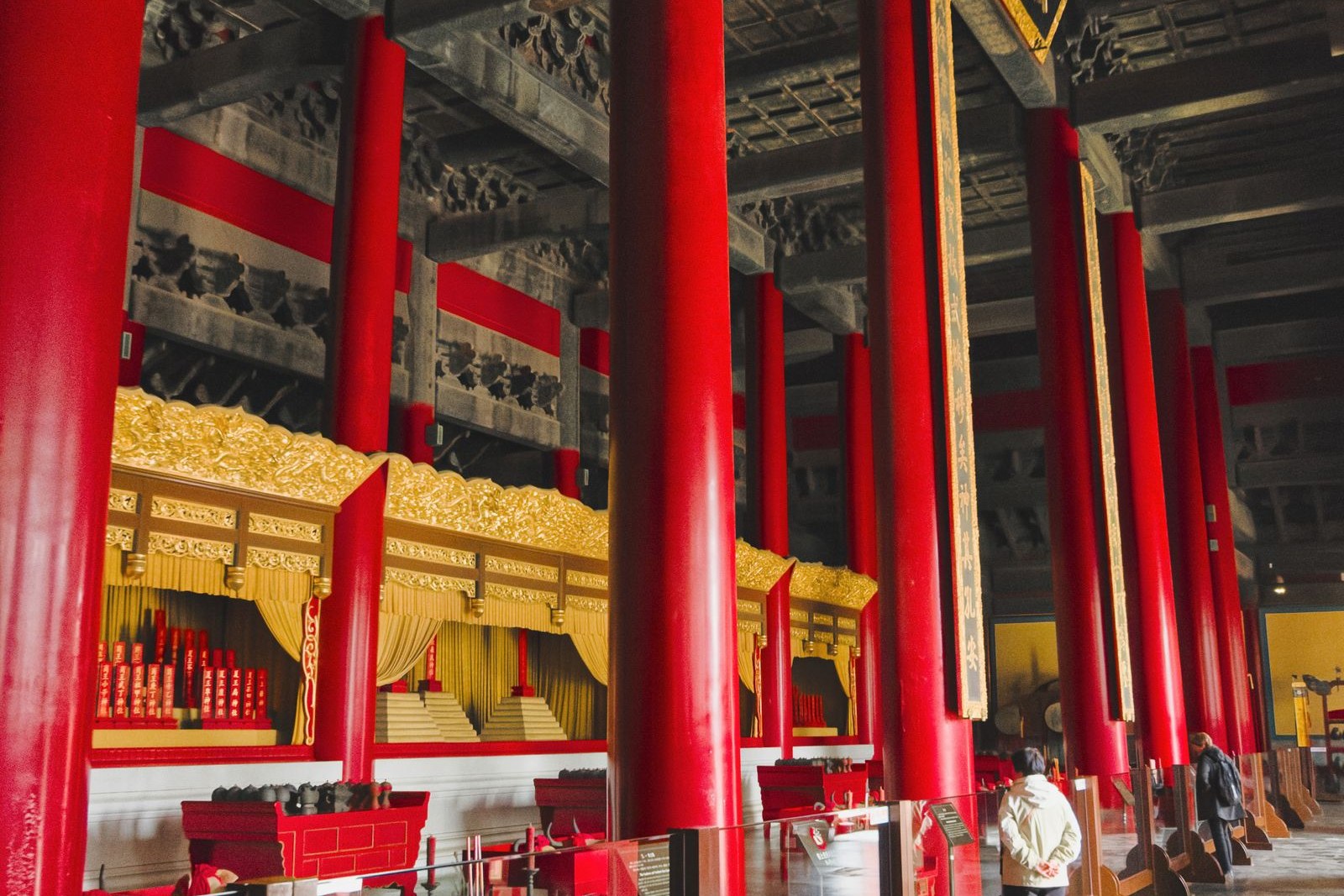
The five are 李德裕 Lǐ Déyù, a Tang chancellor exiled in the ninth century, and four Song officials: 李纲 Lǐ Gāng, 赵鼎 Zhào Dǐng, 李光 Lǐ Guāng and 胡铨 Hú Quán, all of whom ran foul of the Song court at different points in the twelfth century and were sent across the water. The buildings are not the ones they lived in. The complex was assembled on this site from the Ming dynasty onward, and the structure you walk into now is mostly late Qing, rebuilt in 1889, with the halls added to and repaired so many times since that their dates are a matter of layers rather than a single year. This is normal in China and worth saying plainly: the interest here is not the age of the timber but the fact that a place has been maintained for this purpose continuously for so long.
What You Actually See
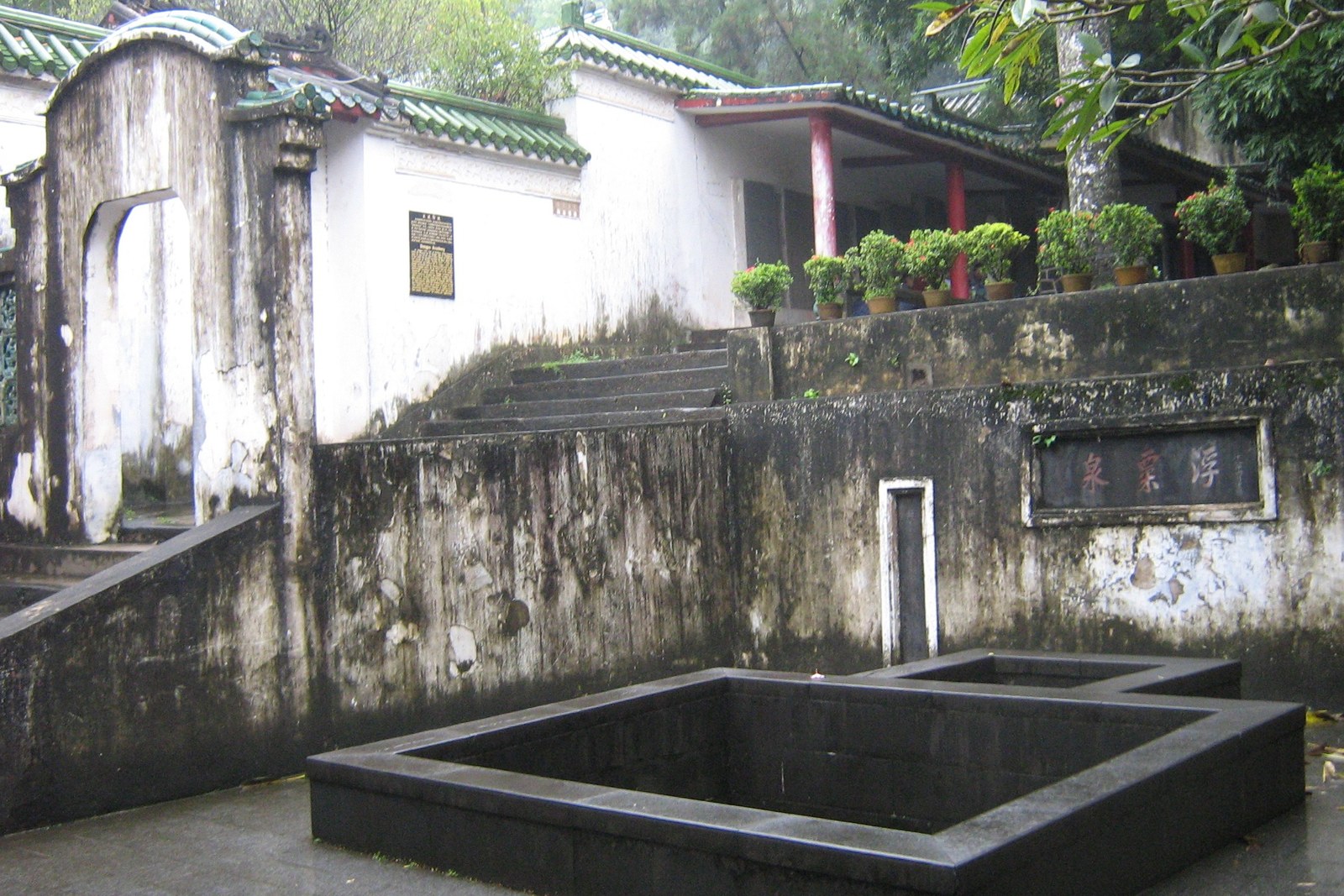
The main hall, known as 海南第一楼 Hǎinán Dì Yī Lóu, Hainan’s First Building, is a two-storey timber structure with a deep eaves line and a set of inscriptions inside. Behind and beside it stand 苏公祠 Sūgōng Cí, the shrine to 苏轼 Sū Shì, the poet Su Shi, who was exiled here in 1097 and who is remembered with more affection than the five because he spent his time teaching; 浮粟泉 Fúsù Quán, a spring attributed to Su Shi’s own digging; 观稼堂 Guānjià Táng and 学圃堂 Xuépǔ Táng, halls built for study and for looking at the fields; and a garden of steles carved with calligraphy. The complex is small enough to walk in an hour and dense enough that an hour is not enough, and it is usually quiet, which is the reason to come on a weekday.
Practicalities
Tickets. Admission to the whole complex is around ¥20 to ¥30, with the usual reductions for students, children and the elderly on production of ID. The price is set locally and has moved over the years, so check at the gate rather than trusting a guidebook. There is nothing else to pay for inside.
Opening hours. The garden opens at around 08:00 and closes at 17:30, with last admission somewhat earlier. Daylight is the relevant window in any case, since almost everything worth looking at is outdoors and the steles are easier to read in the morning than in the flat glare of the afternoon.
Closing day. There is no closing day and the complex is open every day of the year, though parts of the garden are occasionally shut for maintenance and the site is extremely busy during the 春节 Chūnjié holiday, when it fills with local families rather than with tour groups.
Getting there. The temple is on 海府路 Hǎifǔ Lù in 琼山区 Qióngshān Qū, about four kilometres south of the city centre and reachable by city bus or by a short taxi ride from most central hotels. 海口东站 Hǎikǒu Dōng Zhàn, the high-speed rail station, is a few kilometres further southeast and can be combined with a visit. There is parking on the site but it is small, and the street fills on holidays.
flowcloud would say that Wugong Temple is a memorial to people who lost the argument in their own lifetimes and were then, slowly and posthumously, made the point, which is a kind of verdict that only gardens are patient enough to deliver.
Getting there: on a weekday morning if you can manage it, with the 苏公祠 Sūgōng Cí and the 浮粟泉 Fúsù Quán before the main hall, since Su Shi’s shrine is smaller and easier to appreciate before the steles have tired your eyes. Read the inscriptions slowly, walk the pond edge at the end rather than the beginning, and allow an hour and a half rather than the twenty minutes a tour bus will give it.