
梧桐山 Wútóng Shān is the highest thing in Shenzhen, and the fact that it exists at all is the surprise. The city is read, correctly, as a place of towers and container ports, but the eastern third of it is mountain: 大梧桐 Dà Wútóng tops out at 943.7 metres, 小梧桐 Xiǎo Wútóng at 692, and between and around them is a protected area of some thirty square kilometres running down to the reservoirs and the coast at 沙头角 Shātóu Jiǎo. On a clear winter day you can stand at the summit cairn and see the whole of 深圳湾 Shēnzhèn Wān to the west, the 大鹏湾 Dàpéng Wān to the east, and the hills of 新界 Xīnjiè filling the southern horizon. On an average day you see cloud, because the mountain makes its own weather and the cloud often sits at four hundred metres for most of the morning.
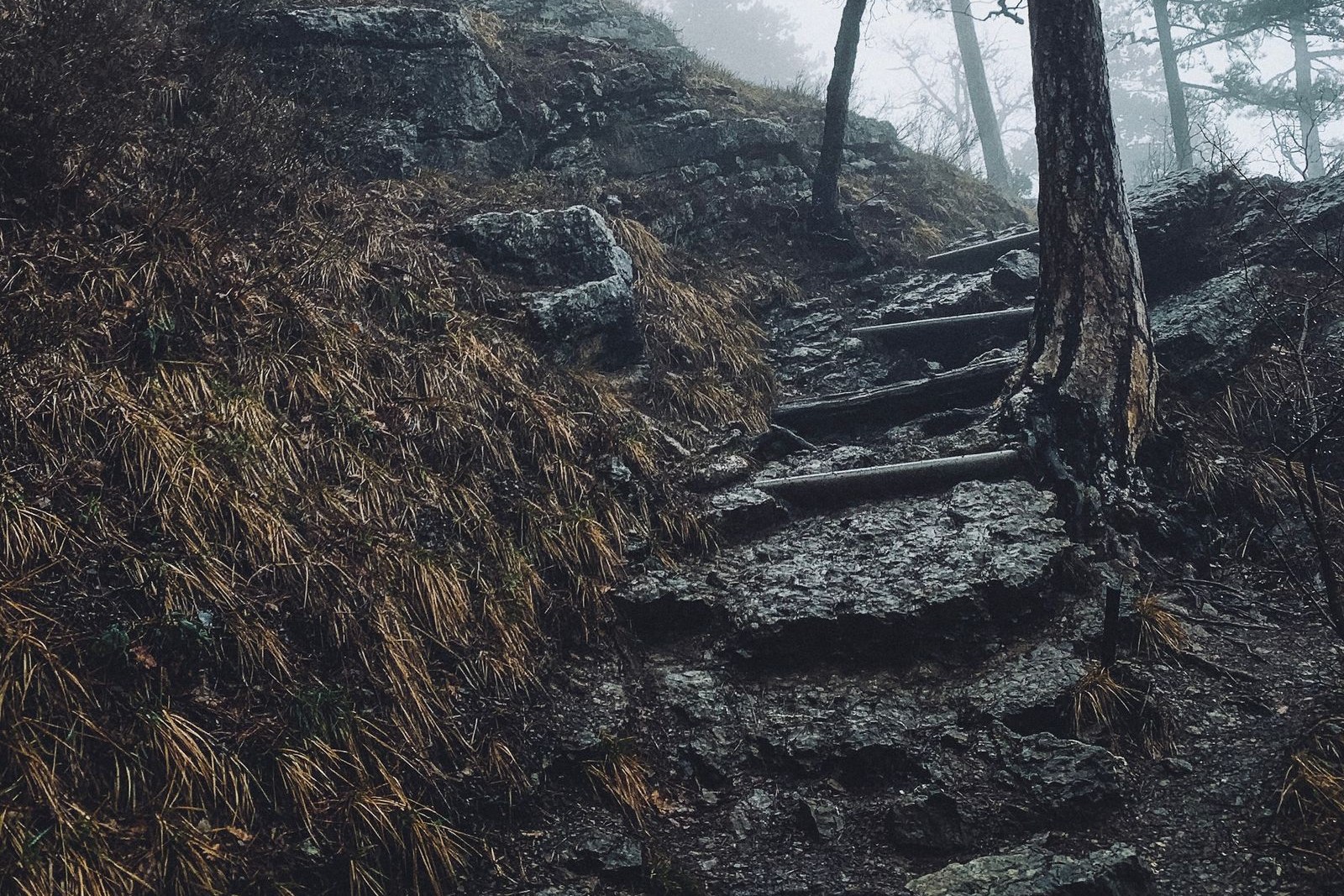
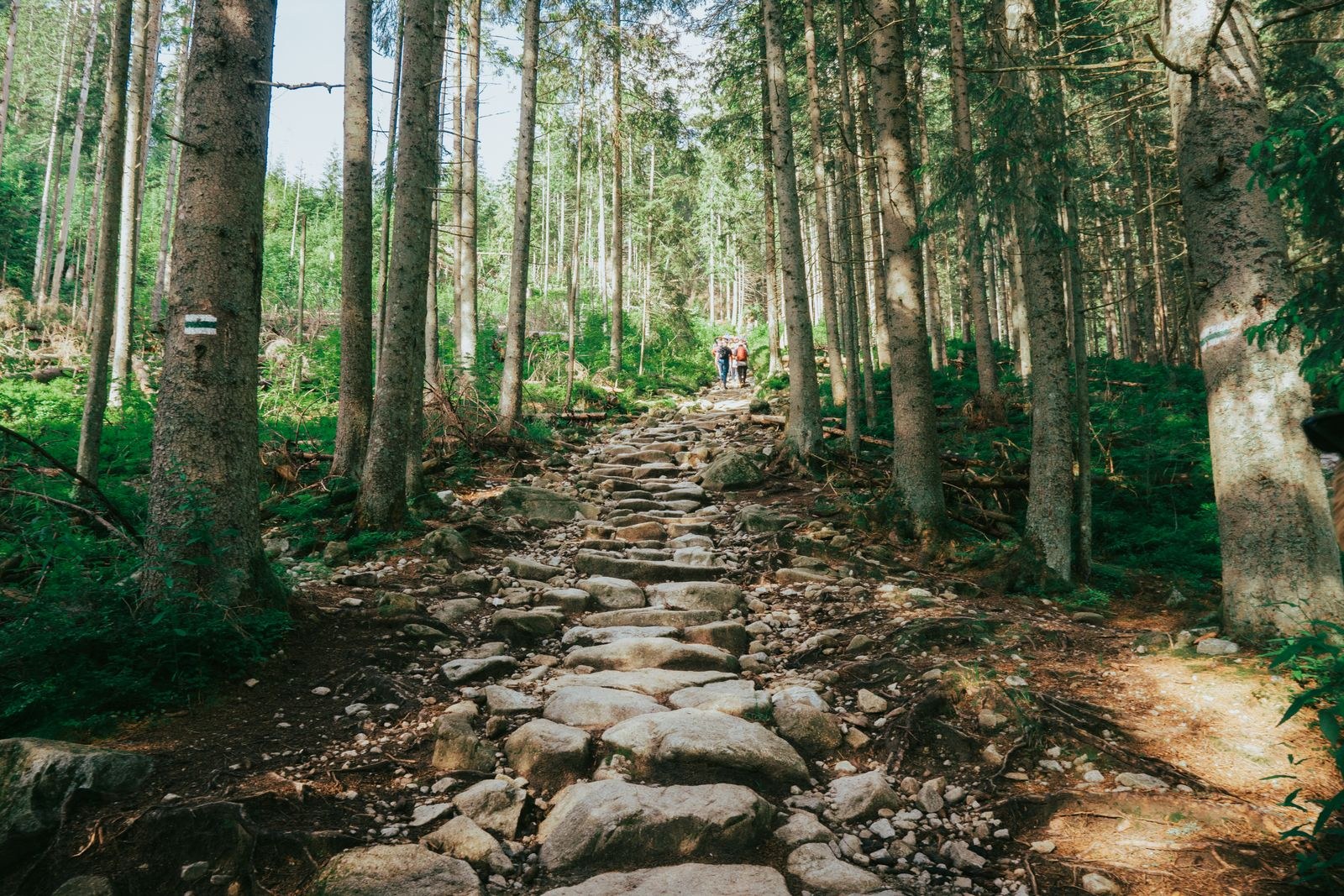
There are three classic ways up and they are genuinely different walks. 泰山涧 Tài Shān Jiàn follows the stream gully from the 横排岭 Héngpái Lǐng side, crossing and recrossing the water on stones, and it is the coolest route in summer and the slowest in every season. 凌云道 Líng Yún Dào is the direct line from 梧桐山村 Wútóng Shān Cūn, a stone stair that runs without mercy to the ridge, and the last section before the top is known as 好汉坡 Hǎo Hàn Pō, the slope of good fellows, on the principle that anyone who arrives at the top of it under their own power has earned the name. 碧桐道 Bì Tóng Dào is the gentlest and longest, approaching from the north through the plantation forest. Most people go up one and down another, and the total day is four to six hours with a serious amount of stone underfoot, which is why the paths are lined with the wreckage of running shoes that did not survive the descent.
The mountain’s other reputation is botanical and it has a season. 梧桐山 holds the largest wild population of 毛棉杜鹃 máo mián dù juān, Rhododendron moulmainense, anywhere in the world, and for about three weeks in March the middle slopes turn pink and white along what is called 十里杜鹃 shí lǐ dù juān, ten li of azalea, a band of flowering trees running along the ridge above 小梧桐. It is a genuine spectacle and it is also the busiest fortnight of the year, with the stair paths queuing like an escalator on the weekends. The 深圳梧桐山毛棉杜鹃花会 is held then, with shuttle buses from the foot of the mountain. Outside March the mountain is quiet, green and mostly given over to people doing their weekend training walk, which is the better way to see it anyway. Water from the streams is not drinkable and the 泰山涧 pools are not safe for swimming despite appearances; the rangers are serious about both.
Practicalities
Tickets. Free. There is no admission charge and no ticket office at any of the trailheads; the 梧桐山风景区 is a public scenic area. The only costs are transport and whatever you spend on water at the stalls by the village entrance.
Opening hours. The trails are open 06:00 to 19:00 in the main season and the gate staff will stop people going up after about 16:00, because a night descent on the stone stair is genuinely dangerous. In winter the closing time moves earlier, to roughly 18:00. Sunrise from the summit means starting in the dark and is only possible if you are inside the area before the gate closes the night before, which in practice means the 泰山涧 route, since that trailhead is not gated.
Closing day. There is no closing day; 梧桐山 opens every day of the year. The paths do close temporarily after typhoons, when there is a real risk of falling branches and landslides, and the notice is posted at the 梧桐山村 entrance and on the park’s own account rather than anywhere else.
Getting there. Metro Line 8 to 梧桐山南站 Wútóng Shān Nán Zhàn, then a short bus or taxi ride to the 梧桐山村 trailhead for 凌云道 and 碧桐道; for 泰山涧, take Line 2 or Line 8 to 莲塘 Liántáng and walk in from 横排岭. The 假日专线 M445 connects the main entrances at weekends. By car there is parking at 梧桐山村 but it fills by eight in the morning on a good day.
Words and Names
梧桐山 Wútóng Shān is the mountain, named for the 梧桐 or phoenix tree rather than for anything that grows there in quantity; 大梧桐 Dà Wútóng and 小梧桐 Xiǎo Wútóng are the two summits. 泰山涧 Tài Shān Jiàn is the stream ravine, 凌云道 Líng Yún Dào the steep stair and 碧桐道 Bì Tóng Dào the long approach; 好汉坡 Hǎo Hàn Pō is the punishing final slope before the ridge. 毛棉杜鹃 máo mián dù juān is the rhododendron the mountain is famous for, 十里杜鹃 shí lǐ dù juān the flowering band along the ridge, and 横排岭 Héngpái Lǐng the valley the stream route starts from.
Getting there: Metro Line 8 to 梧桐山南站 for the 梧桐山村 entrances, or Line 2 to 莲塘 for the 泰山涧 head; go up by 凌云道 and down by 碧桐道 if you want the summit without the descent on wet stone, carry at least two litres of water, and start before seven in the morning on any weekend in March.