
Xiangshan Fragrant Hills: The Smoke-Tree Red Leaves, Incense Burner Peak and Old Jingyi Garden of Haidian District, Beijing
十万黄栌烧十月,一峰香炉插秋云。Shí wàn huánglú shāo shíyuè, yī fēng xiānglú chā qiū yún – A hundred thousand smoke trees set October alight; one Incense Burner peak stabs the autumn cloud.
香山公园 Xiāngshān Gōngyuán Xiangshan, the Fragrant Hills Park, is not a city park with a viewpoint — it is, plainly put, the imperial hill where the Beijing plain ends and the Western Hills begin, a wooded park of temples, springs and one famous climb at the western rim of 海淀区 Hǎidiàn Qū Haidian District, Beijing. Its summit is 香炉峰 Xiānglú Fēng the Incense Burner Peak, a bare knuckle of rock a little under six hundred metres up, nicknamed 鬼见愁 Guǐjiànchóu — “even ghosts worry” — by the locals who climb it. Temples stood here from the Jin dynasty; in 1745 the 乾隆 Qiánlóng Qianlong emperor dressed the slopes as 静宜园 Jìngyí Yuán Jingyi Garden, one of the celebrated 三山五园 sān shān wǔ yuán “Three Hills and Five Gardens” that ring old Haidian, and the Anglo-French forces burned most of it in 1860. What survived has kept growing: the 碧云寺 Bìyún Sì Biyun Temple with its Vajrasana pagoda just outside the north gate, and the 双清别墅 Shuāngqīng Biéshù Shuangqing Villa where 毛泽东 Máo Zédōng Mao Zedong based the Party centre in the spring of 1949 before entering the city. What you actually visit is a climb — through tens of thousands of 黄栌 huánglú smoke trees that turn the slopes scarlet every late October, and up stone steps that earn every step of the name.
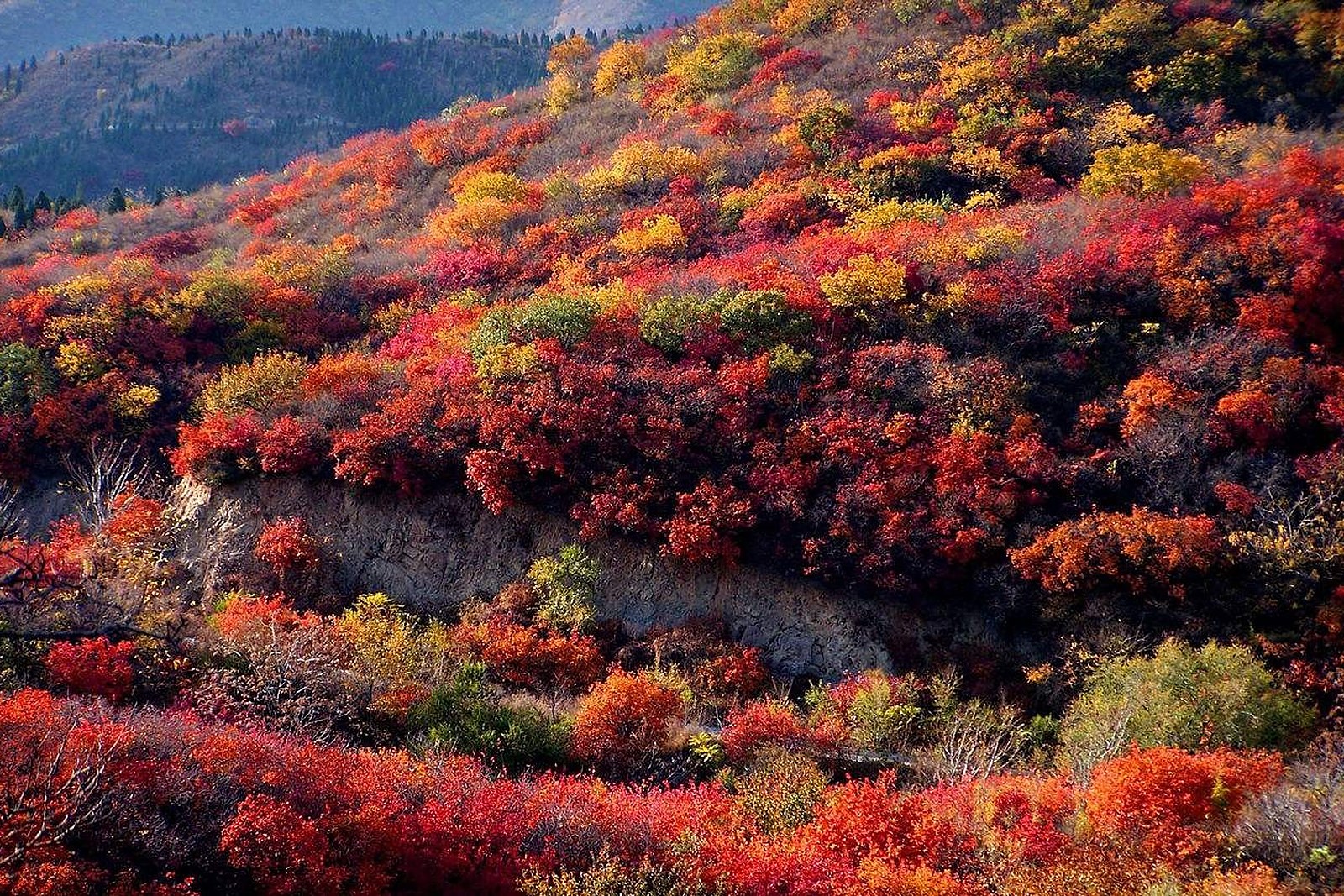
Call it honestly: a ticketed hill whose ticket buys a climb, not a view. Park entry is ticketed and the current rate is worth confirming the details before you go; the 碧云寺 Bìyún Sì Biyun Temple and the chairlift that lifts you toward the peak are charged separately (worth confirming the details), and the opening hours shift with the season and the light (worth confirming the details). The 红叶节 hóngyè jié Red Leaf Festival in late October and early November is the park at its most famous and its most crowded — on a fine weekend the queues begin at the gate, so the honest moves are a dawn entry, a weekday, or the quieter paths that wind up the southern slopes. The last stretch to 香炉峰 Xiānglú Fēng is stone steps all the way; the chairlift spares the knees, not the queue (worth confirming the details). Bring water in any season, keep to the paths, and remember that on a hazy day the summit rewards the exercise rather than the photograph.
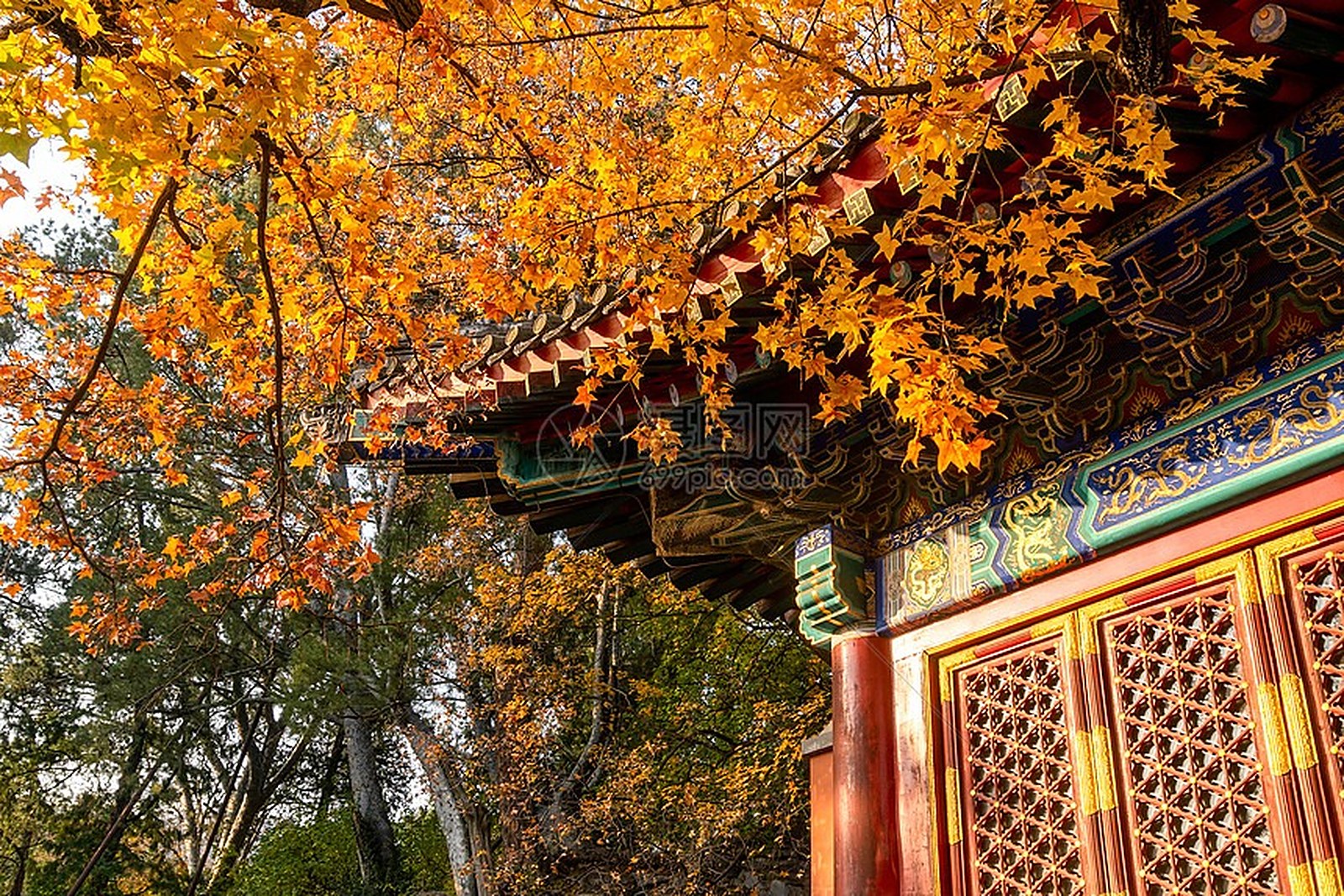
The honest star is the hillside, not the summit. A slow climb through the 红叶 hóngyè red leaves — past 眼镜湖 Yǎnjìng Hú the twin Glasses Lakes at the foot, up past the 昭庙 Zhào Miào Zhaomiao with its glazed-tile facade and 琉璃塔 liúlí tǎ glazed pagoda, and along the ridgeline paths where the smoke trees close overhead like red weather — repays the morning more than any single monument, because the colour itself is the exhibit: slope after slope of it, burning against the grey of the hills. What gets oversold is the summit photograph, a scrum of elbows on a small rock platform that the postcards sell as the reward but that any resident will tell you is the crowded half; what repays the effort is 双清别墅 Shuāngqīng Biéshù, the quiet 1949 courtyard with its pond and stone table, and 见心斋 Jiànxīn Zhāi, the little garden studio folded into the hillside. On a clear day the plain spreads east to 玉泉山 Yùquán Shān and the city beyond. Come for the layering of the place: tree, then temple, then ridge.
The self-aware postscript: I rode the chairlift up into cloud, saw a white wall, and walked down through the smoke trees as the sun burned through — two hours of red going gold — and realised the climb had been the view and the platform a parking spot. That is the visit in miniature. 香山公园 Xiāngshān Gōngyuán suits whoever treats it as a climb first and a photograph second — start at dawn, climb the slopes, let the summit be the punctuation — and exhausts whoever queues an hour for a rock and descends the way they came. Everything else on this Haidian list lies within a short ride: the temple valley of 北京植物园 Běijīng Zhíwùyuán next door to the east, the water-garden of 颐和园 Yíhéyuán a little further on, the ruins of 圆明园 Yuánmíngyuán to the north-east, and the cherry lakes of 玉渊潭公园 Yùyuāntán Gōngyuán to the south-east, all in the same 海淀区 Hǎidiàn Qū Haidian District the red leaves advertise every autumn.
Practicalities
- Rating: ★★★★☆ — the best close-in climb in the capital and the definitive red-leaf spectacle of late October; go at dawn on a weekday and the slopes stay yours.
- Tickets: Ticketed park entry, with the Biyun Temple and the chairlift charged separately (worth confirming the details for current rates, festival arrangements and seasonal hours).
- Address: 香山公园 Xiāngshān Gōngyuán Fragrant Hills Park, 海淀区 Hǎidiàn Qū Haidian District, Beijing — at the western edge of the district where the plain meets the Western Hills, below 碧云寺 Bìyún Sì Biyun Temple.
- Time needed: Three to four hours for the climb to the Incense Burner Peak and back by a different path; a full morning at red-leaf pace.
Words and Names
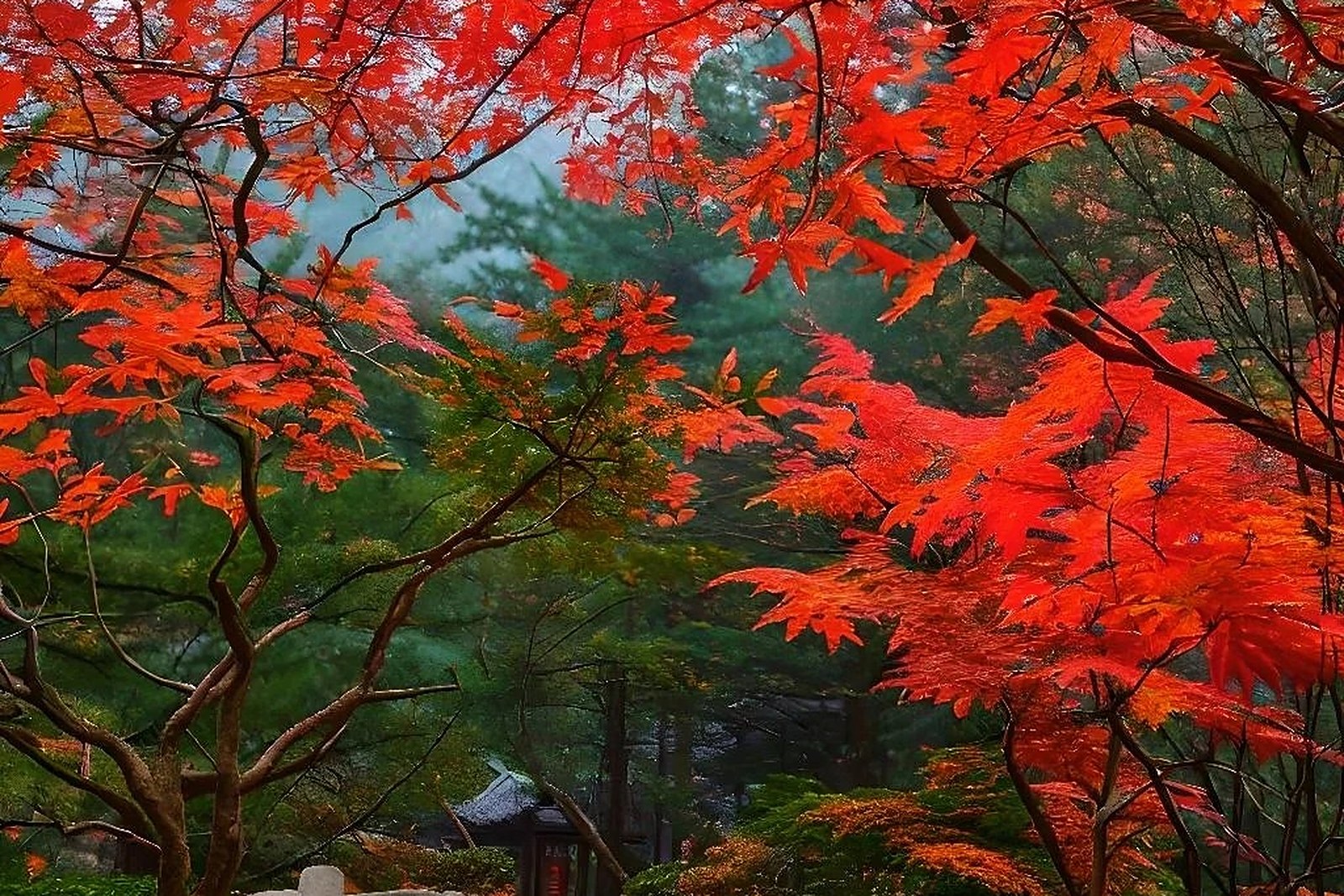
香山 Xiāngshān Fragrant Hills · the imperial hill at the western rim of Haidian 香炉峰 Xiānglú Fēng Incense Burner Peak · the summit nicknamed 鬼见愁 “even ghosts worry” 红叶 hóngyè red leaves · the autumn blaze that gives the park its season 黄栌 huánglú smoke tree · the species that turns the slopes scarlet 静宜园 Jìngyí Yuán Jingyi Garden · Qianlong’s imperial garden on the hill 碧云寺 Bìyún Sì Biyun Temple · the temple and Vajrasana pagoda by the north gate 双清别墅 Shuāngqīng Biéshù Shuangqing Villa · the 1949 courtyard residence of Mao Zedong 眼镜湖 Yǎnjìng Hú Glasses Lake · the twin pools at the foot of the climb
flowcloud would say that 香山公园 Xiāngshān Gōngyuán is Haidian’s autumn furnace — 静宜园 Jìngyí Yuán slopes of 黄栌 huánglú smoke trees burning scarlet each late October below 香炉峰 Xiānglú Fēng, with 碧云寺 Bìyún Sì and the 1949 courtyard of 双清别墅 Shuāngqīng Biéshù folded into the hill — and that the honest move is a dawn weekday climb through the 红叶 hóngyè rather than a summit sprint, because the entry ticket, the temple and the chairlift are all charged separately and the 红叶节 hóngyè jié crowds are legendary (worth confirming the details), the peak platform is the crowded half, and the hillside repays whoever climbs the slopes first and poses last while losing whoever queues an hour for one rock. All checked October 2026.
Getting there: Metro 西郊线 Xījiāo Xiàn Xijiao Line tourist tram to 香山 Xiāngshān Xiangshan, or several bus routes to 香山公园站 Xiāngshān Gōngyuán Zhàn Fragrant Hills Park stop; the hill park sits in west Haidian beside 北京植物园 Běijīng Zhíwùyuán the Beijing Botanical Garden and 玉泉山 Yùquán Shān Jade Spring Hill (worth confirming the details for the current red-leaf-season and cable-car hours). All checked October 2026.