
飞瀑藏深箐,红叶满寒山。Fēipù cáng shēn qìng, hóngyè mǎn hán shān – Waterfalls hide the deep ravine; red leaves fill the cold hills.
小草坝 Xiǎocǎobà Xiaocaoba is not a temple or a old town with a storyboard — it is, in the plainest sense, a wet forest scenic area and provincial reserve in 彝良县 Yíliáng Xiàn Yiliang County, threaded by a 瀑布群 pùbù qún waterfall group that tumbles through 原始森林 yuánshǐ sēnlín primeval forest, famous across 昭通 Zhāotōng as the hills where 天麻 Tiānmá gastrodia — a medicinal orchid, the prefecture’s prized tonic — is grown, and known in autumn for a 红叶 hóngyè red-leaf display that lights the gullies. What you are actually visiting is a green, cool, walkway-stitched woodland, not a heritage site: the “scenic area” is the water and the leaves, and the fame is as much in the medicine as in the view, because 小草坝天麻 Xiǎocǎobà Tiānmá is a name locals defend with real feeling.
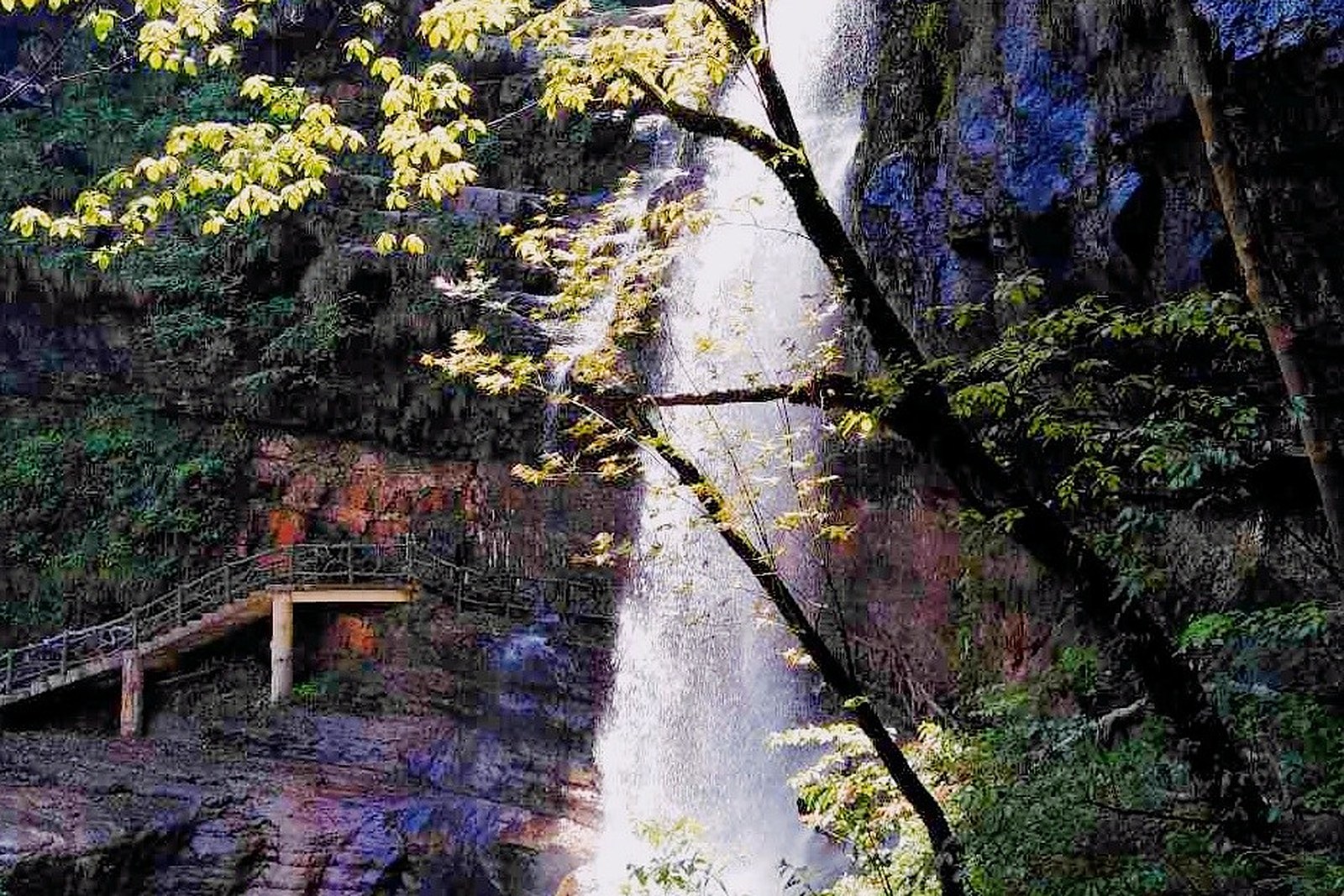
The honest grade is “a family-friendly forest walk with a famous local root,” and that is the fair read. The 瀑布群 pùbù qún at 小草坝 Xiǎocǎobà is genuinely lush — a run of drops and pools through the ravines, best when the forest is full (worth confirming the often-quoted number of named waterfalls, because the “hundred-waterfall” framing is marketing and the exact count drifts). The 原始森林 yuánshǐ sēnlín is real highland woodland, cooler than the valley floor and a relief in summer. The 天麻 Tiānmá is the genuine local industry — the hills around 彝良 Yíliáng are a recognised 天麻 Tiānmá producing area, and the dried tuber is the thing worth carrying home, not the fridge magnet. Getting here is the usual 昭通 Zhāotōng arithmetic: from 彝良 Yíliáng or 昭通 Zhāotōng by road into the county’s cool northeast (worth confirming the current drive time and whether the 景区 jǐngqū runs a managed shuttle from the gate, because the reserve has been a ticketed, walkway-developed spot in recent years and the access rules change).
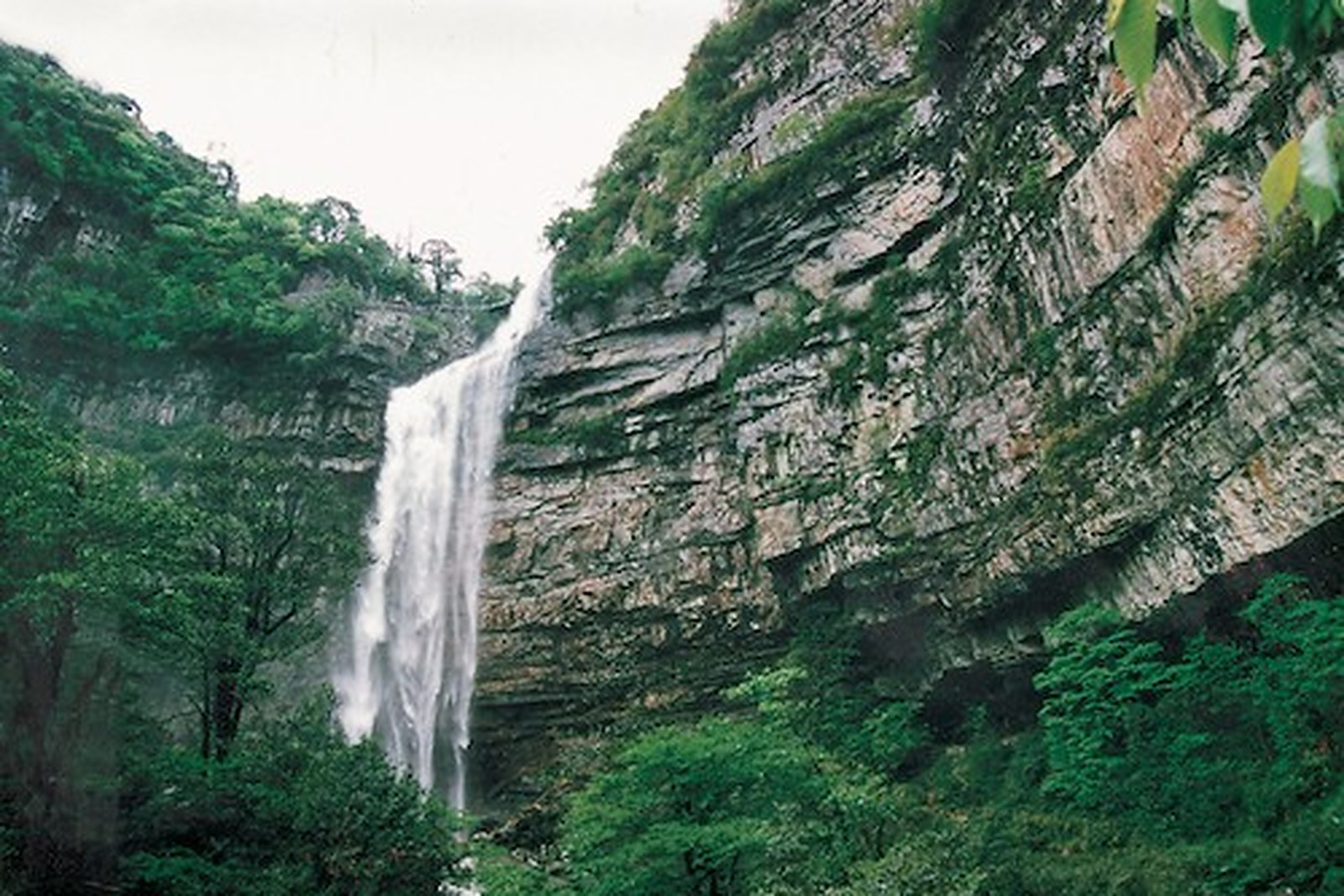
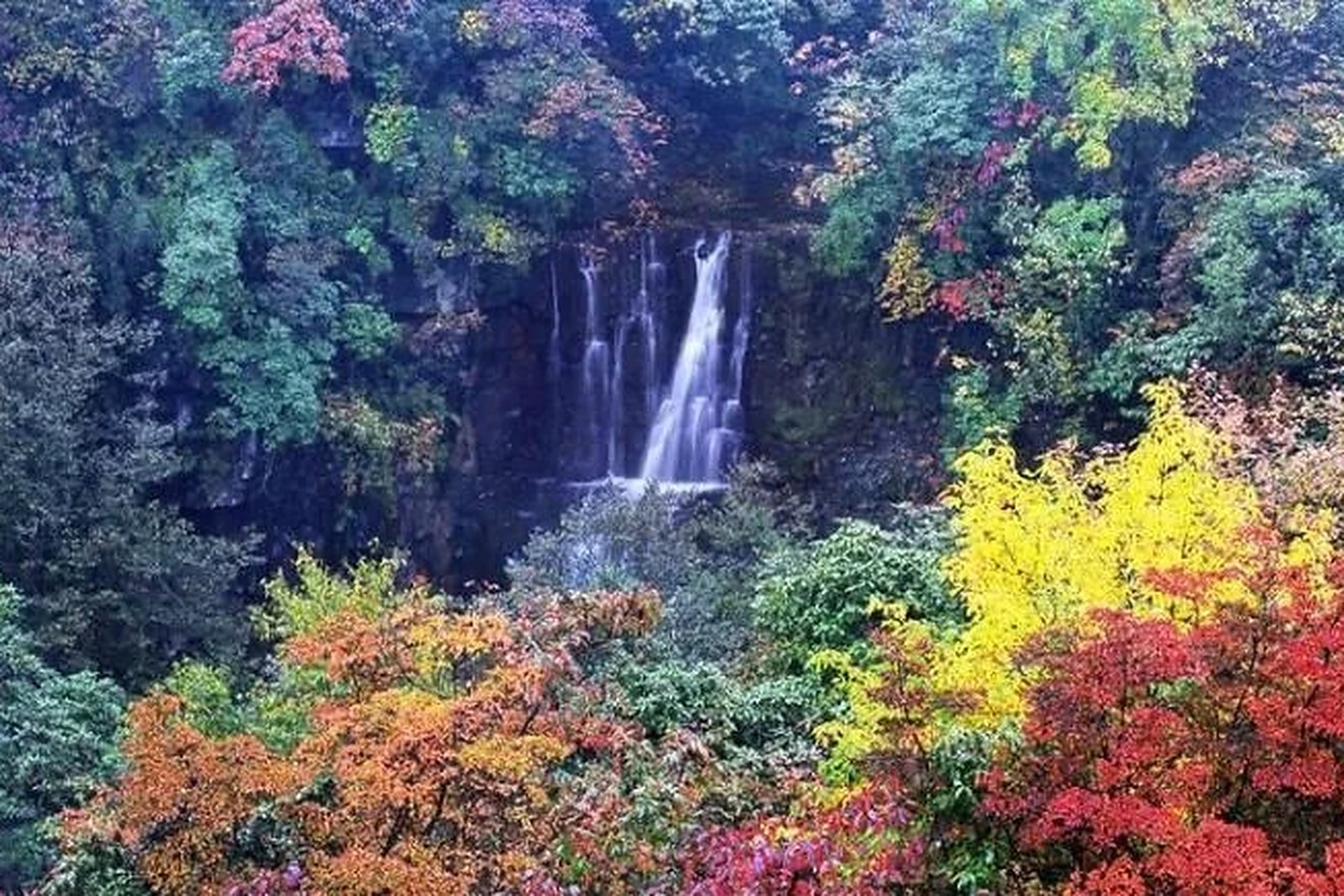
The wry take is that Xiaocaoba is sold as “Yunnan’s little Jiuzhaigou of waterfalls,” and the waterfalls are real but the comparison is flattering. What is overrated is the 红叶 hóngyè as a year-round promise — it is strictly an autumn thing (roughly October into November, after the first cold), and off-season you get green and wet and thin crowds but no show, so manage the expectation or go for the forest, not the colour. What is worth it is genuine: the 瀑布群 pùbù qún in the lush season, the cool 原始森林 yuánshǐ sēnlín on a summer day, and buying 天麻 Tiānmá direct from the hills as the one authentic souvenir. Best season splits in two — summer for the falls and the green, late autumn for the red leaves — and the winter is cold and quiet. Carry mosquito gear for the ravines, wear shoes that grip the wet boardwalk, and treat it as a half-day forest walk with a root to take home, not a wilderness expedition, because the boardwalks are the point and the wilderness is mostly behind a fence.
The self-deprecating footnote: I went in August for “red leaves” and got green, wet and bitten, and still bought 天麻 Tiānmá and called it a win — because the forest was cool, the falls were full, and the tuber was real. 小草坝 Xiǎocǎobà rewards the person who came for the walk and the medicine, and quietly disappoints the person who came for a postcard season. Go in the right month for the colour, or go any green month for the wood, and you will leave correctly pleased.
Practicalities
- Rating: A forest scenic area and provincial reserve in Yiliang County, known for its waterfall group, primeval forest and gastrodia hills; a family-friendly woodland walk, not a heritage site.
- Tickets: The 景区 jǐngqū is managed and likely charges an entry fee plus a possible shuttle (worth confirming the current ticket price and shuttle rules — the reserve has been a ticketed, walkway-developed spot, and the figures shift). No charge for the surrounding hills’ produce stalls.
- Address: 小草坝 Xiǎocǎobà, 彝良县 Yíliáng Xiàn Yiliang County, 昭通市 Zhāotōng Shì Zhaotong — by road into the county’s cool northeast; no railway.
- Time needed: A half day for the waterfall walk and the forest; a full day if you want the slower ravines and a stop at the 天麻 Tiānmá hills, but it is not an overnight kind of place.
Words and Names
小草坝 Xiǎocǎobà Xiaocaoba · the forest scenic area in Yiliang, known for falls and gastrodia 彝良县 Yíliáng Xiàn Yiliang County · the Zhaotong county that holds Xiaocaoba 瀑布群 pùbù qún waterfall group · the chain of drops through the ravines 原始森林 yuánshǐ sēnlín primeval forest · the cool highland woodland of the reserve 天麻 Tiānmá gastrodia · the medicinal orchid tuber, Xiaocaoba’s famous local product 红叶 hóngyè red leaves · the autumn colour display, strictly an October–November thing 省级自然保护区 shěngjí zìrán bǎohùqū provincial nature reserve · the protected status of the area 景区 jǐngqū scenic area · the ticketed, walkway-developed part of Xiaocaoba 昭通市 Zhāotōng Shì Zhaotong City · the prefecture the gastrodia hills belong to 深箐 shēn qìng deep ravine · the wooded gullies where the waterfalls hide
flowcloud would say that 小草坝 Xiǎocǎobà is Yiliang’s cool forest — a 瀑布群 pùbù qún through 原始森林 yuánshǐ sēnlín, the 天麻 Tiānmá hills of 昭通 Zhāotōng, and an autumn 红叶 hóngyè show — and that the honest move is the lush-season falls or the right autumn month for the colour, because the red leaves are strictly October–November, the boardwalks are the point, and the tuber is the one authentic souvenir while the wilderness stays mostly behind a fence. All checked October 2026.
Getting there: the Xiaocaoba forest area in Yiliang county, about two hours by road from Zhaotong (worth confirming the park shuttle); best in summer to autumn for the waterfalls and red leaves, with gastrodia (tianma) as the local claim to fame. All checked October 2026.