
Water on the Desert’s Lap: The Xiao Haizi Reservoir and Its Reed Bays
大漠蓄清波,苇岸落日圆 Dàmò xù qīngbō, wěi’àn luòrì yuán – The desert holds clear water; round sets the sun over the reed banks
正文:小海子水库 Xiǎohǎizi Shuǐkù the Xiao Haizi reservoir lies west of 图木舒克市 Túmùshūkè Shì Tumushuke City, one of the largest plain reservoirs of the northwest – a vast sheet of irrigation water ponded between desert shores by the Corps’ engineers, feeding the farms that keep the oasis alive. This is not mountain scenery: the horizon stays low, the water holds the sky flat and enormous, and the reed beds that fringe the shore turn the whole margin into bird country. The 西海湾 Xīhǎiwān Xihaiwan resort frontage on the near shore gives the water its public face – a promenade, jetties and the sunset benches that local families treat as their evening square.
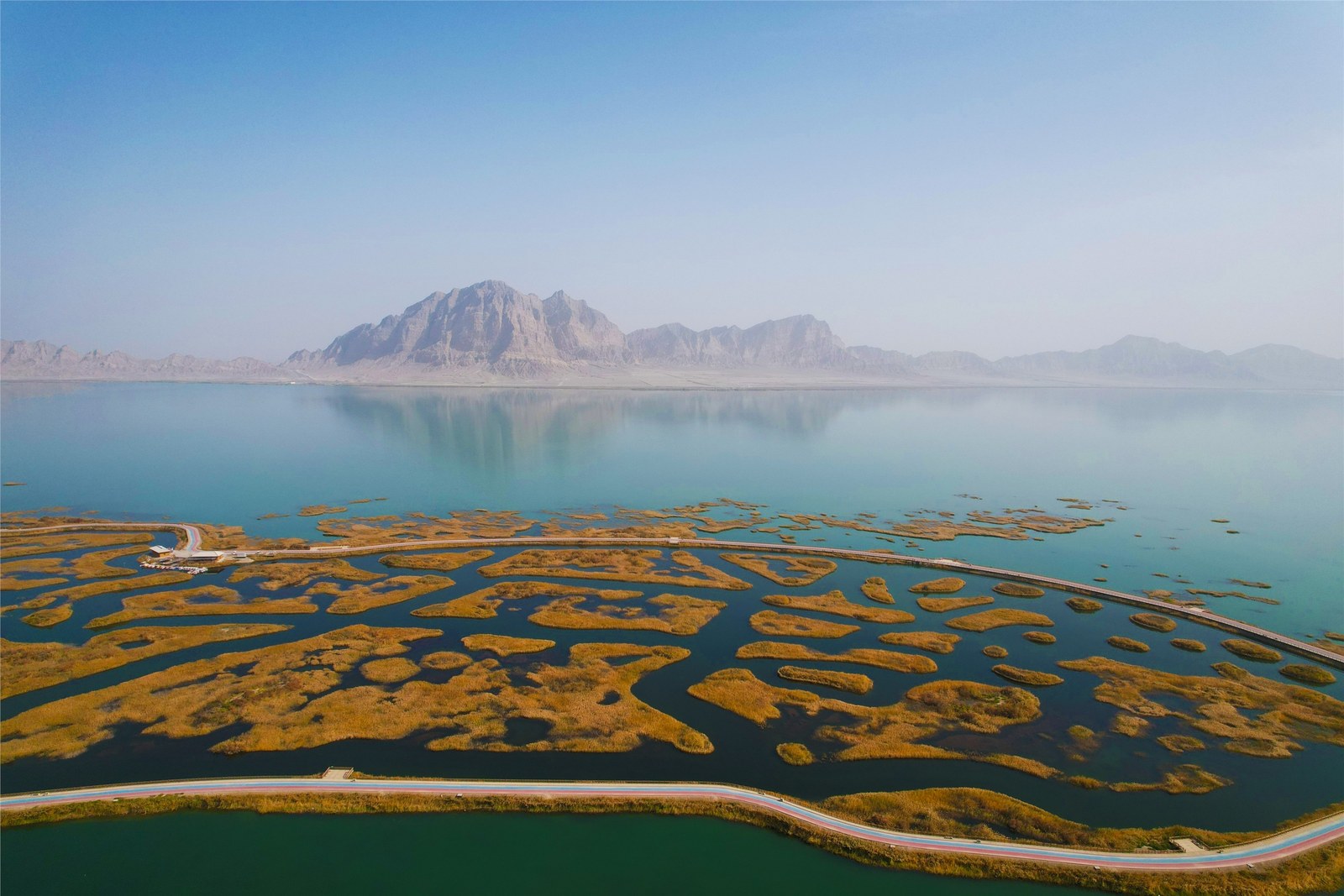
The water’s moods run with the seasons. Spring brings the irrigation draw-down, exposing gold margins where gulls and terns work the shallows; summer raises the level and the resort’s boats; autumn – the best season – piles the reed heads into silver plumes and stacks the sunset straight down the reservoir’s long axis; winter half-freezes the margins and imports whooper swans to the open pools. Any of it photographs well because the light here is desert light: hard at noon, outrageous at the edges of the day.
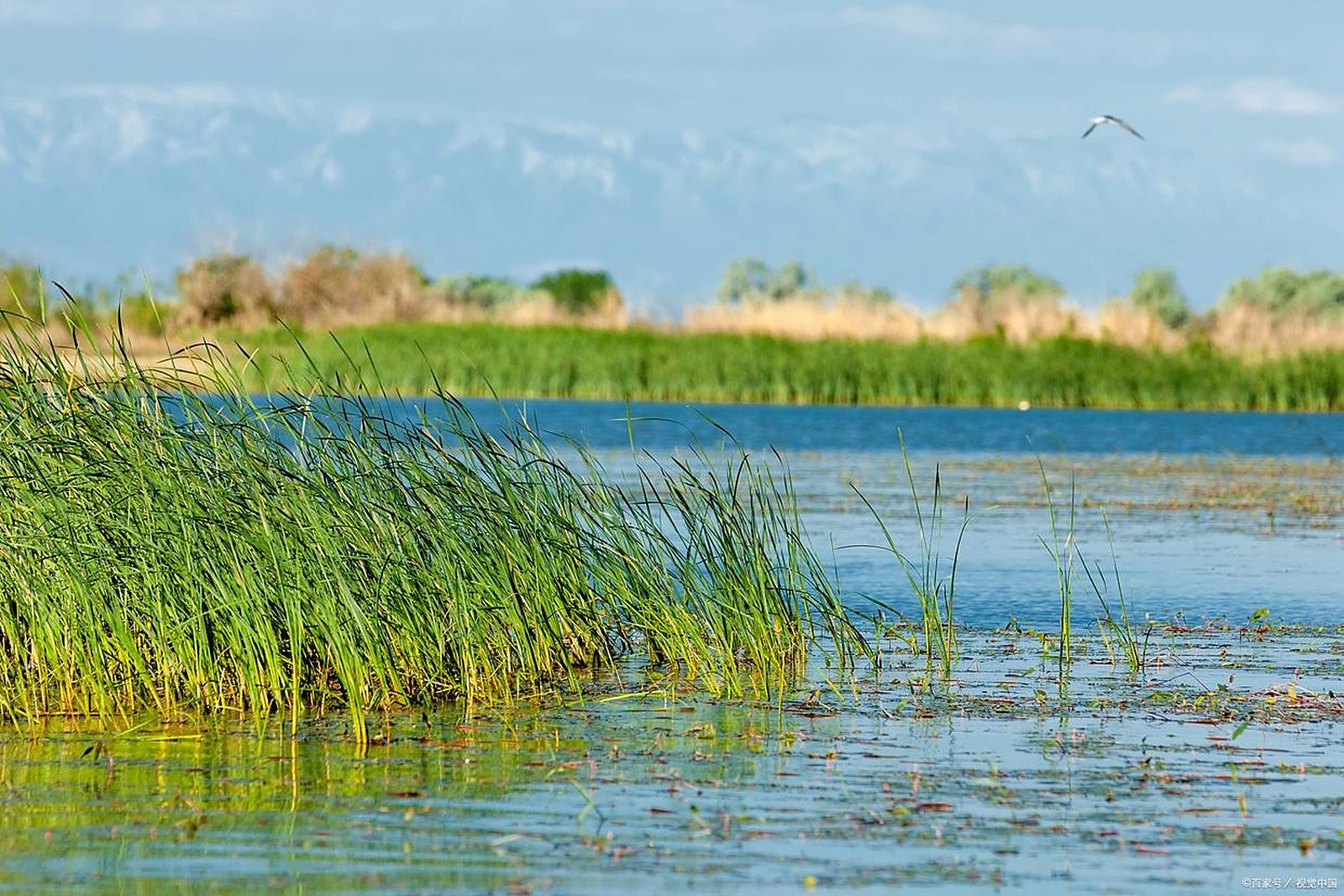
Birdlife is the reserve’s quiet specialty. The reed bays hold bitterns, bearded reedlings and harriers quartering the fringes; the mud flats gather waders on passage; and the open water keeps rafts of ducks through the cold months. Bring bins rather than a swimsuit – the water is working infrastructure, cold and silty – and give the reed margins the distance that lets the birds keep working. Dawn is the professional hour: mist on warm water, the first ferries of coots crossing open lanes.
Practicalities first. The reservoir lies along the Xihaiwan resort road, twenty minutes by taxi from downtown, and the shore road itself gives the best vantages – several lay-bys sit right over the reed margins. The resort frontage rents boats and pedalo craft in season; the far shores are Corps farm country, polite to view, private to wander. Food and water live at the resort strip; there is no shade on the open shore, so the same desert rules apply – hat, water, and a late-afternoon arrival that ends with the sunset show.
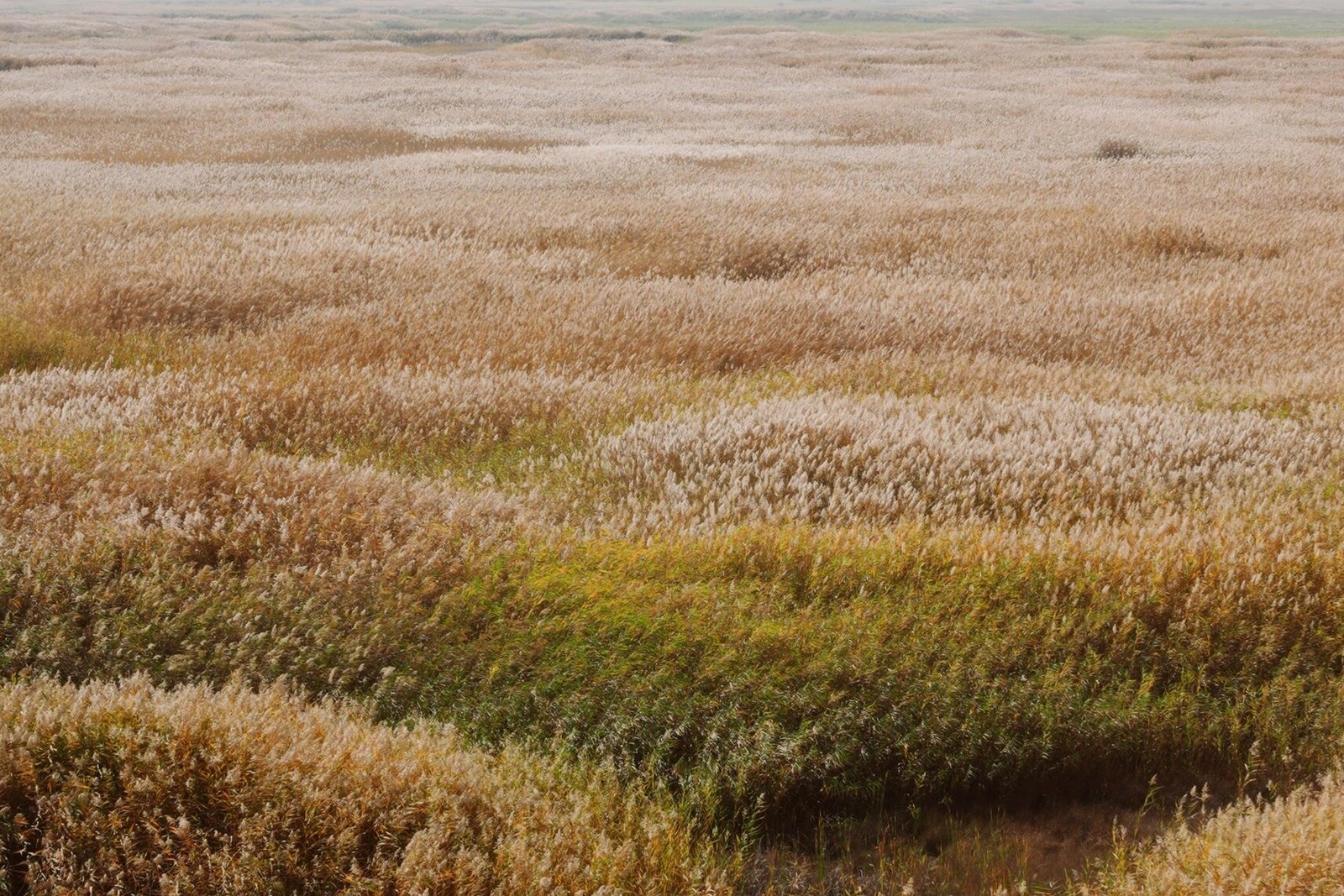
What stays with you is the scale of the engineering. Every drop in this basin is accounted – snowmelt captured, routed, timed to the cotton calendar – and Xiao Haizi is the basin’s biggest ledger page: a lake with a job. The poplar farms west of the shore drink it; the canal heads below the dam meter it out; and the reeds that make it beautiful are also the thing that cleans it. Recreation is the afterthought that the engineers have learned to be proud of.
Practicalities
Beyond the water, the same 图木舒克市 Túmùshūkè Shì Tumushuke City keeps more places worth the detour: 唐王城遗址 Tángwáng Chéng Yízhǐ the Tangwang City ruins for the Tang garrison earthworks, 胡杨林公园 Húyáng Lín Gōngyuán the Huyang Forest Park for the old desert poplars, 永安湖 Yǒng’ān Hú Yong’an Lake for the ecological park bays, or 图木舒克博物馆 Túmùshūkè Bówùguǎn the Tumushuke Museum for the oasis’s full story – four more doors into the same 图木舒克市 Túmùshūkè Shì Tumushuke City. Once the shore is walked, our Tumushuke food map fills the day.
Practicalities
Words and Names
flowcloud would say Xiao Haizi is the desert showing off its plumbing: a lake the size of a sea parked on sand, reed bays working as the water’s kidneys, and sunsets that run the full length of the reservoir like a curtain call – infrastructure that photographs like wilderness. All checked November 2026.
Getting there: The reservoir lies west of the city along the Xihaiwan resort road; any taxi makes the run in twenty minutes and the shore road gives the best vantages. Sunset is the hour – the water turns copper with the desert behind it. All checked November 2026.