
The Ibis’ Return: Xiazhu Lake Wetland
芦花深处白鹭起,一棹烟波入画来 Lúhuā shēnchù báilù qǐ, yī zhào yānbō rù huà lái – White egrets rise from deep in the reed flowers; one oar-stroke into the misty waves, into the painting
下渚湖 Xiàzhǔ Hú Xiazhu Lake, southeast of 德清县 Déqīng Xiàn Deqing county town, is one of Jiangnan’s largest surviving natural wetlands – not a reservoir or a park lake but the real thing: braided channels, reed islands, fish ponds and sedge flats spread over some ten square kilometers, threaded by boat lanes the locals have poled for centuries. Its rarest residents made the wetland famous: 朱鹮 zhūhuán crested ibis, the coral-pink endangered crane-like bird once down to a handful of survivors in Shaanxi, was re-introduced here – and now breeds over the reeds, one of East China’s quietest conservation wins.
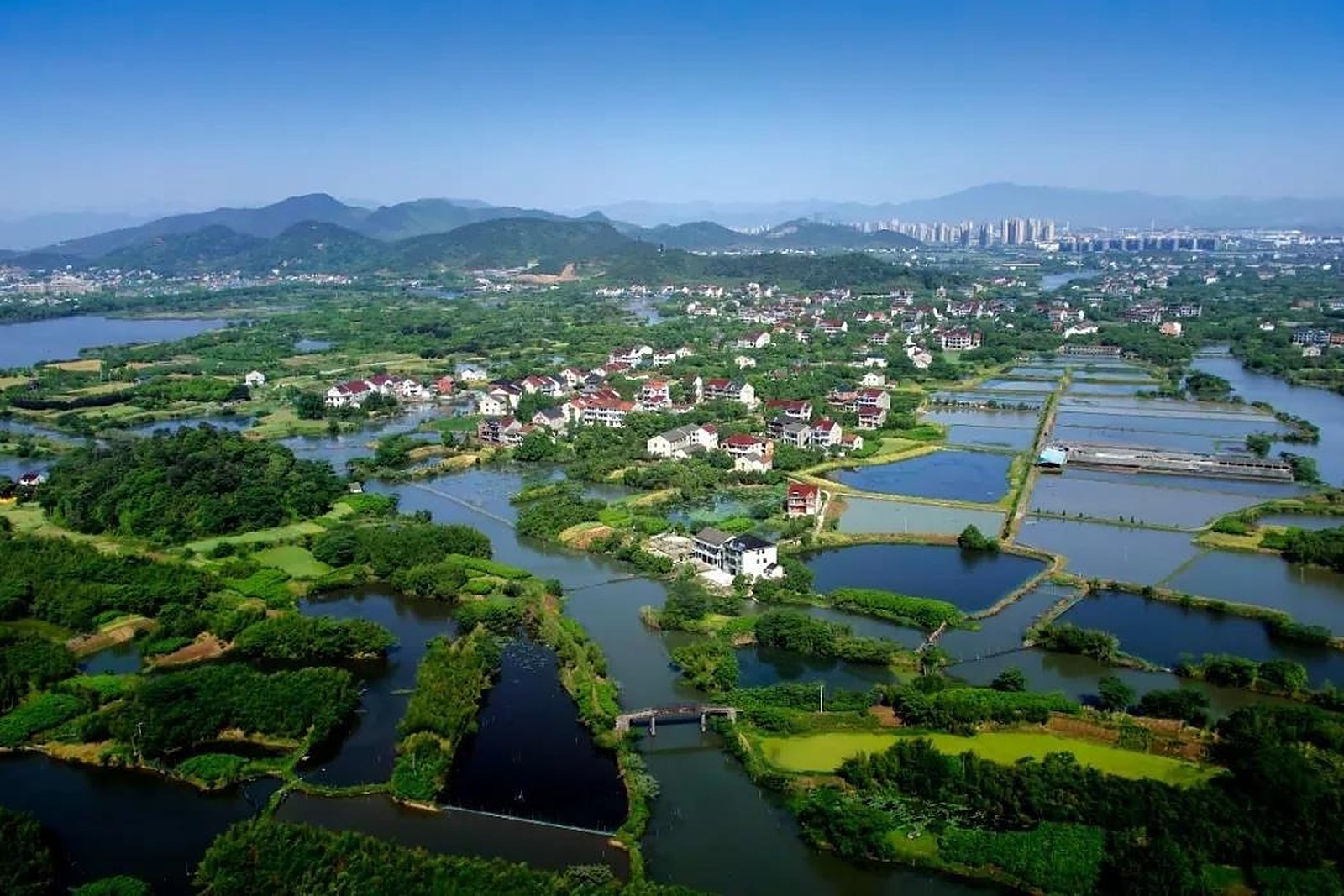
The wetland runs by boat: flat-bottomed craft leave the dock and thread the channels between three island mounds – 港汊 gǎngchàn creek-labyrinth country where the reeds close overhead and every turn delivers another heronry. Winter brings the migratory geese and ducks; summer brings the lotus lines; autumn brings the reed flowers that give the lake its silver haze.
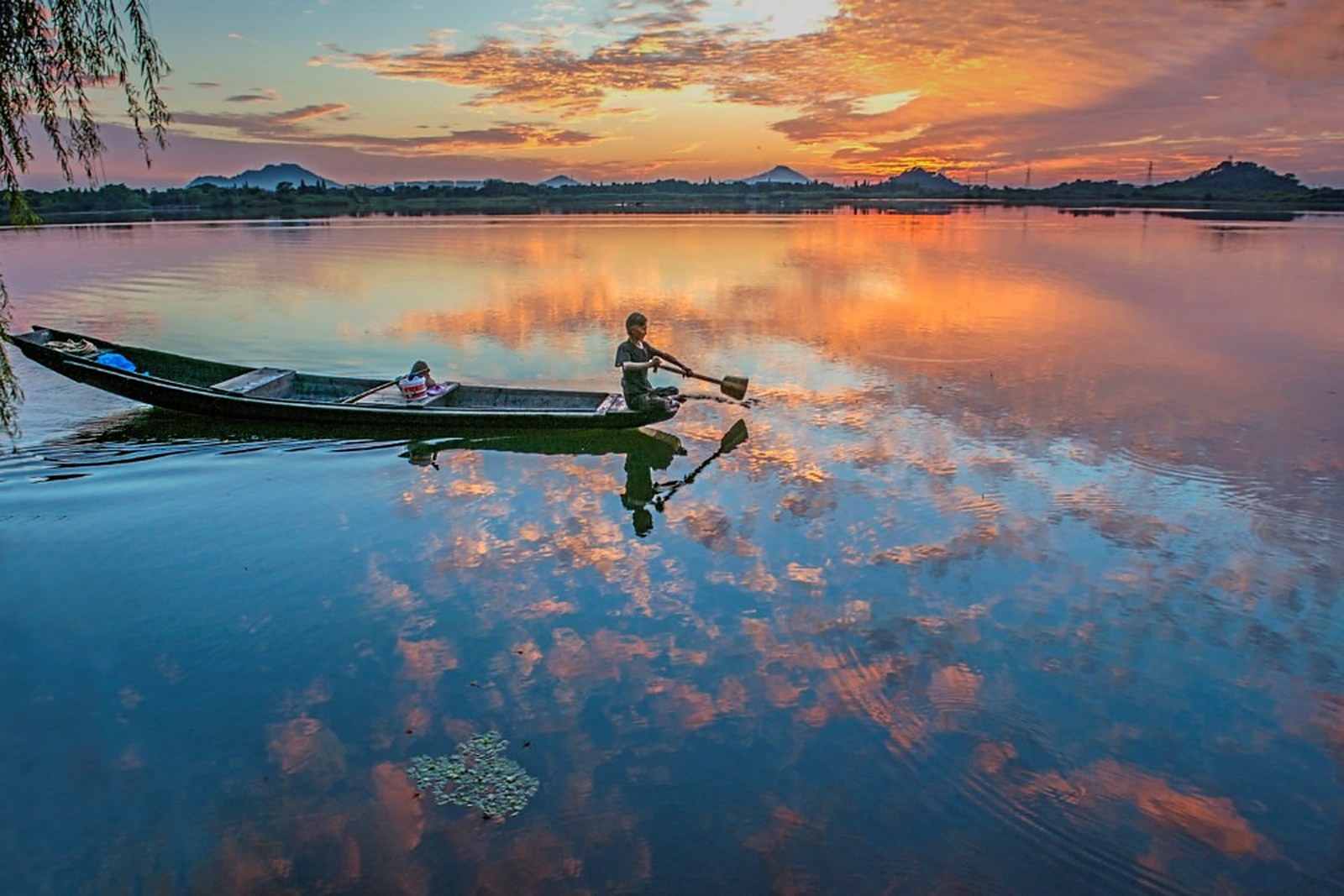
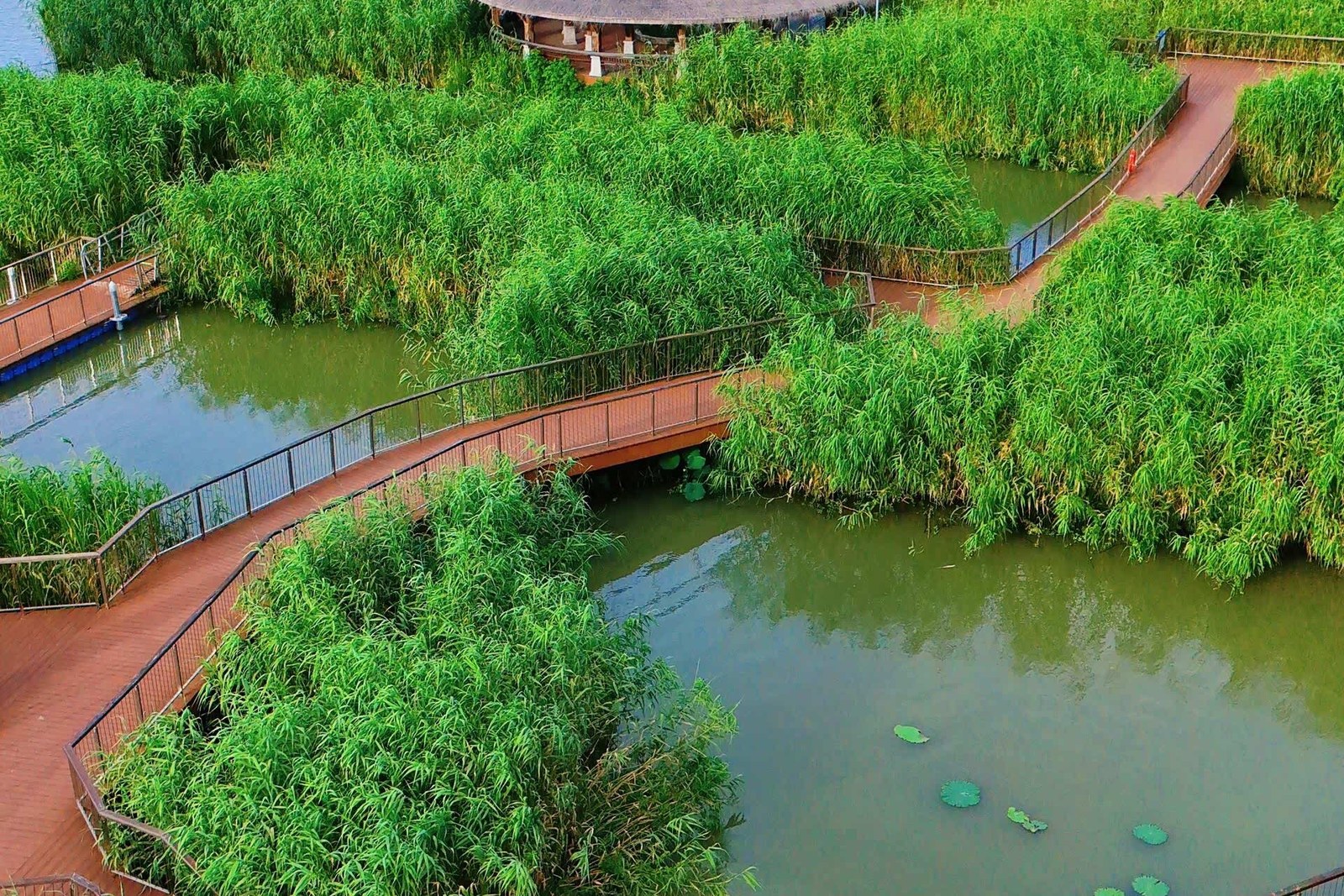
The islands themselves are the viewing stations: raised decks over the flats, telescope points on the ibis feeding grounds, and boardwalks across the sedge where the rail birds run. Boatmen double as spotters – they know which channel held the ibis yesterday morning, and the boat’s pace slows wherever something worth thirty seconds of silence is fishing.
A half day covers the boat circuit, and mornings are the bird hours – mist on the channels, first flights, the reeds still dark against the sunrise. Pair it with Deqing’s other two: Mogan Mountain’s villas inland, or the canal town of 新市古镇 Xīnshì Gǔzhèn Xinshi downstream – wetland morning, mountain afternoon is the county’s standard day.
Practicalities
- The wetland runs by boat only – the circuit docks at the three islands; allow half a day with landings.
- Mornings are best for birds and light; bring binoculars if the ibis matter to you – the decks have scopes but queues form on good days.
- Autumn reed-flower season (November) is the wetland’s photogenic peak; summer is lotus season but hot on open water.
- The boat dock is fifteen minutes from Deqing county town; taxis know the gate.
Words and Names
下渚湖 Xiàzhǔ Hú Xiazhu Lake, the Deqing wetland; 朱鹮 zhūhuán crested ibis, the returned rare bird; 港汊 gǎngchàn the creek labyrinth between the islands; 芦花 lúhuā reed flowers, the silver haze of autumn; 三岛 sān dǎo the three island mounds of the boat circuit. Beyond the reed maze, the same 湖州市 Húzhōu Shì Huzhou City keeps more places worth the detour: 南浔古镇 Nánxún Gǔzhèn the silk canal town, 莫干山 Mògān Shān the villa mountain, 安吉竹海 Ānjí Zhúhǎi the bamboo sea, or 南太湖度假区 Nán Tàihú Dùjiàqū the Moon Hotel lakeshore – four more doors into the same 湖州市 Húzhōu Shì Huzhou City. Once the reeds have had their herons, our Huzhou food map fills the table.
flowcloud would say Xiazhu is a lake that rents its silence by the boatload: channels for the lanes, islands for the platforms, and a pink-feathered miracle gliding over the reeds as if the whole recovery were just another migration. All checked November 2026.
Getting there: Xiazhu Lake lies southeast of Deqing county town – Deqing station is fifteen minutes by taxi to the boat dock, the wetland circuit runs by boat between the three islands, and mornings are the bird hours. All checked November 2026.