
Willows and Boatsheds: Xigu Park
西沽柳浪莺声里,一棹春风入画来 Xīgū liǔlàng yīngshēng lǐ, yī zhào chūnfēng rù huà lái – In the willow waves of Xigu the orioles sing; one oar of spring wind rows you into a painting
西沽公园 Xīgū Gōngyuán Xigu Park is 天津市红桥区 Tiānjīn Shì Hóngqiáo Qū Hongqiao District’s green lung – a lake-and-willow garden of boat sheds, stone gateways and waterside pavilions on the 北运河 Běiyùn Hé North Canal’s southern bank, where the city’s oldest market quarters once came to breathe. It is a working park in the best sense: tai chi at first light, retired orchestras under the pavilions by ten, and boatmen ready to take the water the moment the ice leaves.
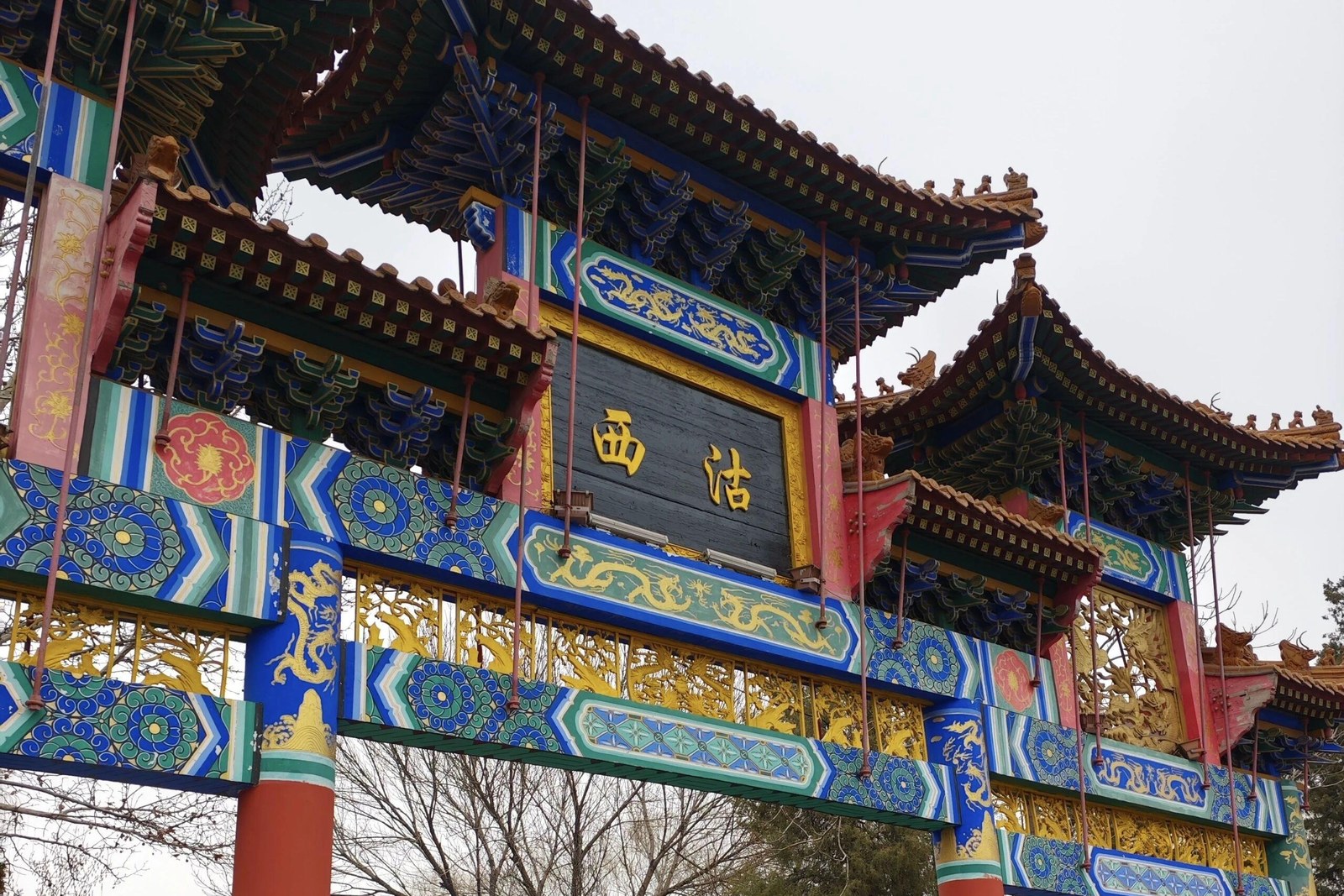
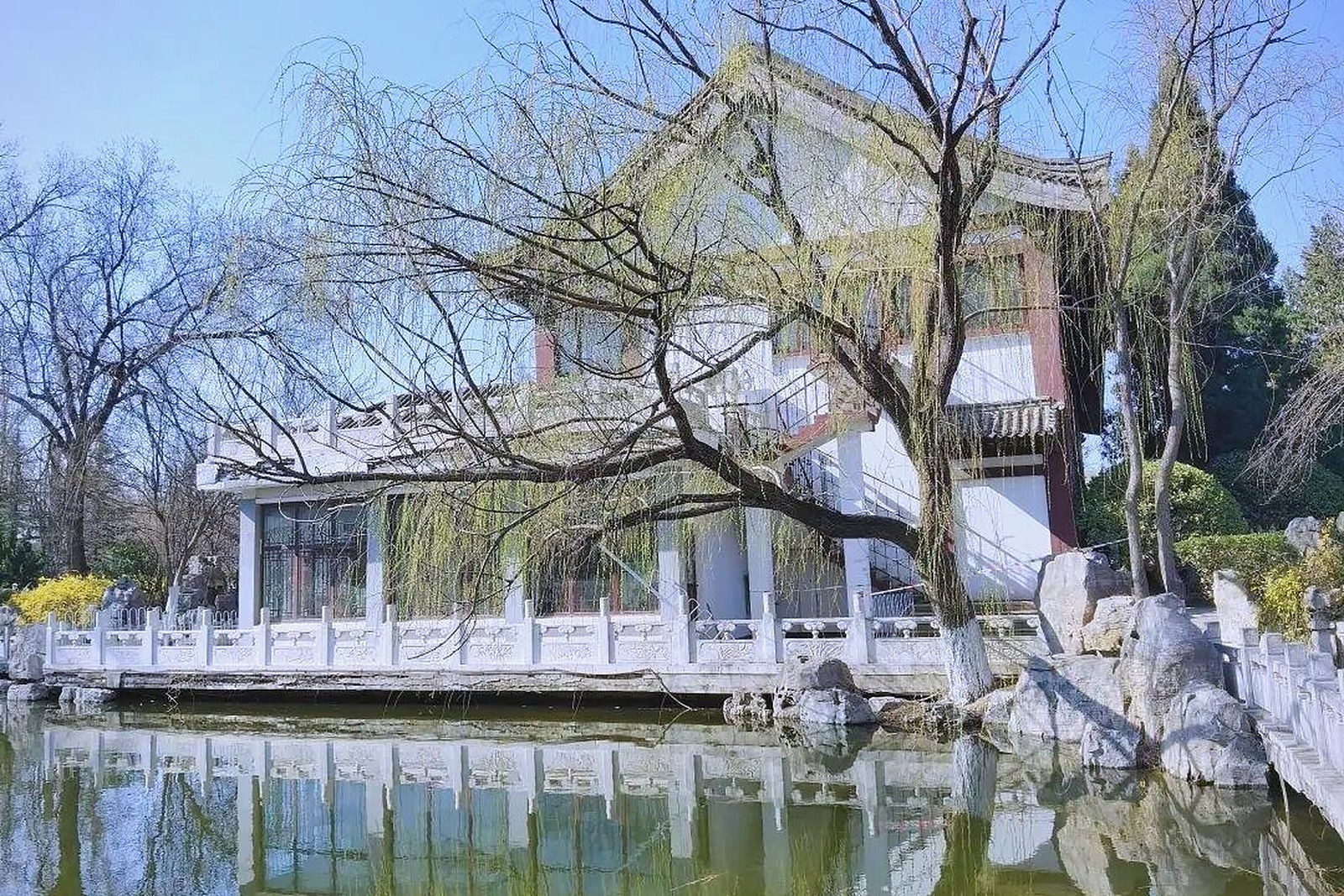
The park’s structure is classical without being stern. A painted gateway admits you to willow walks that run the water’s edge, stone bridges fold the lakes into separate rooms, and the boat shed’s wooden hulls sit moored like props from an older Tianjin. In 桃花 táohuā peach-blossom week the banks go pink, and the park’s oldest photographers claim the light then is the best in the city.
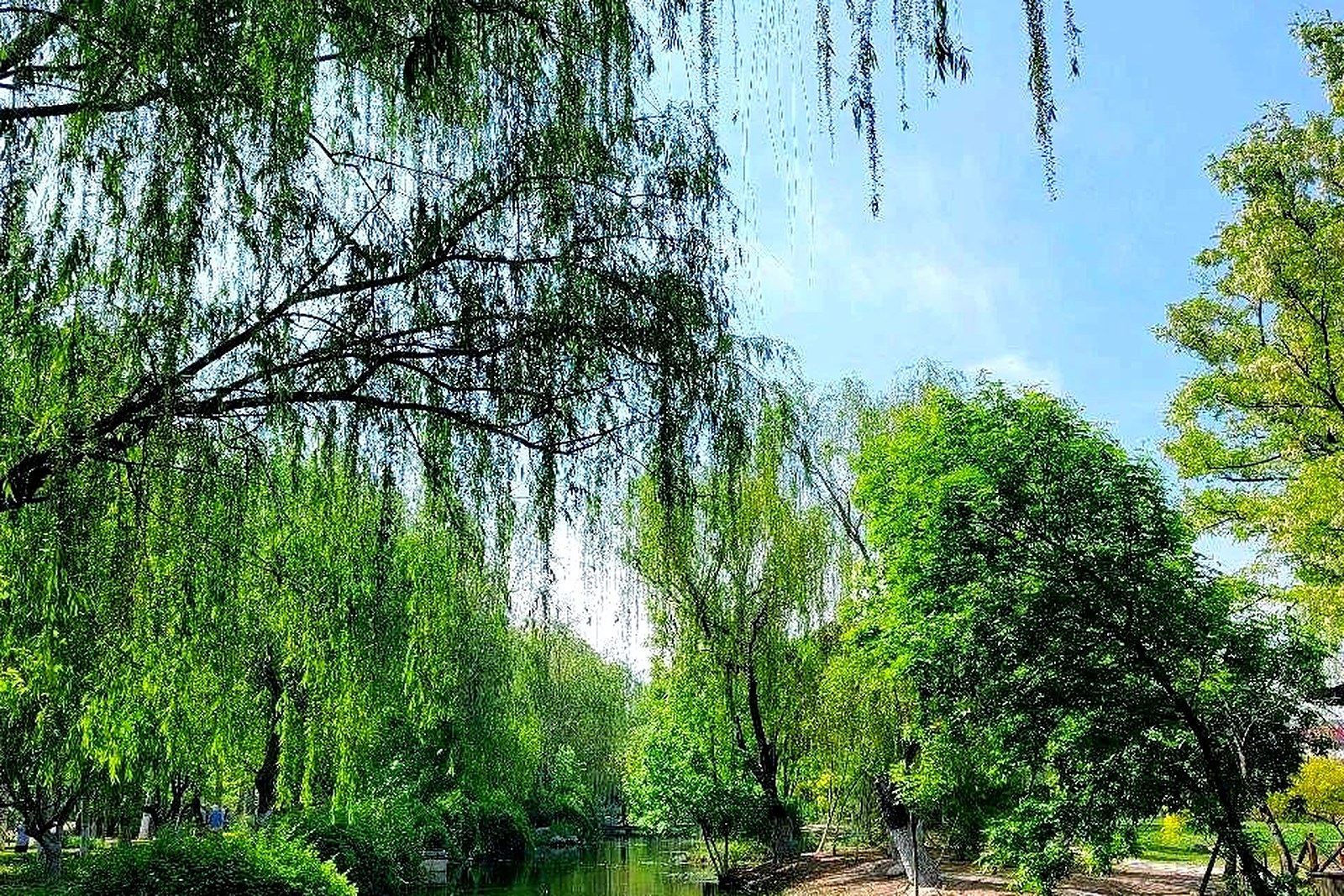
The inland side keeps the quiet registers. Cricket keepers hang their cages in the shade, chess boards run under the biggest willows, and the teahouse by the east gate pours the neighborhood’s longest refills. Children feed the carp off the stone landings, and the park’s freedom – no tickets, no ropes, no queues – is exactly why three generations of Hongqiao families keep it as their Sunday.
Practicalities are the simplest in the district. The park is free at every gate, the lakeshore loop is an easy forty-minute walk, and the boat sheds and pavilions photograph best in the low light of early morning or the last hour before dusk. Come hungry: the lanes outside keep 早点 zǎodiǎn breakfast stalls that make the walk back the best part.
Practicalities
- Entry is free; boats run on the main lake in season.
- Metro Line 1 to 洪湖里 Hónghúlǐ Honghuli station, then a ten-minute walk west.
- Peach blossom peaks in mid-April; willow light is best in early morning.
- Pair it with 西北角 Xīběijiǎo’s breakfast quarter – walk east from the south gate.
Words and Names
西沽公园 Xīgū Gōngyuán Xigu Park; 北运河 Běiyùn Hé the North Canal; 柳浪 liǔlàng the willow waves – the park’s signature; 桃花 táohuā peach blossom of the April banks; 画舫 huàfǎng the moored pleasure boats. Beyond the park, the same 天津市红桥区 Tiānjīn Shì Hóngqiáo Qū Hongqiao District keeps more places worth the detour: 平津战役纪念馆 Píngjīn Zhànyì Jìniànguǎn the Pingjin Campaign Memorial, 估衣街 Gūyī Jiē Guyi Street, 天津西站 Tiānjīn Xīzhàn the West Railway Station, or 三岔河口 Sānchà Hékǒu the Sancha Estuary – four more doors into the same Hongqiao District. Once the willows have had their hour, our Hongqiao food map fills the table.
flowcloud would say Xigu Park is the district’s exhale: willows combing the water, hulls asleep in their sheds, and a city that keeps its mornings here on purpose. All checked November 2026.
Getting there: The park’s main gate sits on the North Canal’s south bank – Metro Line 1 to Honghuli station walks you west ten minutes, and the willows sign themselves from the bridge. All checked November 2026.