
窑湾 Yáo wān is the oldest surviving quarter of 湘潭市 Xiāng tán shì, the wharf district on the west bank of the 湘江 Xiāng jiāng at the southern end of the riverfront, and the local record dates its first lanes to 313, in the Jin dynasty. That makes the street pattern seventeen hundred years old, which is older than the city that grew round it in any form anyone would now recognise. The name is Qing; in the Yuan and Ming the place was called 锦湾 Jǐn wān, brocade bay, and the merchant shipping lay in tiers along the bank.
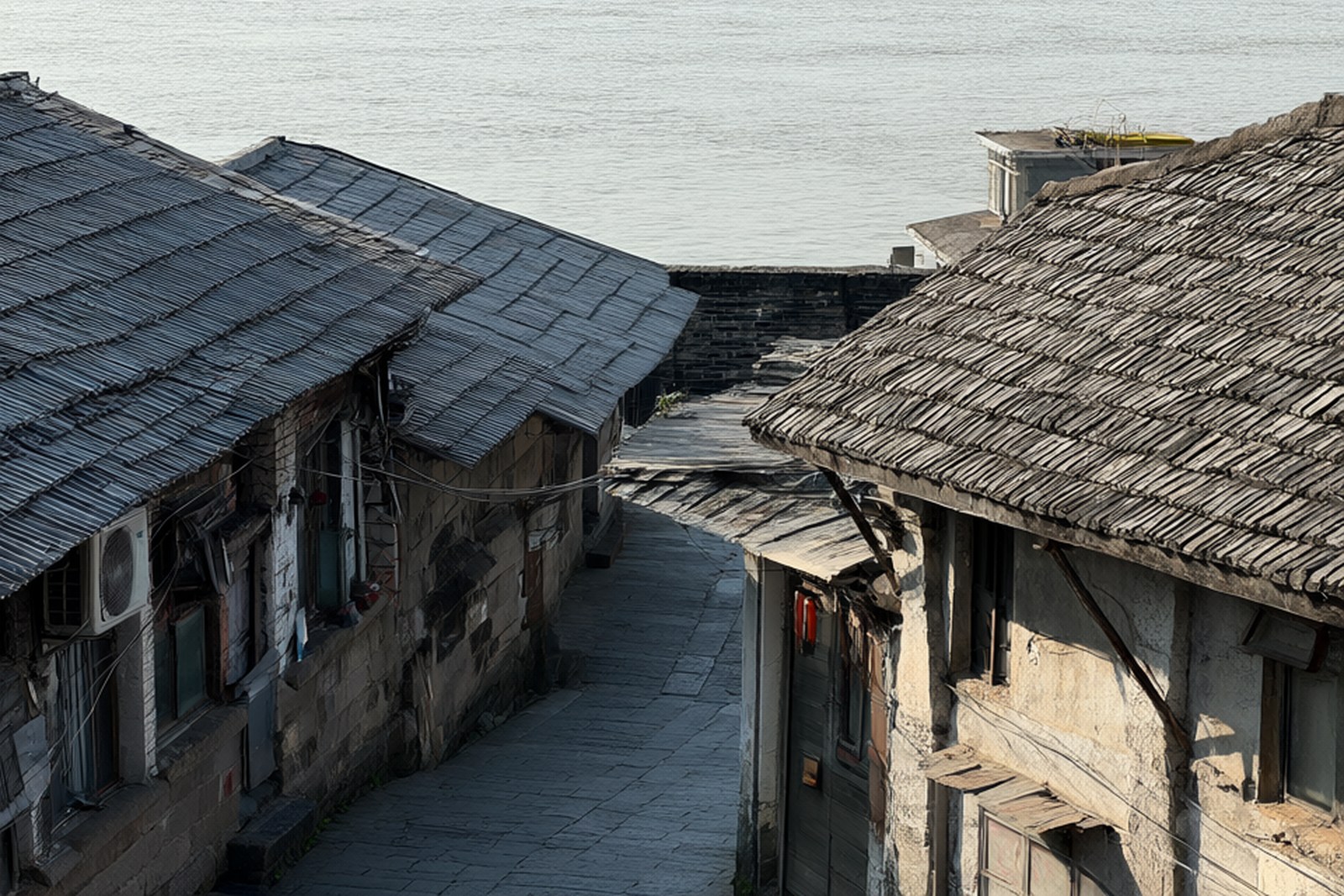
For most of its history this was the working heart of one of the great inland entrepots of south China. Xiangtan sits where the 湘江 comes down out of the hills into the plain, and the river was the road: grain from the lake country, tea from the hills, timber from the upper valleys and medicine from the south all came through here, and the city’s merchants grew rich enough that the place was called 金湘潭 Jīn Xiāng tán, golden Xiangtan, and 小南京 Xiǎo Nán jīng, little Nanjing. The wharves were organised into the 十八总 shí bā zǒng, the eighteen stages, each with its own trade and its own guild, and 窑湾 was the last of them and the one where the ships waited: the sheltered bend where a thousand boats tied up at once. The medicine trade in particular is why a southern drug called 槟榔 bīng láng, the areca nut, ended up in the warehouses here and became a Xiangtan industry rather than a southern one.
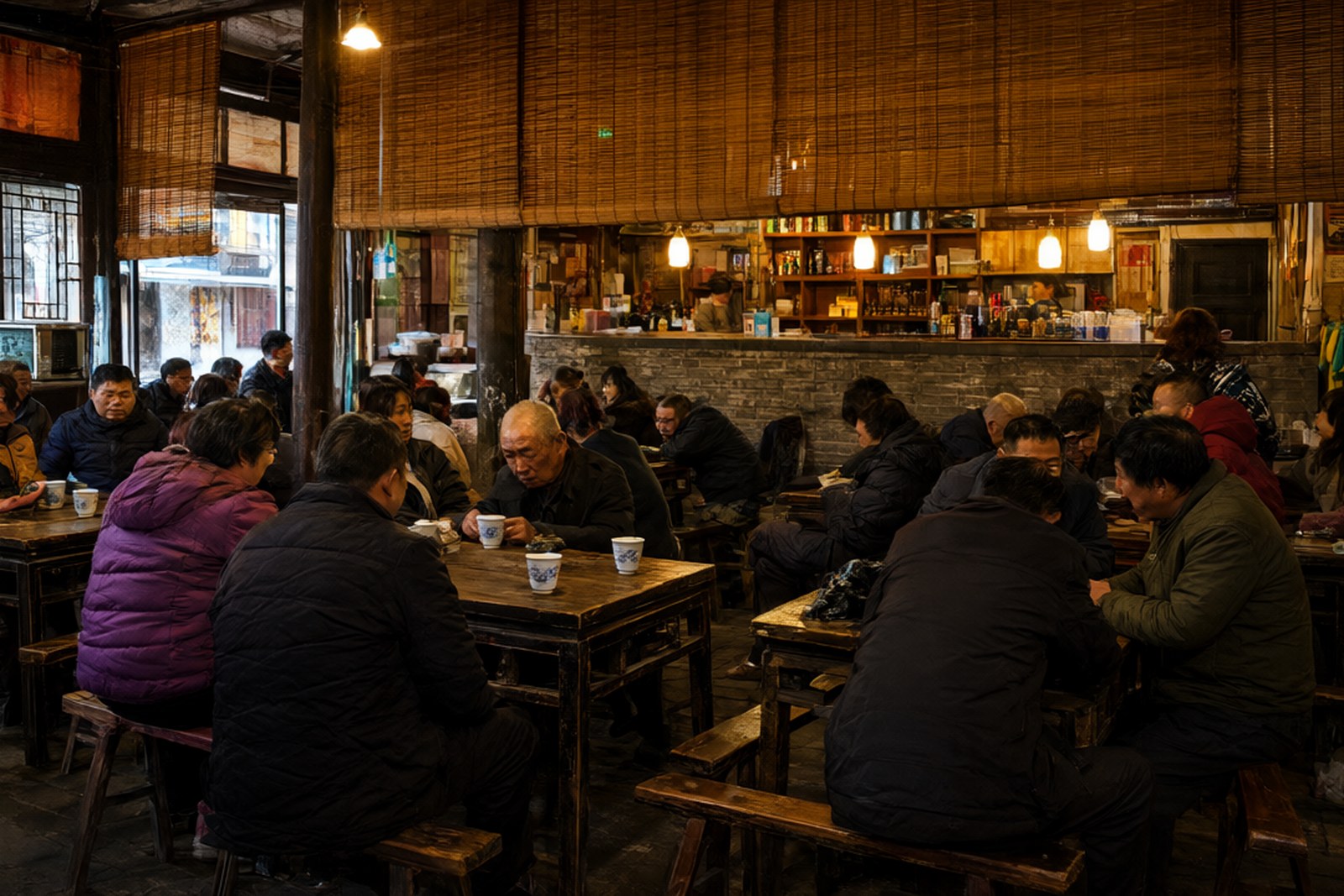
Four buildings carry the story now, and they are the four to look for. The first is the 潭宝汽车站 Tán bǎo qì chē zhàn, the Tanbao bus station, a round bunker-shaped structure of brick and reinforced concrete on the waterfront, and the first bus station in China built from those materials: designed in 1925 by a German architect together with the provincial highways engineer 周凤九 Zhōu Fèng jiǔ and completed in 1927, with the whole of its ground level pitched to survive a flood expected once in a century, and with its platforms arranged so that a passenger stepped off a bus and onto a boat without crossing a road. It is a provincial protected site now and out of service, and the old sign lettering is still on the wall. The second is the 唐兴桥 Táng xīng qiáo, the Tangxing bridge, said to be the oldest bridge in the city and believed to date from the last years of the Qin with a Tang renaming; its stone parapet posts carry carvings of a hare, an elephant, a monkey and a lion, and they are worn but legible. The third is the 望衡亭 Wàng héng tíng, the pavilion from which 衡山 is supposed to be visible: it is built entirely of stone, without a nail or a piece of timber, and it carries a couplet saying that the mountain’s colour and the river’s sound are both gathered in one pavilion. The fourth is 大唐兴寺 Dà táng xīng sì, the temple that came before the city – the local saying is 先有唐兴寺,后有湘潭城, first Tangxing temple, then the city of Xiangtan – which was rebuilt on its original site and reopened in 2023, with an inscription attributed to the Tang calligrapher 褚遂良 Chǔ Suì liáng.
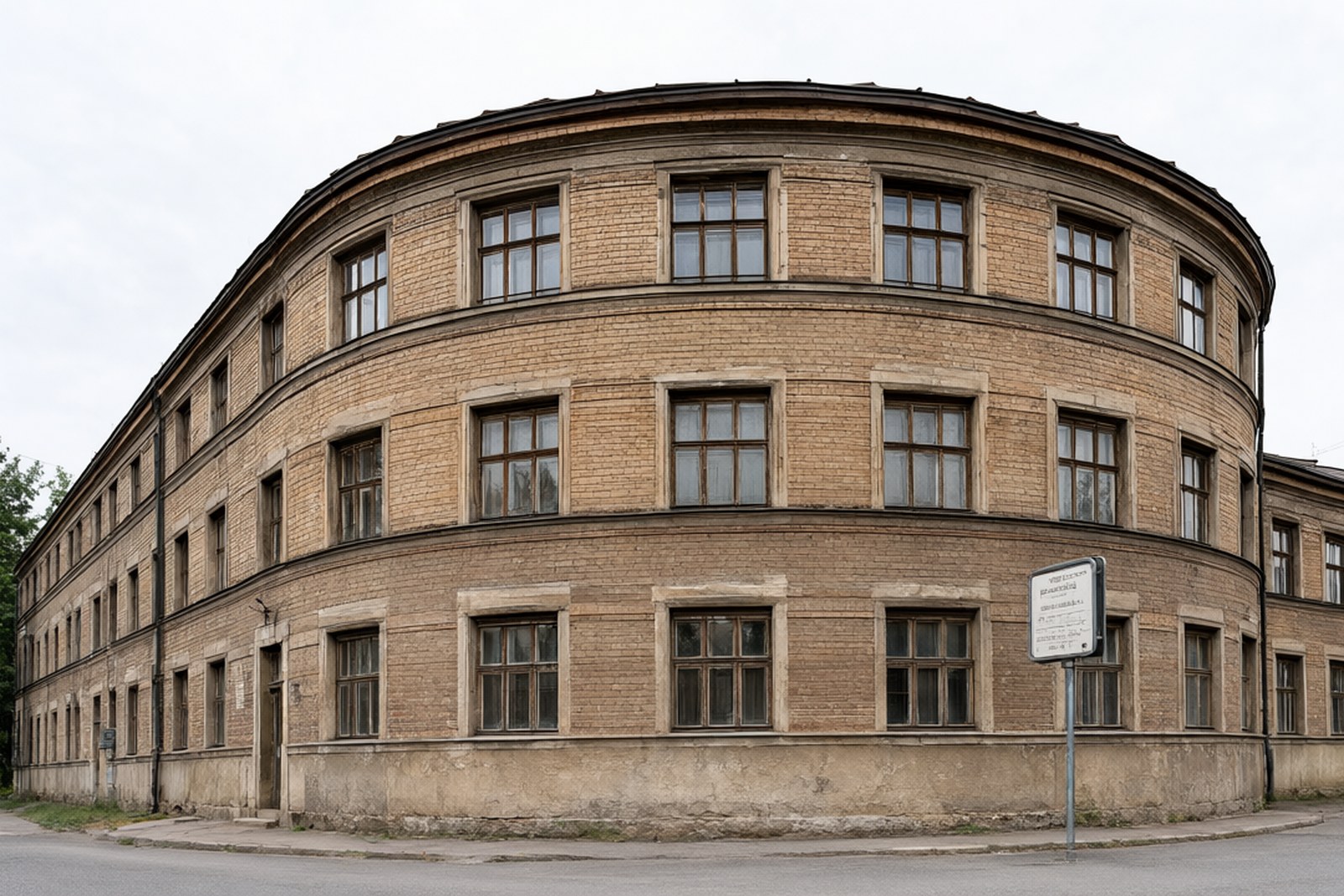
The fifth thing to look for is not a monument, and it is the reason people now come in the evening. The 潭宝茶馆 Tán bǎo chá guǎn, the Tanbao teahouse, occupies more than two thousand square metres, which makes it the biggest old-style teahouse in the city, and it sells tea by the cup for the price of a bus fare and lets you sit as long as you like. Inside, a reconstruction of a 1970s co-operative store stands next to a Chinese pharmacy and a wall of movable type, and the bar is faced with old bricks recovered during the restoration of the lanes, some of them still stamped with the name of a prefecture that shipped through the port. The quarter has been repaired rather than rebuilt, over a conservation area of some forty-one hectares and about a hundred and sixty thousand square metres of floor space, organised as one core at the bus station, one axis along the old street and four districts around it, and there is more to come: a park beside the bus station is laid out as a themed street for small concerts and night stalls. In the evening the lanes fill up, the teahouse runs out of tables, and the whole thing works.
Practicalities
Tickets. The quarter is an open public street and there is no charge to walk it, which includes the bridges, the pavilion and the riverside. The bus station is a protected building rather than a museum and is usually viewed from outside. The teahouse charges by the cup, in the region of a few yuan, and the temple takes an incense offering rather than an entrance fee.
Opening hours. The lanes are open all day; the teahouse runs from morning until late, and the quarter is at its best and busiest after about six in the evening, when the lighting comes on. Two to three hours covers the walk comfortably, an evening more if you sit in the teahouse. Be aware that parts of the quarter have been under phased restoration for several years, so a building that a guidebook describes may be behind hoarding.
Getting there. 窑湾 is in 雨湖区 Yǔ hú qū, 湘潭市, where 新马路 Xīn mǎ lù meets the 沿江中路 Yán jiāng zhōng lù on the west bank of the 湘江, at the southern end of the city’s riverfront park. 湘潭站 Xiāng tán zhàn is about ten minutes away by taxi and 湘潭北站 Xiāng tán běi zhàn on the 沪昆 high-speed line about thirty; the 长株潭 intercity railway connects the city to 长沙 and 株洲. Everything in the quarter is within twenty minutes on foot.
Closing day. There is no closing day; the quarter is a public street and the teahouse opens every day. Individual buildings do have closures – the temple keeps its own hours, and any building under restoration is shut for months at a time – so if one specific structure is the reason for the visit, check before travelling. The busiest days are public holidays, when the lanes are genuinely crowded in the evening.
flowcloud would say that a port which handled the province’s grain, tea, timber and medicine for a thousand years, and which now makes its living from a five-yuan cup of tea and a bus station that no longer runs buses, has done what ports always do, which is to sell the thing that made them and call it heritage.
Getting there: 窑湾 Yáo wān is in 雨湖区 Yǔ hú qū, 湘潭市, at the junction of 新马路 Xīn mǎ lù and the 沿江中路 Yán jiāng zhōng lù on the west bank of the 湘江 Xiāng jiāng, ten minutes by taxi from 湘潭站 Xiāng tán zhàn and about half an hour from 湘潭北站 Xiāng tán běi zhàn on the 沪昆 high-speed line.