
Where the River Ungroups: Oxbows, Reed Margins and the Egret Shift on the Yili Wetlands
苇深藏白鹭,水阔落闲鸥 Wěi shēn cáng báilù, shuǐ kuò luò xián ōu – Deep in the reeds hide egrets white; on the wide water idle gulls alight
正文:伊犁河湿地 Yīlí Hé Shīdì the Yili river wetlands spread along the oxbow side of the river below 可克达拉市 Kěkèdálā Shì Keketokala City, where the valley’s main current lets go of its channels and lets them wander: oxbow lakes, reed margins, sandbank shallows and backwaters that fill and empty with the snowmelt pulse. This is the widest, softest piece of the valley floor, and the birds have signed the lease – egrets, cormorants, migrating waders and the winter swans all work these shallows in shifts, ten minutes by taxi from a city that mostly ignores how lucky it is.
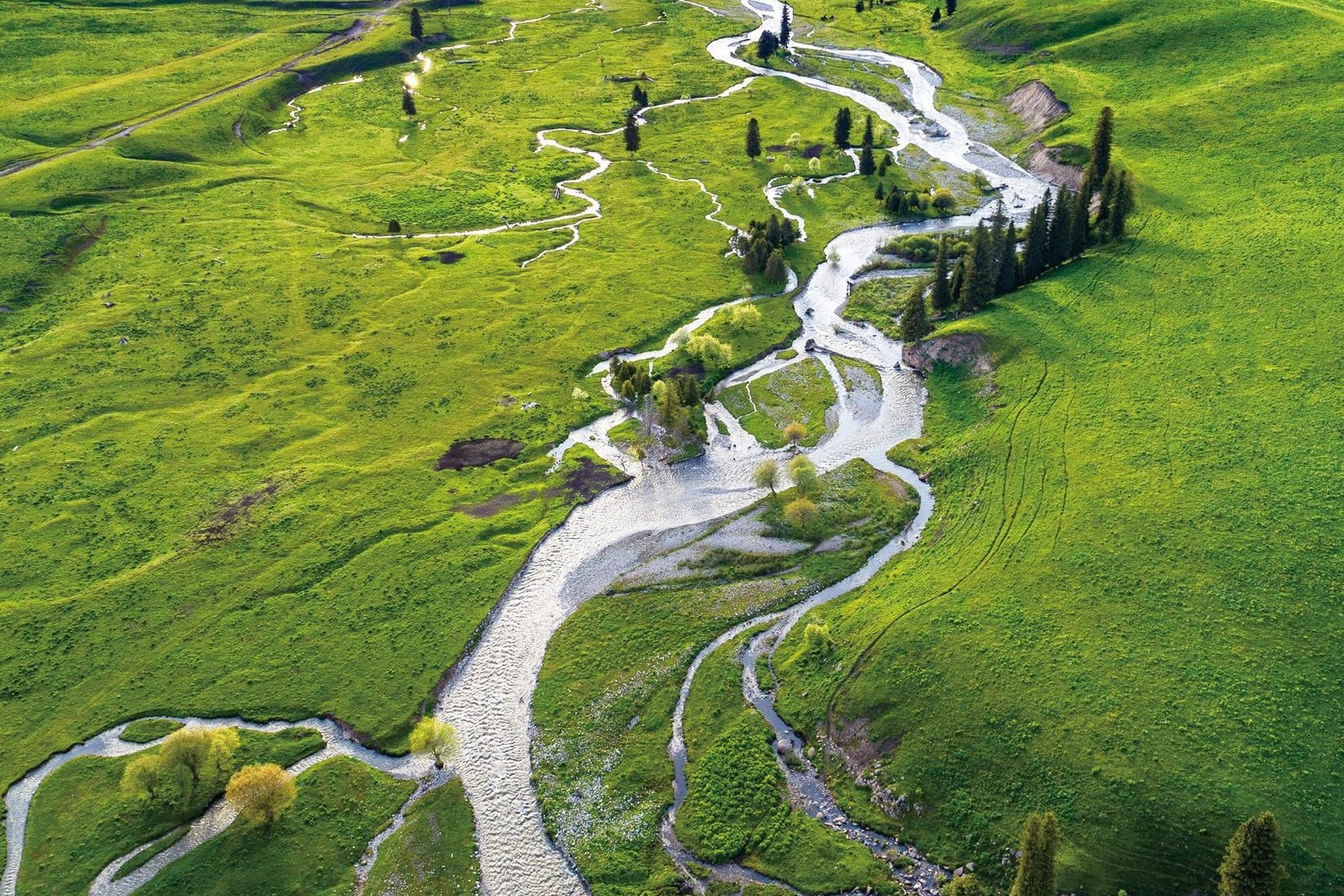
The wetland reads in horizontal bands. Open water first, where coots paddle and gulls loiter; then the reed margin, a green wall in summer and a silver-plume one in autumn, hiding the bitterns and the reed warblers; then the mud shallows, where waders arrive on passage and stake out their few square meters; and behind everything the poplar belts and distant mountains close the frame. Walk the embankment tracks with binoculars and the bands do the sorting for you – every hour of the day re-deals the cards.
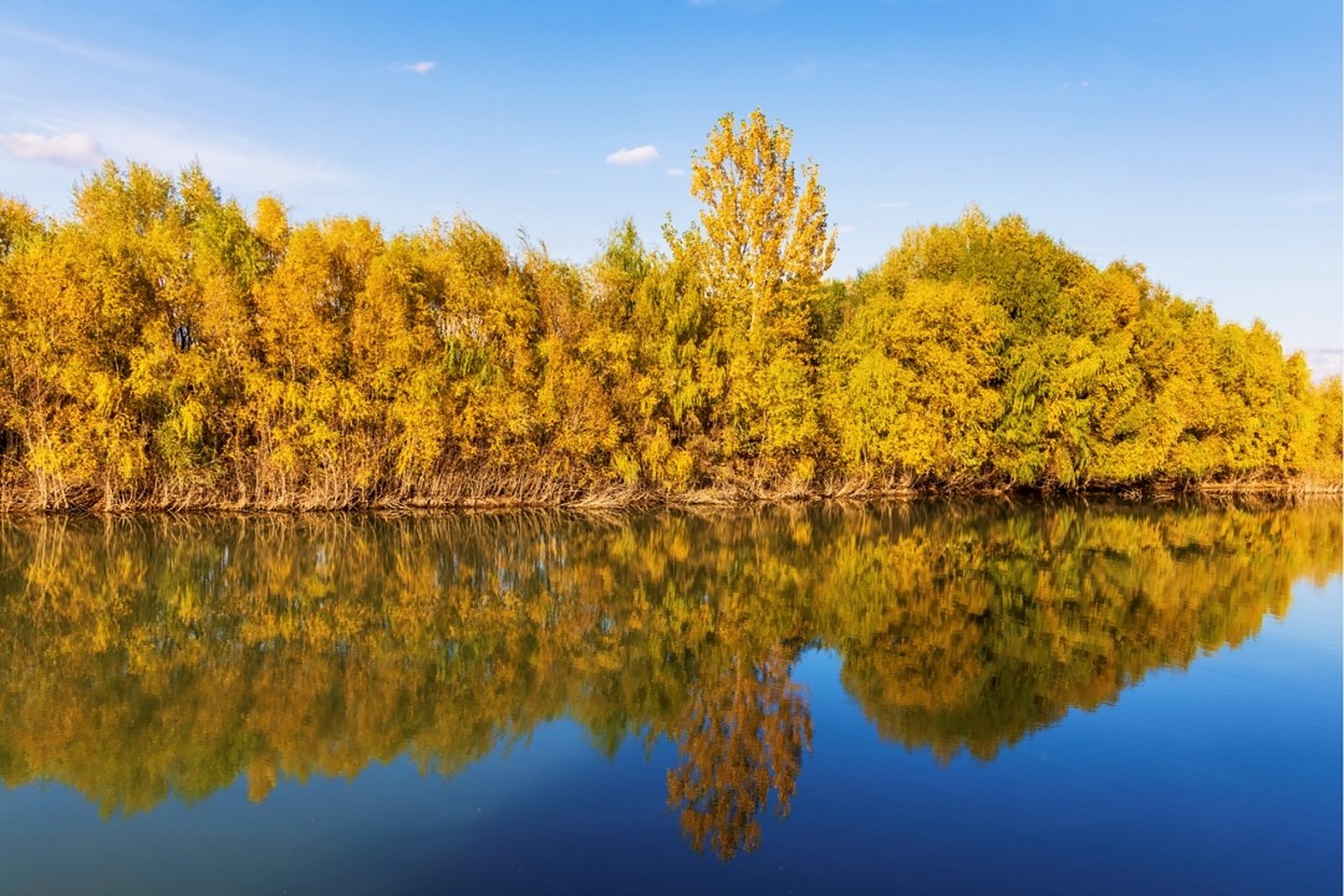
The seasons are the second show. Spring runs the wader migration through on schedule; summer greens the reeds into high walls where the broods hide; autumn stacks the plumes silver and pours the departing migrants through; winter brings the whooper swans down onto the open pools and empties the crowds along with the leaves. Bring binoculars rather than breadcrumbs – the birds keep their distance here, which is exactly why they are still here.
Beyond the shallows, the same 可克达拉市 Kěkèdálā Shì Keketokala City keeps more water-bright stops: 伊犁河畔 Yīlí Hé Pàn the river banks and bridge light, 滨河公园 Bīnhé Gōngyuán the riverside park belt, the June purple of 薰衣草田 Xūnyīcǎo Tián the lavender fields, and the song-archive of 草原之夜纪念馆 Cǎoyuán zhī Yè Jìniànguǎn the Grassland Night memorial – four more doors into the same 可克达拉市 Kěkèdálā Shì Keketokala City. With the wetlands birded, our Keketokala food map fills the day.
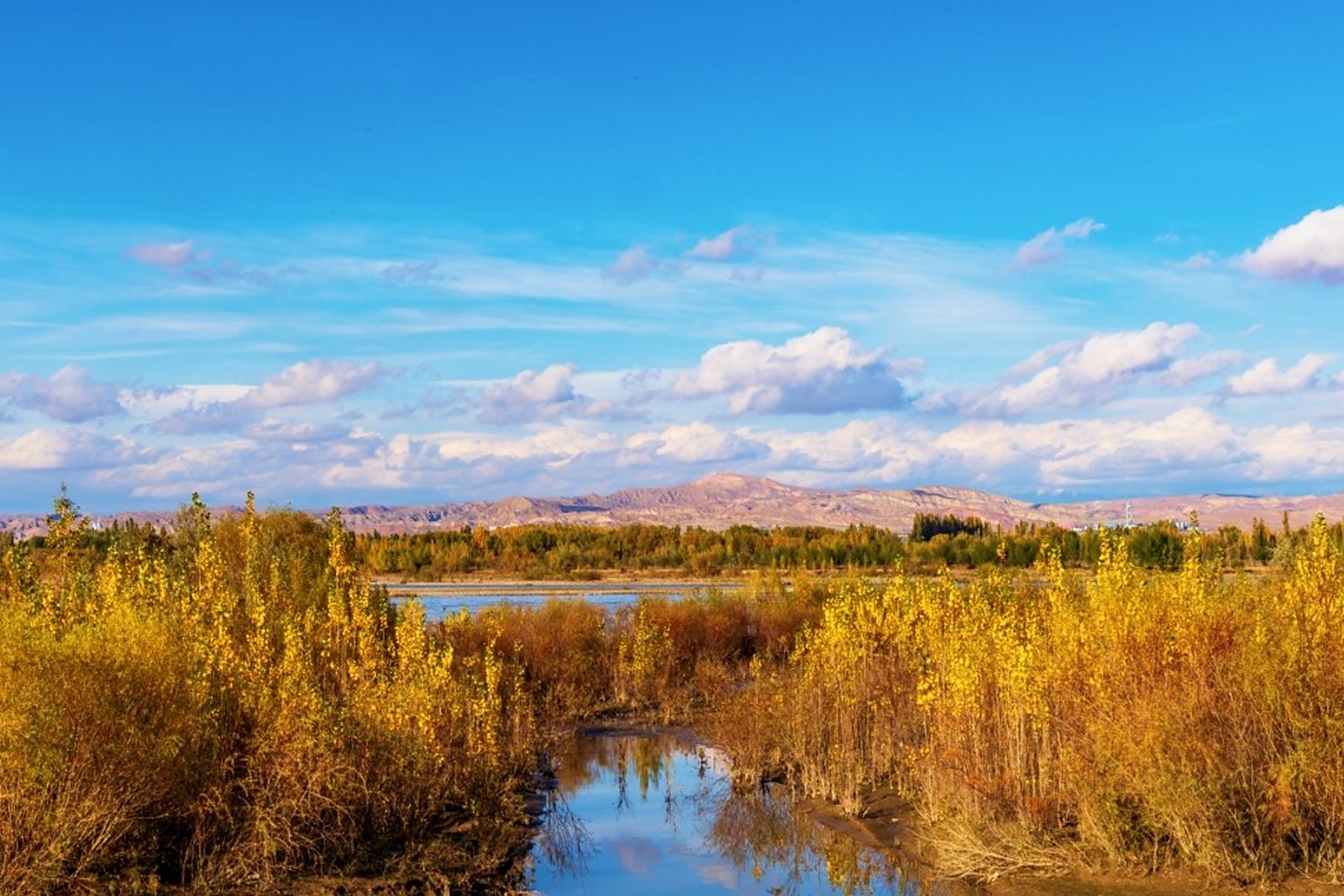
Practicalities first. The wetlands lie on the oxbow side of the river below the city – taxis make the run in ten minutes and the embankment tracks are walkable, though there is no boardwalk system yet and no shade away from the poplar belts, so carry water and a hat in the warm months. Dawn and the hour before sunset are the professional shifts; the middle of the day belongs to the reeds and their tenants.
What stays with you is the generosity of it. A planned city with barely a decade of streetlights has inherited a wetland that took the river ten thousand years to draw – and instead of straightening it, the bingtuan is guarding it. The reeds clean the water, the birds keep the ledger, and the city gets the scenery at cost.
Practicalities
Practicalities
Words and Names
flowcloud would say the Yili wetlands are the river’s sketchbook: every channel the main current ever tried is still lying there, reed-fringed, egret-audited, ten minutes from a city that checks on it daily. All checked November 2026.
Getting there: The wetlands lie on the oxbow side of the river below the city; taxis make the run in ten minutes and the embankment tracks are walkable – bring binoculars, since the birds keep their distance. All checked November 2026.