
Yiyang’s Old Lanes, a River Quarter Put Back Together
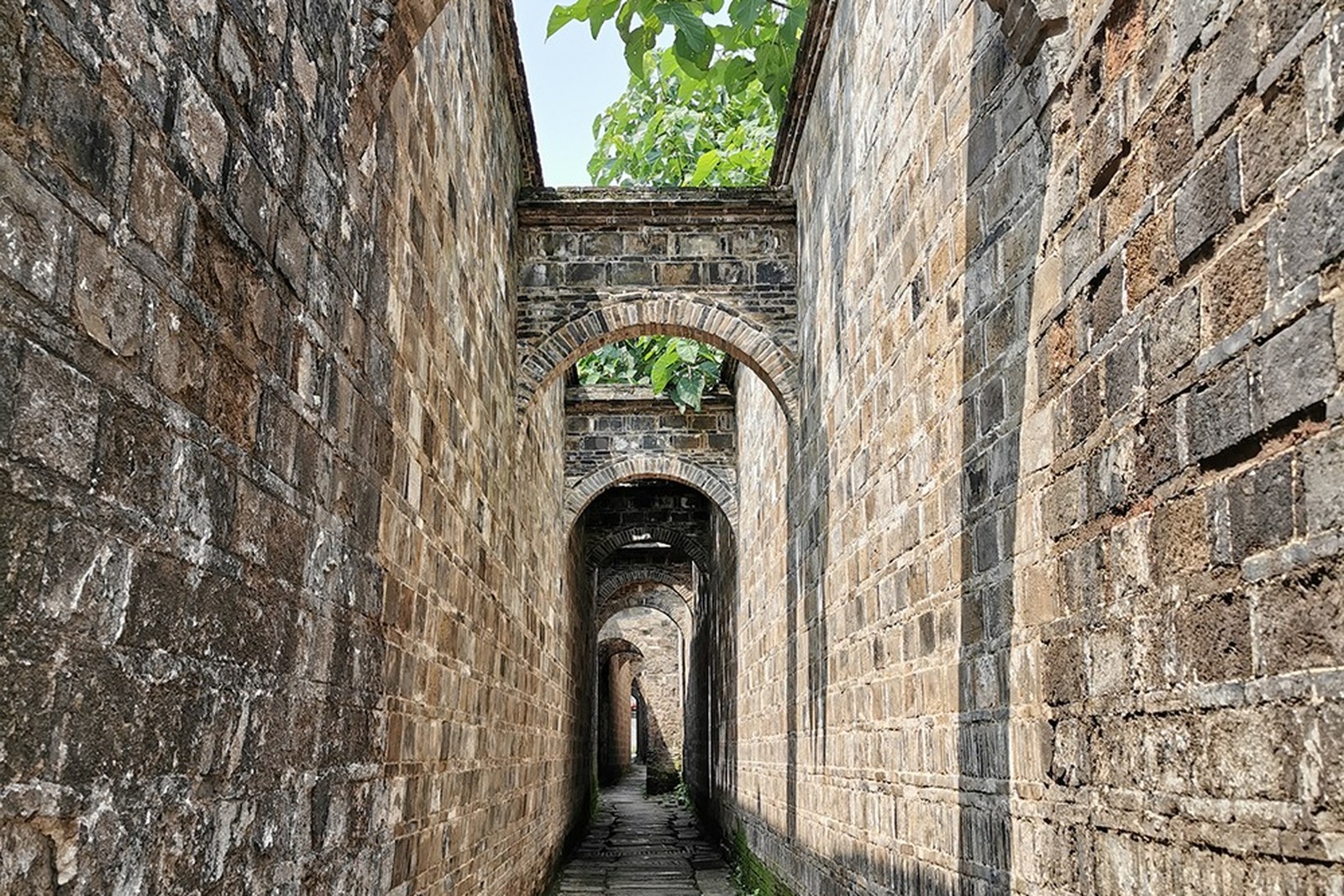
The wharves are the point, not the shopfronts. 益阳 Yìyáng grew up as a river port on the 资江 Zī Jiāng, where boats came down from the hills at 桃江 Táojiāng and went out onto 洞庭湖 Dòngtíng Hú, and the working heart of the old town was a set of stone quays and the lanes that ran up from them. What survives, and what has been restored, is a grid of 明清古巷 Míng-Qīng gǔxiàng, Ming and Qing lanes: narrow streets of grey brick and grey tile, a few stone gateways, the arched 魏公庙巷 Wèigōngmiào Xiàng and the stepped 玉陵坡巷 Yùlíngpō Xiàng and 灯笼馆巷 Dēnglongguǎn Xiàng, and the long flight of stone steps at 石码头 Shímǎtóu, the stone wharf, down to the water. It is small — a quarter of an hour end to end — and it is the only piece of old Yiyang left standing, which is exactly why it is worth the detour.
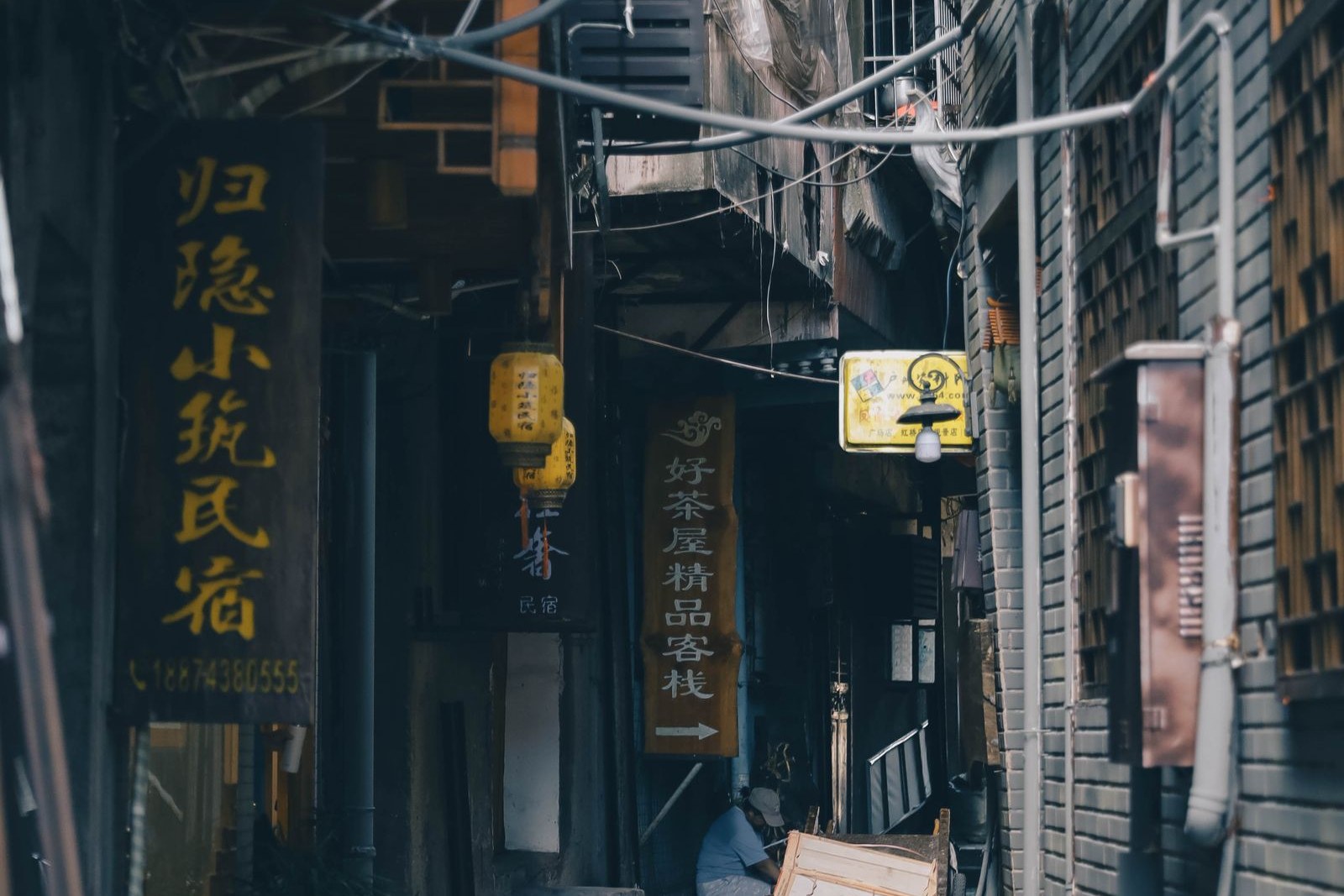
The interesting thing about it is that it has not been emptied. This is not a walled attraction with a ticket gate; people live in the houses, hang washing in the lanes, keep bicycles against the walls and run small shops at the ground floor, and the restoration has been done around them rather than by moving them out. The result is a street that photographs as a heritage quarter and behaves as a neighbourhood, and the mixing is more convincing than the fully curated old towns found elsewhere in the province. The brick is the local grey 青砖 qīngzhuān, the roofs are 小青瓦 xiǎo qīngwǎ, the tiles, and the detailing that has been put back — the stone thresholds, the carved brackets, the wooden shopfronts — follows what the buildings originally had rather than inventing an older and grander past.
What to Look For
Start at the river and walk up rather than down, so that the steps at 石码头 Shímǎtóu come first and give you the reason the lanes exist. Look for the 魏公庙巷 Wèigōngmiào Xiàng arch, the only one of its kind left here, and the angled 玉陵坡巷 Yùlíngpō Xiàng with its stepped paving, which was built that way because the lane is on a slope and carts could not use it. The little museum in the quarter is small and free and explains the port trade; the shops sell tea, cured pork and the usual souvenirs; and a good deal of the pleasure is simply in walking a lane where the light comes down between the eaves and the street is only two people wide.
Practicalities
Tickets. There is no admission charge for the lanes and the wharf, which is part of the point — it is a living quarter rather than an attraction. The small exhibition rooms may ask for a nominal fee or nothing at all. Budget nothing beyond what you eat and buy.
Opening hours. Open at all hours, because it is a street. The shops keep roughly 09:00 to 21:00 and the lanes are best in the early morning when the light is angled and the residents are out, or in the evening when the lamps are on. In heavy rain the paving is slippery and the lanes run with water.
Closing day. There is no closing day. The quarter is a residential area and can be walked every day of the year, though individual shops close irregularly and the whole place is busy during 国庆 Guóqìng week and the 春节 Chūnjié holiday, when the lanes fill with local families.
Getting there. The quarter is on the south bank of the 资江 Zī Jiāng in 赫山区 Hèshān Qū, in the middle of the old city and walkable from the riverside hotels along the 资江风光带 Zī Jiāng fēngguāng dài. 益阳站 Yìyáng Zhàn is a short taxi ride away and 益阳南站 Yìyáng Nán Zhàn on the high-speed line is fifteen to twenty minutes. From 长沙 Chángshā the high-speed train takes under an hour.
flowcloud would say that Yiyang’s old lanes are worth more for what they have not done than for what they have, since the restoration stopped at the point where the neighbours were still living there, and a place can be either a museum or a street but not both.
Getting there: walk down to the stone wharf first for the river, then up through the three lanes, and do it early or after dark rather than in the middle of the day. Read the arch and the stepped paving slowly, eat something from a ground-floor shop, and do not treat the lanes as a route to somewhere else, because they are only a quarter of an hour long and the whole of it is the destination.