
一井分两国,秋千荡两边。Yī jǐng fēn liǎng guó, qiūqiān dàng liǎng biān – One well divides two countries; the swing sways across both sides.
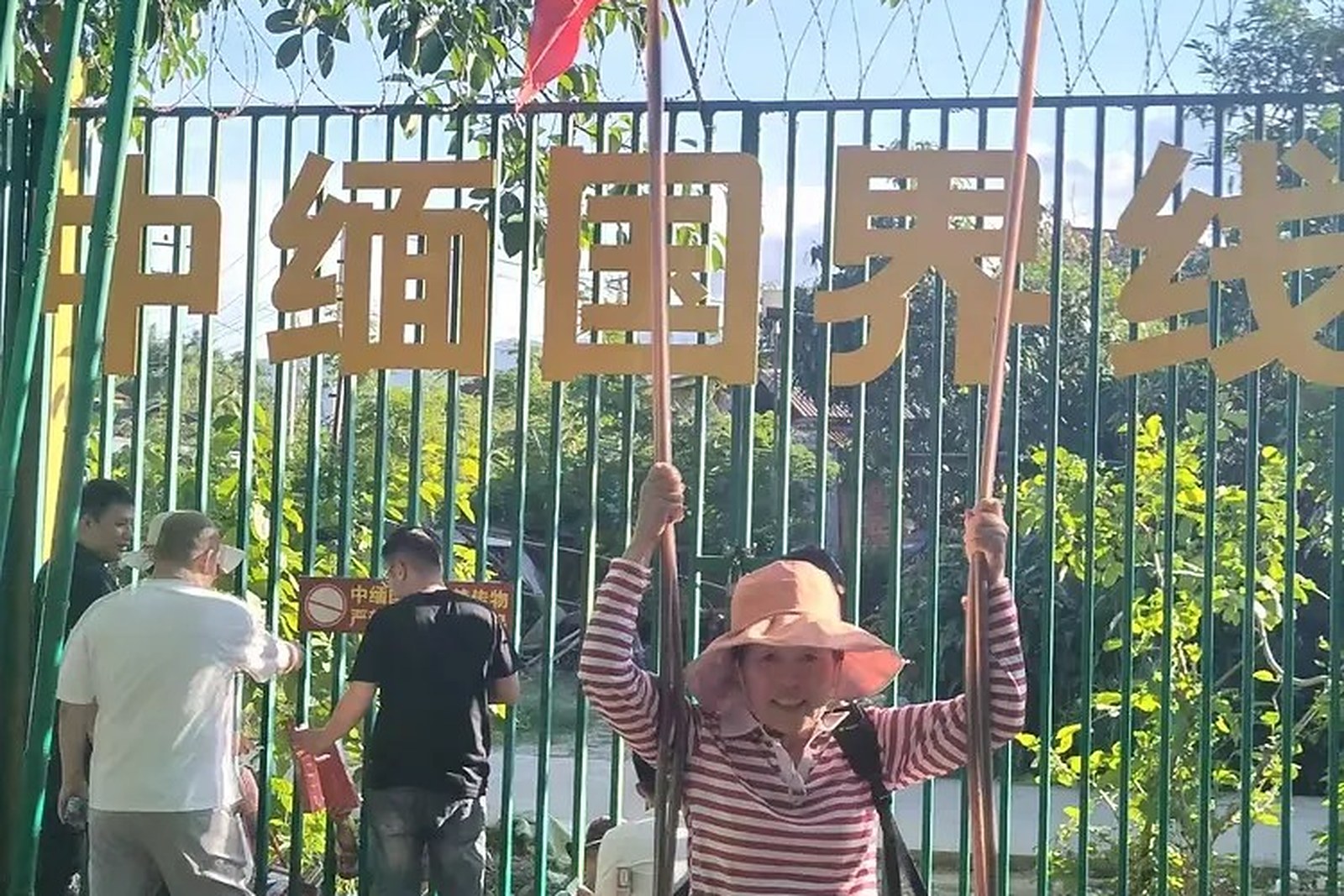
一寨两国 Yīzhài Liǎngguó One Village Two Countries is, quite literally, a single 傣族 Dǎizú Dai village cut in half by the international boundary, sitting in 姐相镇 Jiěxiàng Zhèn Jiexiang Town just southwest of 瑞丽 Ruìlì Ruili, where the 国境线 guójìngxiàn border line runs through the gardens, the rice fields and the front yards of people who have always lived as one neighbourhood. The Chinese side is 银井寨 Yínjǐng Zhài Yinjing Village; the Myanmar side is 芒秀 Mángxiù Mangxiu, and the two are so intertwined that a 界碑 jièbēi boundary marker – the famous China–Myanmar 71号界碑 71 Hào Jièbēi Boundary Marker No. 71 – stands in what feels like the middle of a courtyard rather than at a frontier. The village’s whole charm is this everyday absurdity: a 水井 shuǐjǐng well that both sides draw from (“one well, two countries”), a banyan tree whose trunk sits in China and whose canopy shades Myanmar (“one tree, two countries”), and, the set piece, a 秋千 qiūqiān swing – the 一秋荡两国 yī qiū dàng liǎng guó “one swing, two countries” – whose seat crosses the line as you kick off. It is a 边境 biānjìng border novelty dressed up as a folk attraction, and for what it is, it is genuine: the Dai on both sides really are kin, and the line really does run through the furniture.
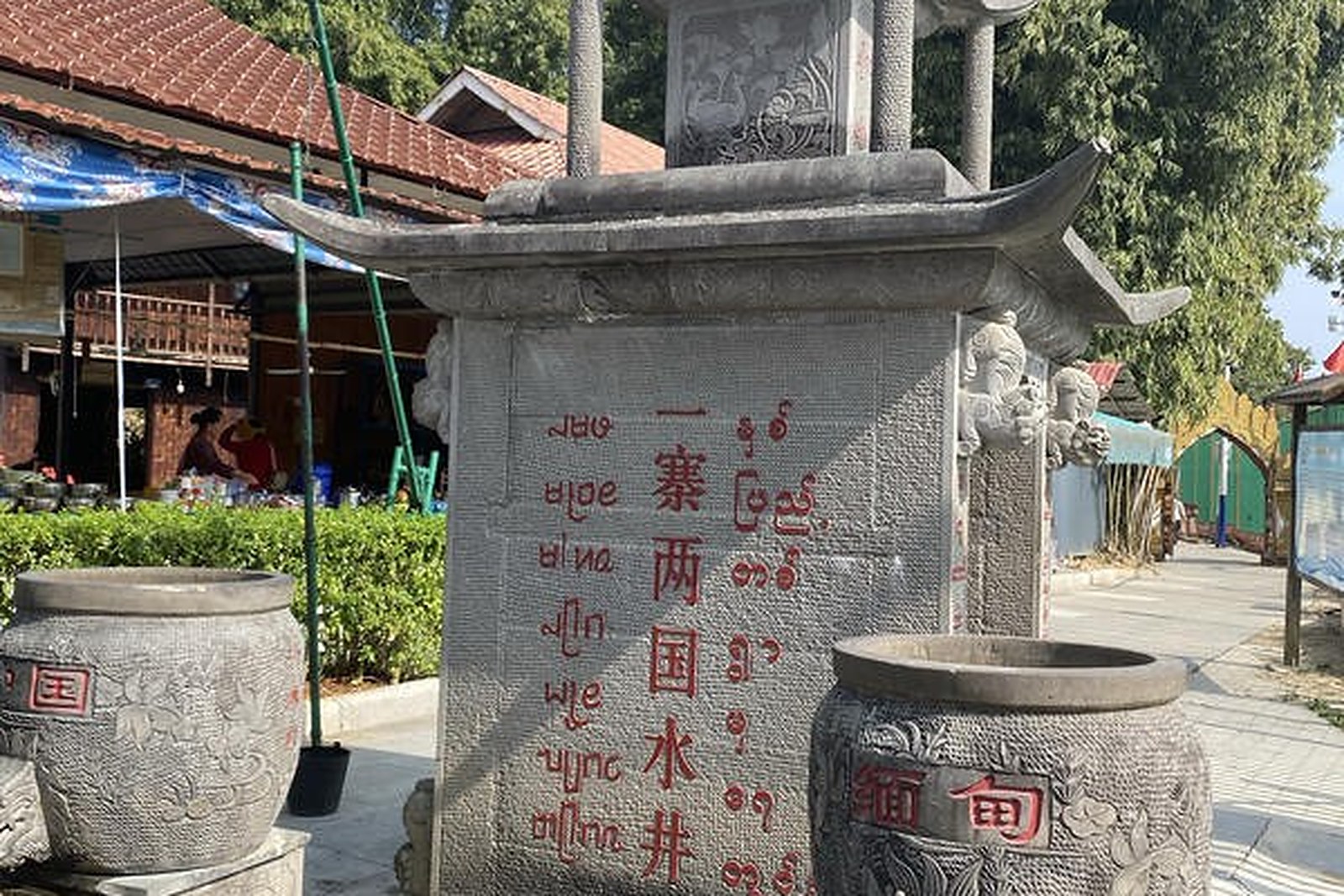
The honest grade is a small paid scenic spot, badged by most platforms as a national 3A or 4A (worth confirming which, because the listings disagree) with a ticket of about 40 yuan (worth confirming – the Ruili-border stay file quotes the same 40, but the village has been known to bundle a guide or a temple donation). Getting here is the easy part of the 德宏 Déhóng loop: from 芒市 Mǎngshì it is roughly 1.5 hours west by road (worth confirming the shared-van situation), and from 瑞丽 Ruìlì town barely 20-30 minutes; inside the village you walk, because the whole thing is a few hundred metres of lanes, 竹楼 zhúlóu bamboo houses and a small 佛寺 fó sì temple. There is also a 银井 Yínjǐng “national gate primary school” story – children from the Myanmar side legally cross each morning to study in China – which the ticket-holders are marched past as the human heart of the place, and which is the one detail that earns the village its sentimental reputation.
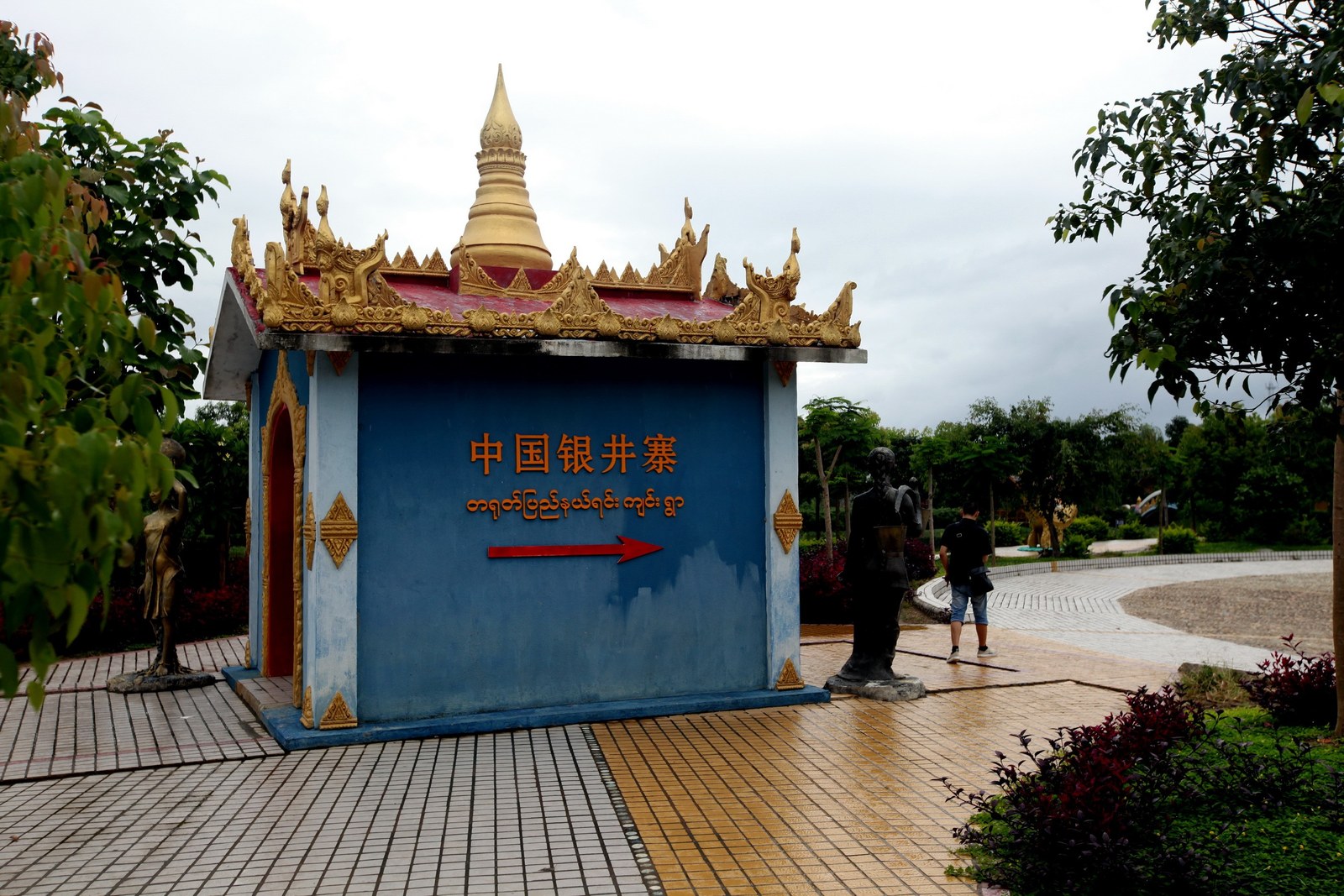
The wry take is that this is a 30-minute photo stop dressed as an hour-and-a-half excursion, and that is fine if you go in knowing it. What is overrated is the idea that you are visiting a “untouched border” – the lane is paved, fenced, and lined with 缅甸 Miǎndiàn Myanmar snacks, jade trinkets and the occasional 赌石 dǔshí “gambling stone” pitch that the stay file already warned is theatre. What is worth it is the swing photograph at first light before the coach crowds, the quiet of the real village behind the ticket turnstile, and the undeniable oddness of standing with one foot in each country. Watch the rules hard here: do not step across the 警戒线 jǐngjièxiàn warning line outside the marked swing, do not photograph the 姐告 Jiěgào gate or any military installation, keep your ID on you for the checks, and treat the kerbside currency changers and duty-free whispers as noise. Pair it with the free 弄莫湖 Nòngmòhú evening rather than spending a second ticket on the neighbouring border museums.
Practicalities
- Rating: A small cross-border Dai village attraction in 姐相镇 Jiěxiàng Zhèn, Jiexiang Town, southwest of 瑞丽 Ruìlì; most listings badge it 3A/4A (worth confirming the current grade).
- Tickets: About 40 yuan (worth confirming the details), sometimes bundled with a village guide or temple donation; the village walk itself is compact, 20-40 minutes of lanes plus the swing.
- Address: 银井寨 Yínjǐng Zhài, Jiexiang Town, Ruili, Dehong – about 20-30 minutes southwest of Ruili town and roughly 1.5 hours by road from 芒市 Mǎngshì (worth confirming the details); reached via the 瑞丽 Ruìlì prefecture bus or a hired car.
- Time needed: 1-2 hours counting the drive in from Ruili; the walkable core is 30-40 minutes. Treat it as a loop stop, not a destination.
Words and Names
一寨两国 Yīzhài Liǎngguó One Village Two Countries · the Dai hamlet split by the China–Myanmar boundary, the namesake attraction 银井寨 Yínjǐng Zhài Yinjing Village · the Chinese side of the split village, where the marker stands 芒秀 Mángxiù Mangxiu · the Myanmar side of the same village, across the line 姐相镇 Jiěxiàng Zhèn Jiexiang Town · the Ruili township that holds the border village 71号界碑 71 Hào Jièbēi Boundary Marker No. 71 · the China–Myanmar stone set in the village itself 国境线 guójìngxiàn border line · the international line running through yards and fields here 一秋荡两国 yī qiū dàng liǎng guó one swing, two countries · the border-crossing swing, the village’s photo set piece 傣族 Dǎizú Dai people · the ethnic group whose village this is, kin on both sides of the line 竹楼 zhúlóu bamboo house · the stilt dwellings of the Dai village lanes 赌石 dǔshí gambling stone · the jade-stone hustle sold as theatre near the gate 弄莫湖 Nòngmòhú Nongmo Lake · the free Ruili evening quarter, the better hour than a second ticket
flowcloud would say that 一寨两国 Yīzhài Liǎngguó is a 30-minute photo stop with a swing that crosses the line – 银井寨 Yínjǐng Zhài in China, 芒秀 Mángxiù in Myanmar, the 71号界碑 71 Hào Jièbēi standing in a courtyard – and that the honest move is the dawn swing shot, one foot in each country and out, because the lane behind the turnstile is real but the jade pitches are theatre and the coach crowds arrive by ten. All checked October 2026.
Getting there: 姐相乡 Jiěxiāng Xiāng, south of 瑞丽市 Ruìlì Shì – the border settlement of 银井 Yínjǐng / 芒秀 Mángxiù about 11 km and 20 minutes from 瑞丽 Ruìlì city by taxi or the county bus, with 71 号界碑 71 hào jièbēi Marker 71 on the lane between the two countries (worth confirming the current ticket and the swing hours); the honest plan is an afternoon paired with the 姐勒 Jiělè golden pagoda on the way back. All checked October 2026.