
Yongding Bridge: The Road Crossing Over the Yongding River, a Working Span Where the Old Flood-Water Meets the New District in Daxing District, Beijing
永定河上通途阔,一桥横锁旧波痕。Yǒngdìng hé shàng tōngtú kuò, yīqiáo héng suǒ jiù bōhén – On the Yongding River the way lies wide open; a single bridge stretches across and locks the old traces of the waves.
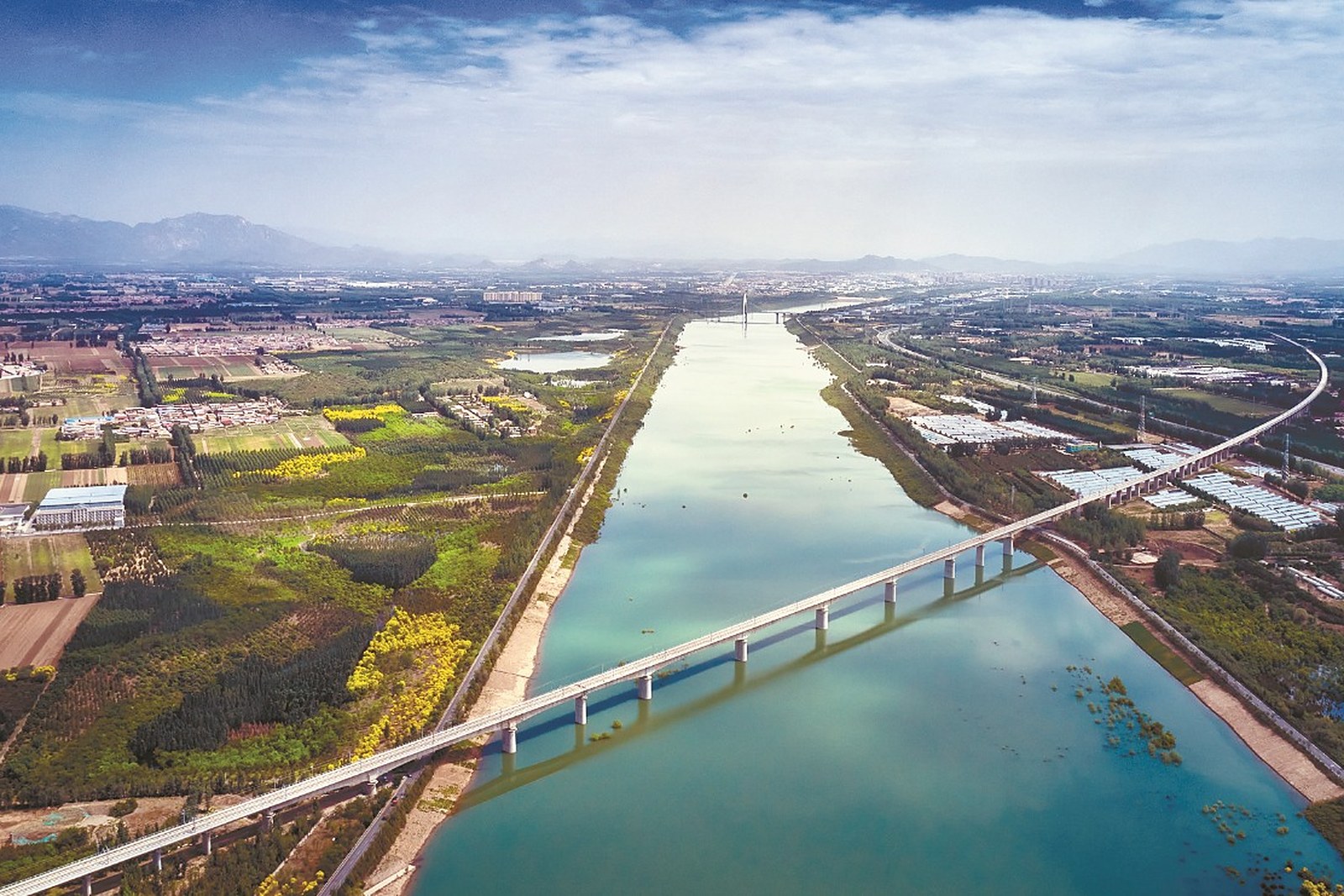
永定桥 Yǒngdìng Qiáo Yongding Bridge is not a landmark with a plaque crowd — it is, plainly put, the road’s answer to a river that spent centuries refusing to be answered: a working crossing over the 永定河 Yǒngdìng Hé Yongding River in 大兴区 Dàxīng Qū Daxing District, carrying traffic where the water once decided its own schedule. The river’s name is the whole story in miniature — 永定 yǒngdìng means “permanently settled,” a wish the imperial courts kept re-cutting into stone because the Yongding was famously the opposite, a silt-heavy, flood-prone water that shifted course and took villages with it. The bridge you cross is part of that long negotiation: a broad, unadorned span doing the one job a bridge does, letting the district’s roads pass over the channel that used to stop them. What you actually visit is a piece of infrastructure with a view, not a monument you queue for.
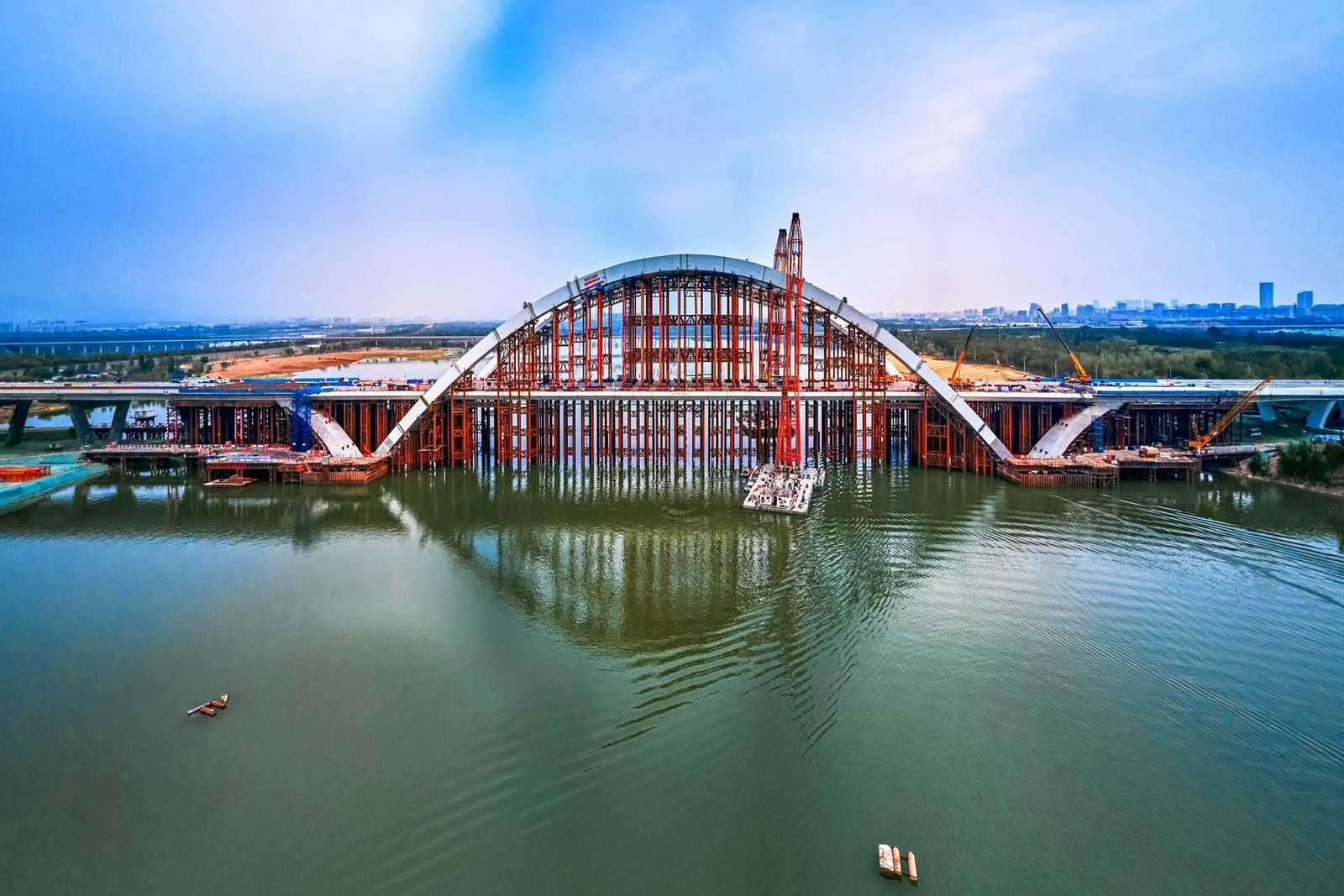
Call it honestly: there is no ticket and no gate, so the only cost is the detour to get a good look, and the honest warning is that the reward is a view, not a destination (worth confirming the details for current road names, any pedestrian access points and parking options). The best moment is low sun, when the water goes long and silver and the far bank softens, and the best season is autumn, when the banks clear and the river reads true. Weekday evenings catch the commuter light on the deck, and a dry spring morning gives the clearest view of the channel below. Give it twenty minutes to half an hour for the crossing and the look, and pair it with a longer stop elsewhere on the district list.

The honest star is the geography lesson written in the water — the wide, braided channel of a river that was tamed by engineering rather than left alone, the embankments and spillways that say “we stopped the floods” (worth confirming the details for which flood-control works sit beside the crossing on your day). What gets oversold is the word “bridge” read as a scenic arch or a lit-up night attraction: this is a functional span, and its interest is in what it crosses, not in itself. What repays the effort is the sense of scale — a district that now spreads south of the water still carrying the old fear of it in its name, and a bridge that quietly holds the two halves together. Come for the layering of the place: deck, then water, then the far bank.
The self-aware postscript: I watched a fisherman cast from the embankment below the deck, and when I asked whether the river still flooded he said, “it doesn’t anymore — but we still say 永定 yǒngdìng, ‘permanently settled,’ because a name like that is cheaper than a wall”. That is the visit in miniature. 永定桥 Yǒngdìng Qiáo suits whoever treats it as a working crossing with a view first and a photo run second, and exhausts anyone expecting a decorated arch or a night-light show. Everything else on this Daxing list lies within the same district: the Tang-lineage 大兴善寺 Dàxīng Shàn Sì Daxingshan Temple in the old town, the urban lake of 大兴公园 Dàxīng Gōngyuán across the new centre, the village lanes of 古城村 Gǔchéng Cūn nearby, and the starfish terminal of 北京大兴国际机场 Běijīng Dàxīng Guójì Jīchǎng at the district’s southern edge — all in the same 大兴区 Dàxīng Qū that named a restless river “permanently settled” and built a bridge to prove it.
Practicalities
- Rating: ★★★☆☆ — a working river crossing with a genuine view; the low-sun light on the channel and the flood-control works outrank the deck itself; go at dusk, go briefly.
- Tickets: Free, no gate or ticket, with pedestrian access and parking depending on the road layout (worth confirming the details for current road names, access points and parking options).
- Address: 永定桥 Yǒngdìng Qiáo Yongding Bridge, over the 永定河 Yǒngdìng Hé Yongding River, 大兴区 Dàxīng Qū, Beijing — the district’s road crossing of the river.
- Time needed: Twenty minutes to half an hour for the crossing and the look; add time for the embankment walk.
Words and Names
永定桥 Yǒngdìng Qiáo Yongding Bridge · the road crossing over the Yongding River 永定河 Yǒngdìng Hé Yongding River · the silt-heavy, flood-prone water of the name 永定 yǒngdìng permanently settled · the wish the river’s name keeps repeating 河道 hédào river channel · the wide, braided water below the deck 堤防 dīfáng levee and flood defences · the works that hold the river in line
flowcloud would say that 永定桥 Yǒngdìng Qiáo is a district’s quiet proof against a restless river — a broad working span over the 永定河 Yǒngdìng Hé in 大兴区 Dàxīng Qū, named for the 永定 yǒngdìng “permanently settled” wish the courts kept re-cutting into stone, its real interest in the wide channel and the flood-control works beside it — and that the honest move is a low-sun crossing when the water goes silver, because the bridge is free and open but the light does the work (worth confirming the details for access points and parking), the decorated-arch hope is the poster half and the long quiet channel is the real half, and the crossing repays whoever lets the river set the pace. All checked October 2026.
Getting there: Self-drive is the honest best option: take the 京开高速 Jīngkāi gāosù G3 or the 京台高速 Jīngtái gāosù G3 corridors toward the river and follow the signed crossing to 永定桥 Yǒngdìng Qiáo, with the 大广高速 Dàguǎng gāosù G45 giving an alternative approach (worth confirming the details for current road names, access points and parking); by transit, metro Line 4 大兴线 Dàxīng Xiàn into the district plus a local bus or taxi toward the riverbank covers the final leg. All checked October 2026.