
永乐群岛 Yǒnglè Qúndǎo, the Yongle Islands, lie in the south-west of the 西沙群岛 Xīshā Qúndǎo, the Xisha Islands, and take their name from the atoll at their centre. The group was named in 1947 to recall the Ming voyages of Zheng He’s fleet in the islands of the South China Sea, and the 永乐环礁 Yǒnglè Huánjiāo, Yongle Atoll, is its main body, with North Reef to the north, Huaguang Reef a little south of centre and Zhongjian Island far to the south-west. The management committee for the group sits on 晋卿岛 Jìnqīng Dǎo, Jinqing Island. Three of its islets are the ones an ordinary visitor hears about – 全富岛 Quánfù Dǎo, Quanfu Island; 鸭公岛 Yāgōng Dǎo, Yagong Island; and 银屿 Yínyǔ, Yinyu – and they belong in one piece, because they are three different ways of being a sandbar on the same reef.
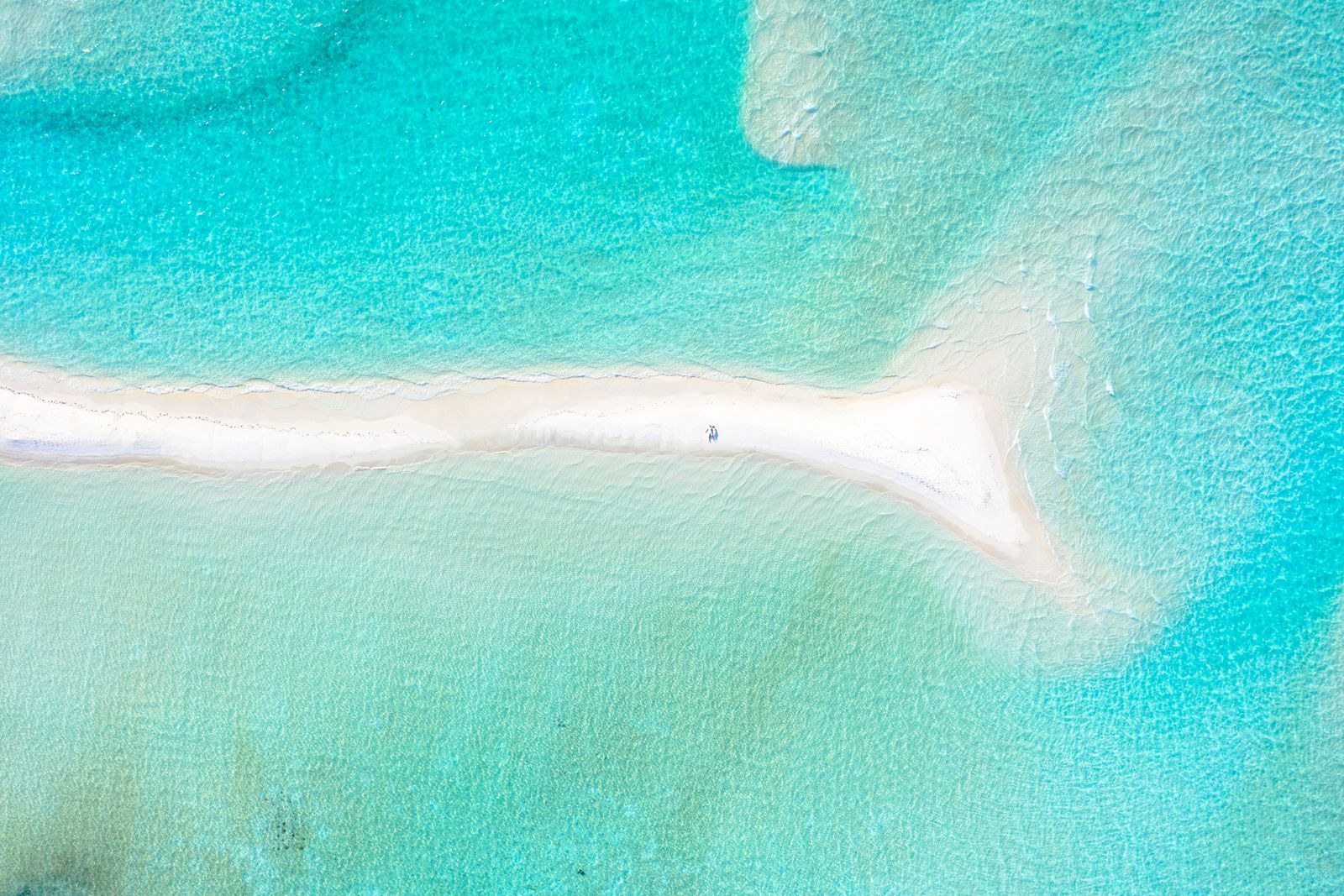
Quanfu is the empty one. It sits on the northern rim of the atoll, about three nautical miles from Yagong, and it is uninhabited and named for the richness of the fishing around it. The water is so clear that the seabed reads through it, and the sand is the finest of the Xisha’s open islands – fine enough that walking it barefoot is the standard comparison. There is no vegetation and no fresh water, only a small building and a flagpole, and a collective flag-raising is part of the day for the groups that land. Its size is recorded differently by different sources, one giving a length of 360 metres and another 450, so the honest description is a low sandbar barely a metre above the tide and a few hundred metres from end to end. In 1974, porcelain from the Qing reigns of Jiaqing and Daoguang was found on its reef flat, which places this thin white strip on a far older map than its emptiness suggests.
Yagong is the built one. The whole island is a heap of small coral rock and shell rather than sand, about nine to ten thousand square metres of it, with a small lake that rises and falls with the tide. It is inhabited, and the fishermen’s huts stand shoulder to shoulder in a single line in the central hollow, their roofs weighted with heavy coral stone against the wind – a detail that says more about life out here than any photograph. The greening came late and on purpose: in 2003 the island had a single tree, and after Sansha was established the authorities shipped in coconut coir and sand to make soil, ran fresh water out to it and screened for a species that would take, settling on the 步麻树 bùmá shù, the buma tree, of which more than 150 now stand. On 2 January 2014 Yagong ended its dependence on rainwater and on water ferried out by supply boat when it became the fourth Xisha islet to install a desalination unit. The folk explanation of the name is that the island once held only men and that its shape resembles a duck; that is a story, and it is left as one.
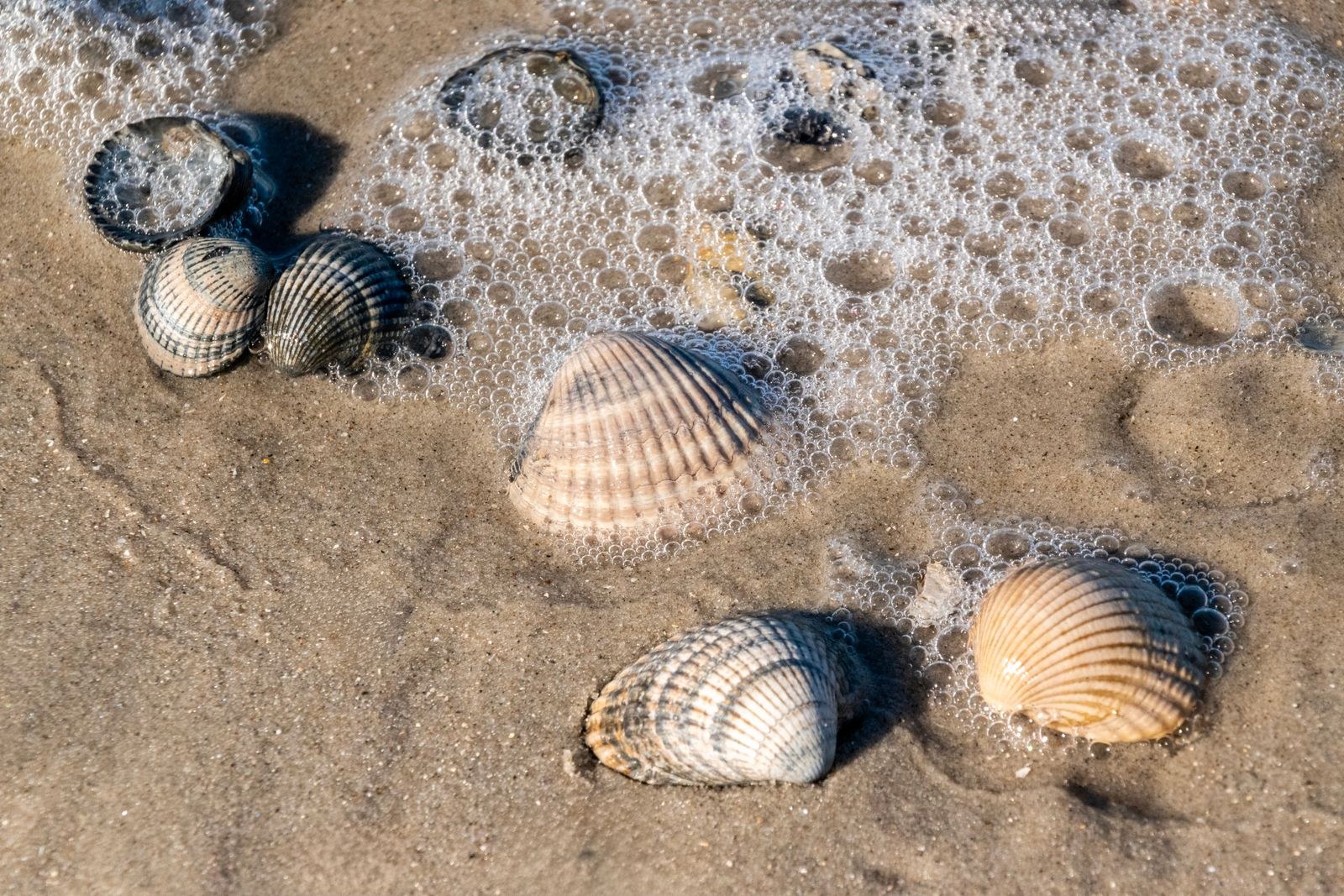
Yinyu is the divided one. One flank of it is covered in coral sand and the other is a gentle reef flat in shallow water, and its middle is slightly hollowed, like a shallow dish, with sparse grass over the ground. It stands just over two metres above the sea and covers a little more than ten thousand square metres, on a crescent-shaped reef some fifteen kilometres long and 1.4 kilometres wide at its broadest. It is the bird island of the three, with black-naped terns, great crested terns and sooty terns settling there in numbers, which is why the city’s own account calls it a kingdom of gulls. The story of the name – that silver was dug up here in the Qing period, or left behind by a wreck – is a legend and is best told as one. So is the deep pit on the inner edge of the reef, its water blue-black and seemingly bottomless and colder than the water around it; fishermen call it the dragon pit, and no measured depth has been published.
What you actually get is decided on the day. The cruise fixes which islets are landed, in what order and for how long, and the usual window ashore is about one and a half to three hours, with the ship waiting in deeper water and no possibility of staying overnight. Sea state and island management can strike a name off a given sailing, so do not count on a fixed three. The reef asks for care: swim only inside the zone your guide marks, wear a life jacket and water shoes, and never stand on living coral; shells, coral and sand may not be taken away; drones are not allowed ashore. On Yagong the fishermen’s seafood stalls have been known to take cash only, so carry some. These are the reefs that Tanmen fishermen mapped in their genglubu centuries ago; the museum on Hainan’s east coast keeps the books, while the islets themselves are out here.
Practicalities
Tickets. There is no separate ticket for any islet. Landing permission, the tender transfer, the island environmental fee and marine insurance sit inside the cruise fare, and only optional extras such as snorkelling or sea fishing, roughly 300 to 500 yuan in 2026 platform snapshots, are paid on the spot. As of October 2026, subject to change.
Opening hours. Hours here mean the sailing. The ship lands by day in batches and returns to open water for the night, and the time actually spent ashore on an islet is usually one and a half to three hours, varying by islet and by operator. Nobody stays on an islet overnight.
Closing day. There is no fixed closed day, but landings are the least predictable part of the trip: sea state and island management can drop a name from a sailing, and in past seasons a change in conditions has left fewer islets available than the itinerary suggested. Confirm the list at boarding.
Getting there. The only way in is the Xisha cruise from Sanya Phoenix Island International Cruise Port, followed by a tender transfer from the ship to the islet. There are no vehicles, no sightseeing carts and no electric buggies on the islets; everything is done on foot, so bring shoes that can get wet.
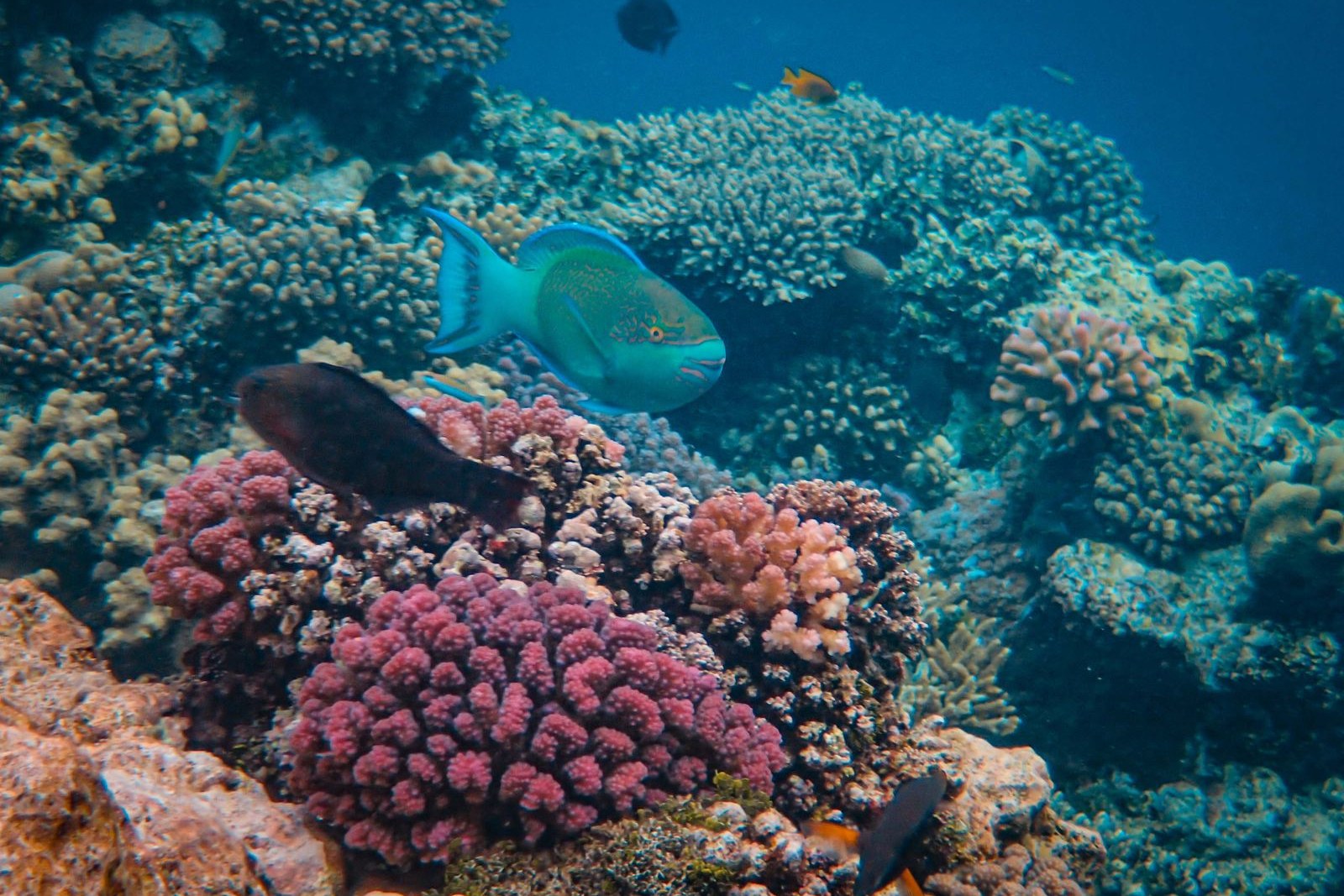
flowcloud would say that the Yongle islets are three answers to the same question – one keeps nothing but sand, one keeps everything a family needs, one keeps its two halves apart – and that a reef which makes three such different islands has already made the argument for leaving it alone.
Getting there: The Yongle islets – Quanfu Island, Yagong Island and Yinyu – lie on the Yongle Atoll in the south-west of the Xisha Islands, Hainan, and are reached only by the Xisha cruise from Sanya Phoenix Island International Cruise Port with a tender transfer to the beach; there is no ticket for any islet, the fare covers permits, tender, environmental fee and insurance, time ashore is usually one and a half to three hours by day with no overnight stay, which islets are landed is decided per sailing by sea state and island management so no fixed three can be counted on, and there is no fixed closing day (checked October 2026, subject to change).