
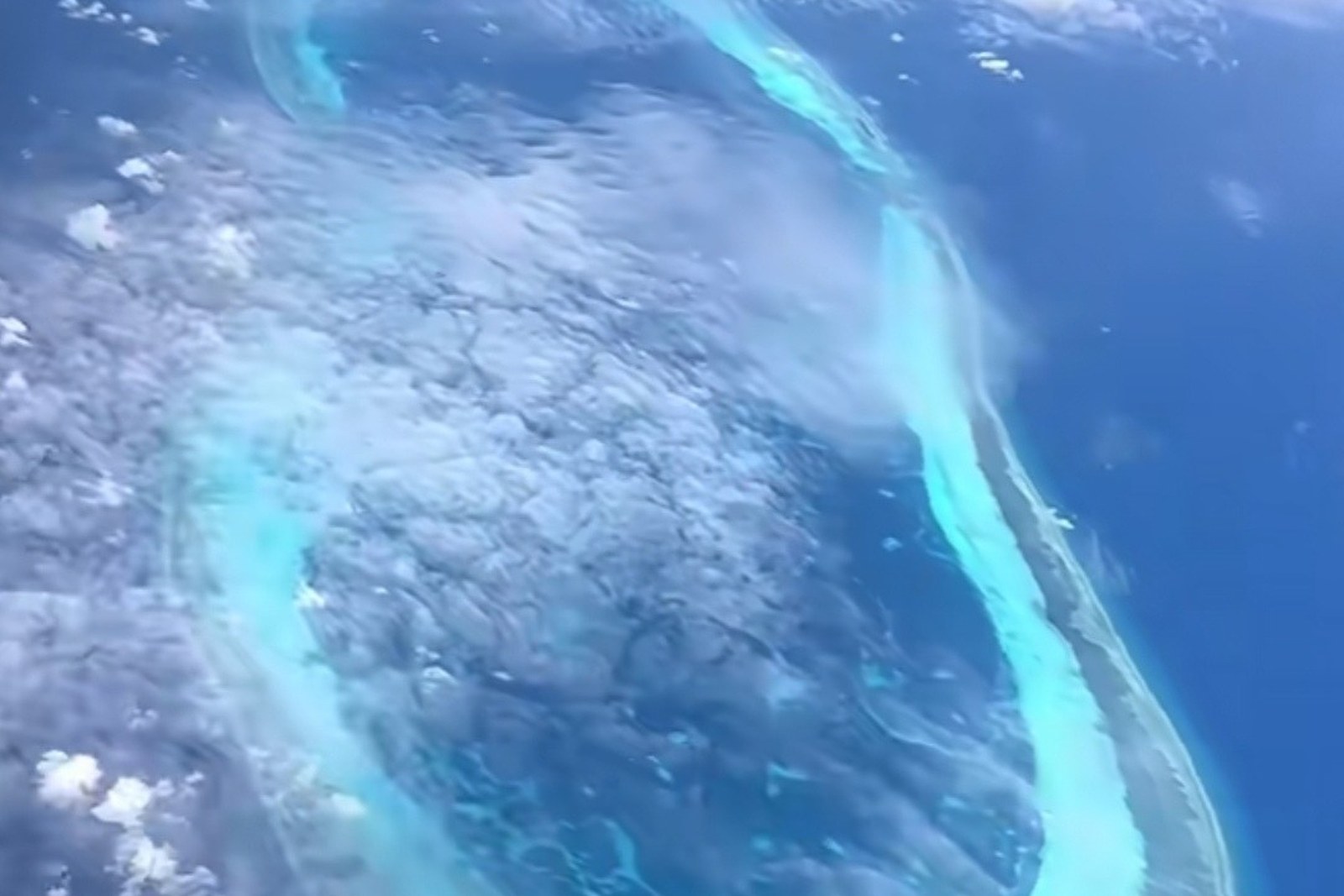
永兴岛 Yǒngxīng Dǎo, Yongxing Island, is the seat of the 三沙市 Sānshā Shì, Sansha, municipal government and of the government of the 西沙区 Xīshā Qū, Xisha District. It lies on the Xuande Atoll in the eastern Xisha Islands, a sandy coral island roughly elliptical in shape, ringed by coral sand ridges with a shallow depression in the middle where a lagoon once dried out, and its average elevation is about five metres. The name is not old in the way the island is: fishermen knew it by other names, and in 1946, when the Chinese navy’s ship Yongxing took over the Xisha Islands, the island was renamed for the vessel. That is the whole of the naming story, and it explains why an ordinary-looking coral cay carries an administrative weight far beyond its size. What follows is the honest version of a place almost no one reading this can visit.
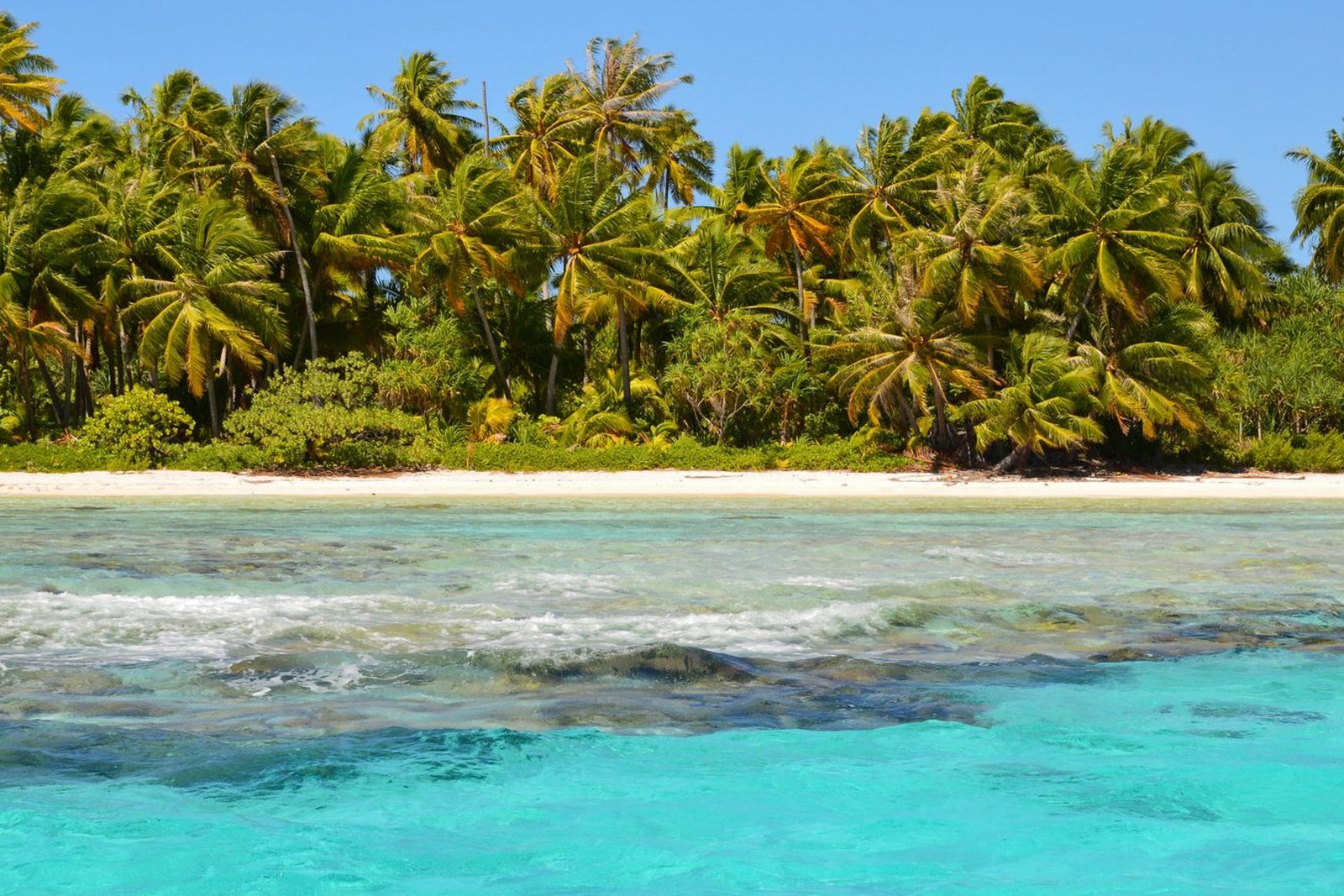
The island is small and full. Reckon it at roughly two to three square kilometres, though the recorded figure has moved over the years as land reclamation extended it and as surveys differed over whether the adjoining Shidao is counted – sources give anything from 1.85 to 3.2 square kilometres, and the spread is a matter of method rather than of argument. A resident population of only about 2,200 to 2,500 lives here, according to the city’s own figures and later statistical ones, and yet the amenities are those of a working town: a hospital, a library that opened in 2018 as the southernmost public library in China, a desalination plant, a commercial centre that opened at the end of 2025, and the 永兴学校 Yǒngxīng Xuéxiào, Yongxing School, which opened in December 2015 and ended the city’s history of having no school at all. The school cost more than 36 million yuan, covers 4,650 square metres and combines teaching rooms, an archive and an underwater archaeology centre; it takes the children of residents and of the people posted to the island, from kindergarten through primary years and into vocational training.
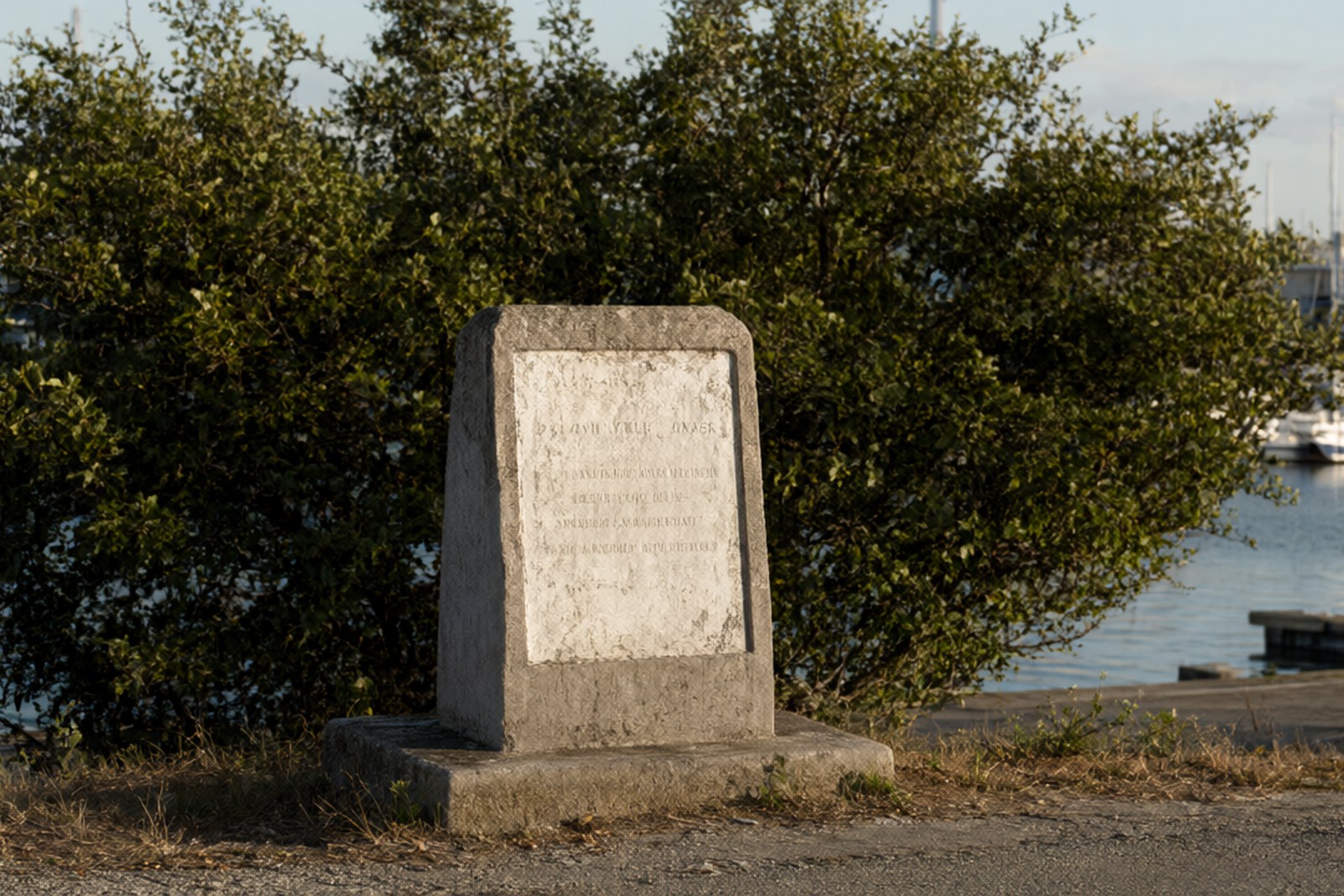
Two markers carry the weight of the place. The first is the Monument to the Recovery of the Xisha Islands by the Chinese Navy, which stands in a grove about three hundred metres east of the harbour. It was erected in November 1946, when the Chinese navy, on behalf of the central government, took over the islands of the South China Sea, and it is a concrete stele built under the direction of an officer named 张君然 Zhāng Jūnrán, its face bearing the four characters usually rendered as the southern sea’s protective screen and its reverse carrying the monument’s name and date. The present stone was re-erected in March 1948. Sources differ on whether the stone was set in place on 24 November 1946 or unveiled on 29 November, so the safe statement is simply that it was erected in November 1946; no national or provincial heritage listing for it could be confirmed, so none is stated here. The second marker is the city’s name stone at the fishing wharf, cut from more than sixty tonnes of yellow wax stone and measuring 6.0 metres long, 1.3 wide and 5.5 high. Its face carries the name of the People’s Republic of China, Hainan Province and Sansha City together with a map of the islands of the South China Sea, and its reverse carries the Record of the Establishment of Sansha City, a 169-character inscription that opens with the old names Chinese navigators gave these waters. The stone was unveiled on the morning of 24 July 2012, the day the city was formally inaugurated, after the State Council approved its establishment on 21 June that year.
Here is the part that shapes everything else. Yongxing Island is not open to ordinary visitors. The city government’s own advice service has answered the question plainly more than once: only people on official business may land on Yongxing. That is not a queue-management rule or a seasonal closure; it is the standing position, and no ticket, tour or booking changes it. Online travel platforms do carry entries for Yongxing Island and for the monument, some of them priced at 0.00 yuan, but those are automatic display entries generated from a map database rather than offers anyone can buy, and readings taken from a listing page are worth nothing here. If you want to see Sansha, the route the city’s own advisers point to is the Xisha cruise, which lands on the islets that are open and passes the rest at a distance.
So why write about a place you cannot go? Because the city is the point. Sansha is a prefecture-level municipality with a government, a school, a hospital, a library and a supermarket, sitting on a coral cay of about two square kilometres, home to two and a half thousand people at most, and unreachable without official business – and the contrast between the completeness of the town and the impossibility of visiting it is more interesting than any beach out here. Unlike the lighthouse capes elsewhere on this site, this island is not on anyone’s itinerary; it is where the government actually sits, in a city whose streets are shorter than its sea area by an unimaginable margin. Nearby 石岛 Shídǎo, Shidao, now joined to Yongxing, is a separate matter of geology and height, and it is not open either.
Practicalities
Tickets. There is no ticket and no channel through which to buy one. Yongxing Island is not open to ordinary visitors, and the city’s advice service states that only people on official business may land there. Listings that show the island at 0.00 yuan are map entries, not products.
Opening hours. Not applicable in any visitor sense. There is no opening time to publish, because there is no public access; entry for official or island-support purposes is arranged through the relevant channels rather than at a gate.
Closing day. No closing day, because there is no opening day. The practical substitute, and the one the city itself suggests, is the Xisha cruise from Sanya, which lands on the islets that are open to visitors and gives a view of the rest from the water.
Getting there. The island has an airfield, rebuilt and reopened on 22 December 2016, and a harbour able to take 5,000-tonne vessels, but both serve official, supply and island-support purposes and neither is a visitor route; ordinary travellers cannot buy a seat or a berth. For a trip to Sansha, take the Xisha cruise from Sanya Phoenix Island International Cruise Port.
flowcloud would say that Yongxing is the strangest kind of city – a full set of civic buildings on two square kilometres of coral sand, two and a half thousand residents, a school for the children who live there, and a locked door for everyone else – and that a place can be a seat of government and still be nobody’s destination.
Getting there: Yongxing Island is the seat of the Sansha municipal government and of the Xisha District government, on the Xuande Atoll in the Xisha Islands, Hainan, with the municipal advice service stating that it is not open to ordinary visitors and that only people on official business may land; there is no ticket, no public opening hours and no closing day because there is no opening day, the airfield and harbour serve official and island-support purposes only, and the practical substitute is the Xisha cruise from Sanya Phoenix Island International Cruise Port, which lands on the islets that are open (checked October 2026, subject to change).