
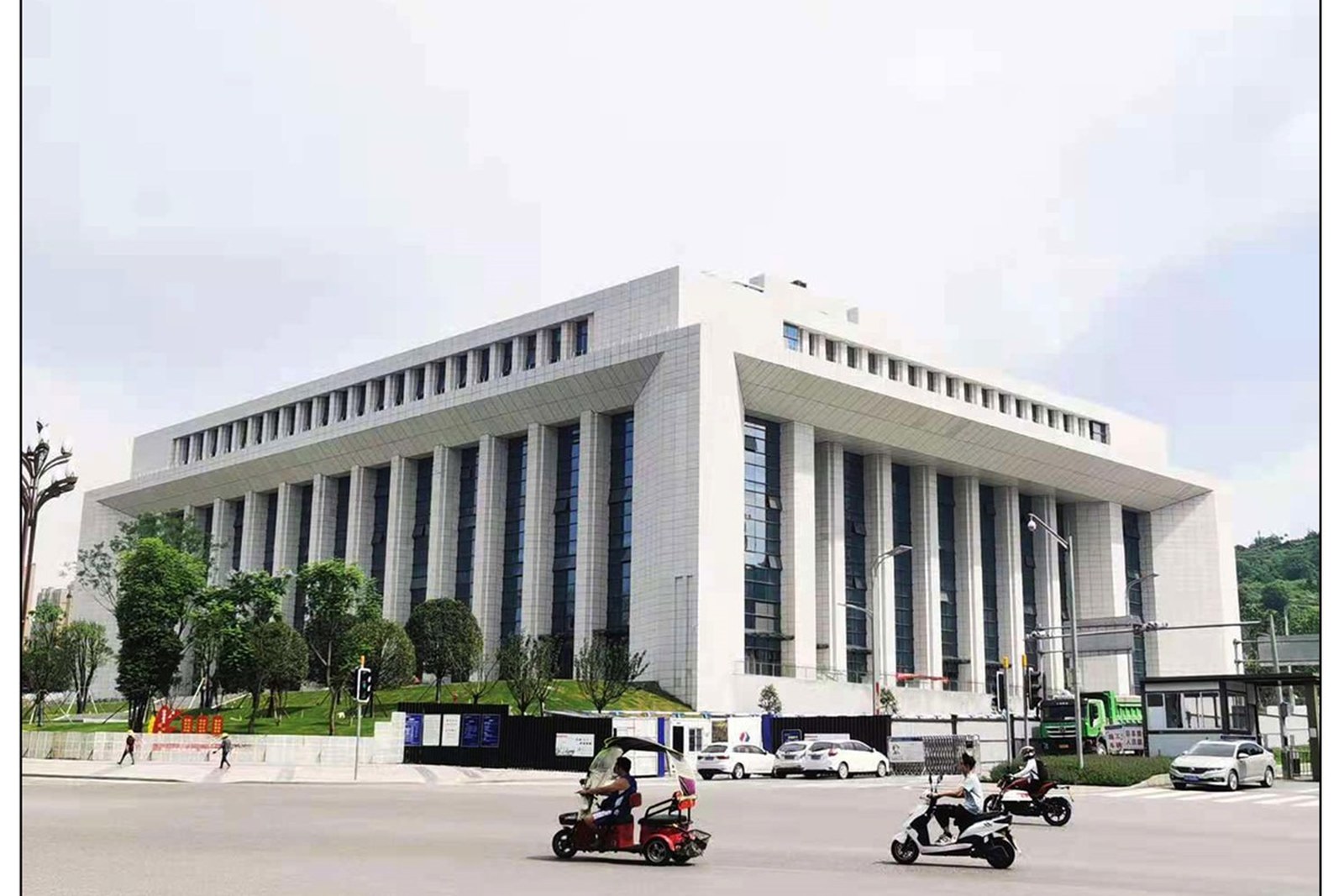
On 7 November 2025 the Chongqing municipal government published a document numbered 渝府发〔2025〕15号 and, in a single stroke, deleted a district that had existed for thirty-one years. 渝北区 Yùběi Qū, Yubei District, and 江北区 Jiāngběi Qū, Jiangbei District, were abolished, and a new first-level division, 两江新区 Liǎngjiāng Xīnqū, Liangjiang New Area, was created in their place. So the first thing to get straight when you read an address in the north of this city is that Yubei is a place-name before it is an administration, and has been since that November. The Ministry of Civil Affairs’ record of 2025 county-level division changes carries the entry, and the new area’s government is seated at 金渝大道 Jīnyù Dàdào 66 in the former district’s 金山街道 Jīnshān Jiēdào, while the old district’s organs keep working through the transition on a promise that services do not change.
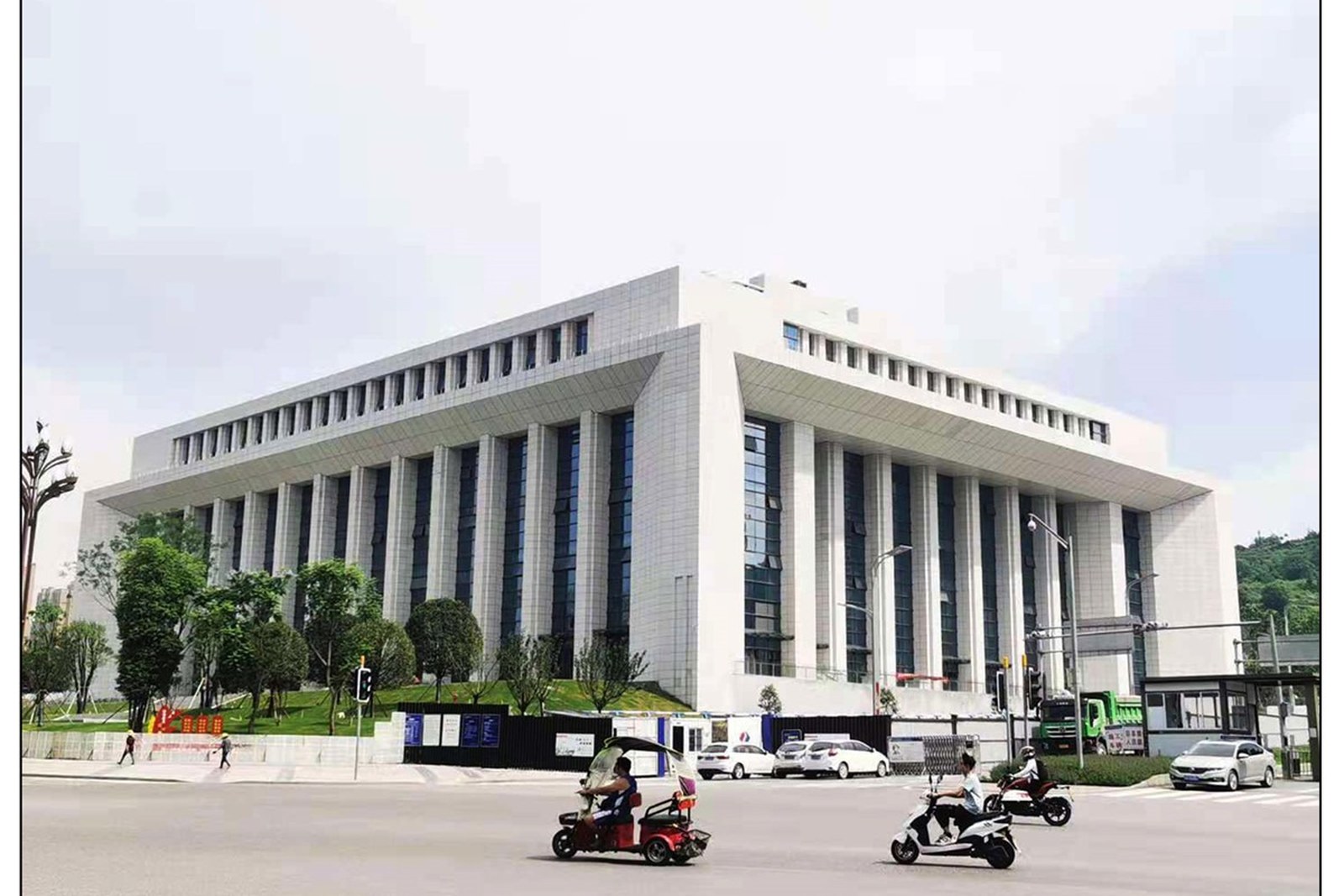
The new area’s territory is an assembly of three older ones. It takes the whole of the former Jiangbei District, the former Yubei less the five towns on its northern edge, and five subdivisions from Beibei District: 水土街道 Shuǐtǔ Jiēdào, 复兴街道 Fùxīng Jiēdào, 蔡家岗街道 Càijiāgǎng Jiēdào, 施家梁镇 Shījiāliáng Zhèn and 童家溪镇 Tóngjiāxī Zhèn. The five towns that left – 大湾镇 Dàwān Zhèn, 统景镇 Tǒngjǐng Zhèn, 大盛镇 Dàshèng Zhèn, 兴隆镇 Xīnglóng Zhèn and 茨竹镇 Cíbú Zhèn – went to Beibei, which is where the hot spring on the Yulin now is. After the change Chongqing administers 25 districts and four autonomous counties, with Liangjiang New Area at 31 subdistricts and 11 towns, about 1,360 square kilometres and 3.52 million people.
The name is the easy half, and the history behind it is the interesting half. 渝 is the short form of 重庆, which the records give in turn as 江州, 巴郡, 楚州, 渝州 and 恭州, until 581, when the Sui court renamed Chu prefecture to Yu prefecture and the abbreviation was fixed. Yubei means simply north of the city: the part of Yuzhou that lay to the north of it. The district bearing that name was created on 17 December 1994 out of 江北县 Jiāngběi Xiàn, Jiangbei County, and the version of it that became Yubei had been drawn in 1759, when six upper divisions of Ba County were transferred north of the river – the 江巴分治, the Jiang-Ba partition, which is where the district museum’s permanent history exhibition begins. Before the change Yubei governed 19 subdistricts and 11 towns across 1,452.03 square kilometres, with 2.2892 million residents at the end of 2024.
Geographically it was never one place, and the map is the reason the boundary could be redrawn without absurdity. The old district ran along three parallel ridges, 龙王洞 Lóngwángdòng, 铜锣 Tóngluó and 明月 Míngyuè, with the Yangtze and the Jialing on either side and the Yulin and the Hou rivers running through the middle, its highest ground the 1,421-metre ridge on Huaying Mountain, the highest point in the city proper. Three trunk roads went north out of it, toward Changshou, Linshui and Hechuan, and a preliminary count put 38 of the central city’s 65 listed fortified villages inside its bounds. For anybody actually travelling here the consequence is duller and more useful: the resort on the Yulin that was Yubei’s until 7 November 2025 is in Beibei.
Practicalities
Tickets. Nothing here is ticketed, because this is an article about a line on a map and a document in a register, and neither charges admission. The practical items that follow from the reorganisation are documentary: there is no single Yubei district government website to point a traveller at any more, so the offices that used to answer queries about this territory are now split between the Liangjiang New Area administration and the Beibei District one, and the two documents worth having are the municipal announcement of 7 November 2025 and the Ministry of Civil Affairs’ entry for 2025.
Opening hours. There are no visiting hours to give, because the subject is an administration and not a site. What has hours are the offices, where government counters and service windows work a normal working week. What matters practically is when the registers change rather than when a desk opens, and the register that governs this one is the county-level division list, republished as codes are issued.
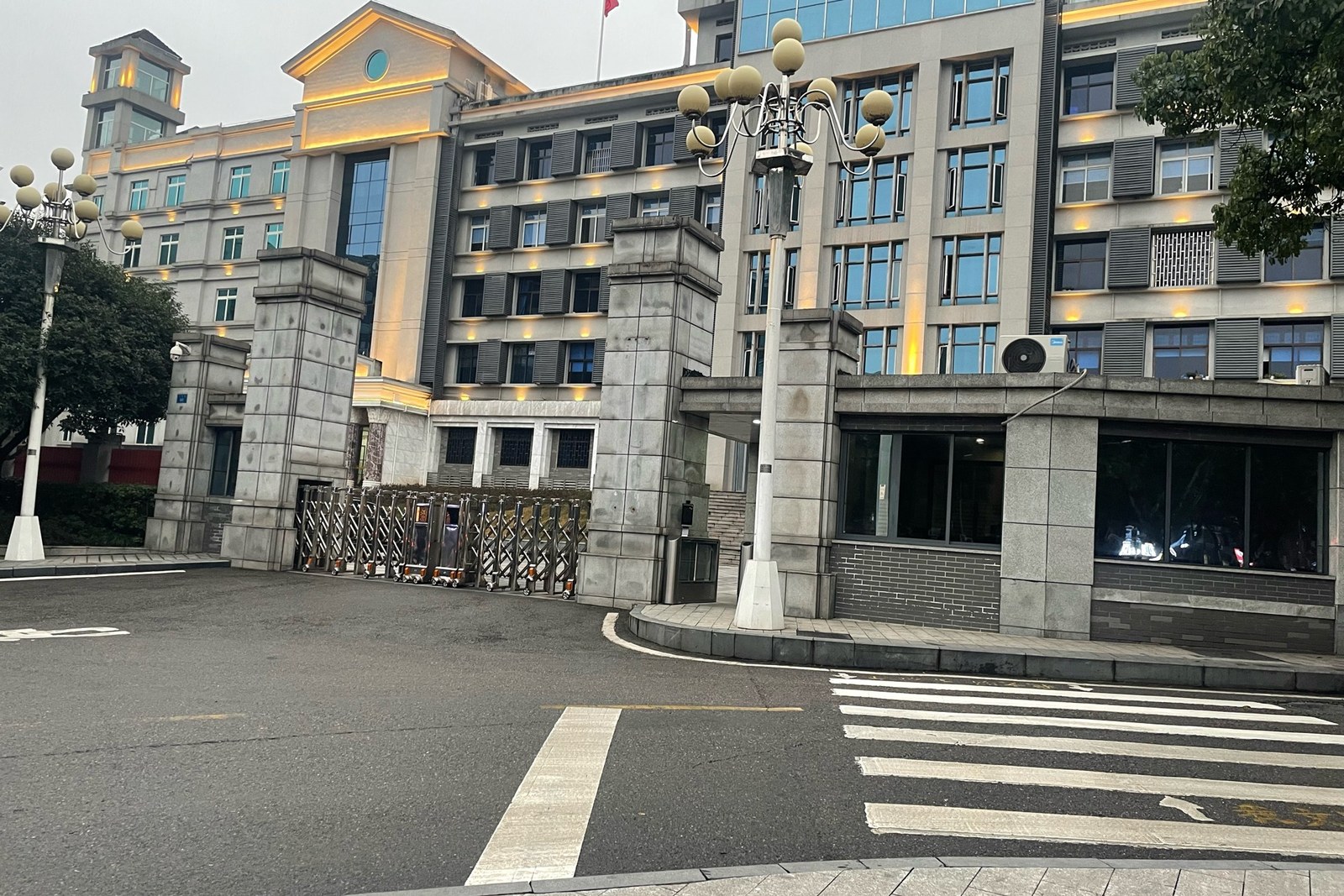
Closing day. There is no closing day for a district boundary, and the honest statement is the structural one: the abolition is done, the successor body is constituted, and what remains open-ended is the paperwork, because the old bodies continue in a transitional capacity. For the traveller the version that matters is negative – there is no Yubei district to write to, and no district office at 两路 Liánglù that is still a district government, although the address on the building is still on the letters.
Getting there. The geography of the former district is not one destination but a corridor, and the three trunk roads are the honest way to read it: north-east toward Changshou, north toward Linshui, north-west toward Hechuan. Rail Transit Line 10 is the spine the area’s settlements grew along, running from 鲤鱼池 Líyúchí to 王家庄 Wángjiāzhuāng with 19 stations on its first phase, which opened on 28 December 2017, and taking in the airport’s two terminal stations and 渝北广场 Yúběi Guǎngchǎng. For the five towns that changed hands, Beibei is on Line 6 (checked October 2026, subject to change).
flowcloud would say that Yubei is the rare Chinese district name that has outlived its district, because the name is older than the administration and better known than it – the point on the map everybody says north of the city, kept in addresses and search results long after the register stopped printing it.
Getting there: the territory of the former 渝北区 Yùběi Qū, Yubei District, is now the northern part of 两江新区 Liǎngjiāng Xīnqū, Liangjiang New Area, in Chongqing, a municipality of southwest China, with the five northern towns of Dawan, Tongjing, Daxing, Xinglong and Cizhu transferred to Beibei District; before the change the district governed 19 subdistricts and 11 towns across 1,452.03 square kilometres, and it had been created on 17 December 1994 from Jiangbei County. There is nothing to visit and nothing to pay for, since this is a boundary and a document rather than a site, and there is no closing day; the ground itself is read on the three ridges – Longwangdong, Tongluo and Mingyue. Line 10, opened 28 December 2017, is the spine of the area, and Beibei is on Line 6 (checked October 2026).