
The Ark’s First Harbor: Yu Fangzhou’s Former Residence
廿八青春殉大道,一方庭院忆初心 Niàn bā qīngchūn xùn dàdào, yī fāng tíngyuàn yì chūxīn – At twenty-eight he gave his youth to the great cause; one courtyard keeps the first heart in memory
于方舟故居 Yú Fāngzhōu Gùjū stands in Biaokou town’s Jiefang village on the wetland’s south shore, in 天津市宁河区 Tiānjīn Shì Nínghé Qū Ninghe District – the boyhood home of the Communist movement’s earliest Tianjin organizer, a martyred provincial leader at twenty-eight, now the anchor of a 3.8-kilometer memorial route that walks visitors from his gate to the wetland shore. The house keeps the plain farmer’s footprint: grey brick, timber lintels, a reed-cutting family’s scale.
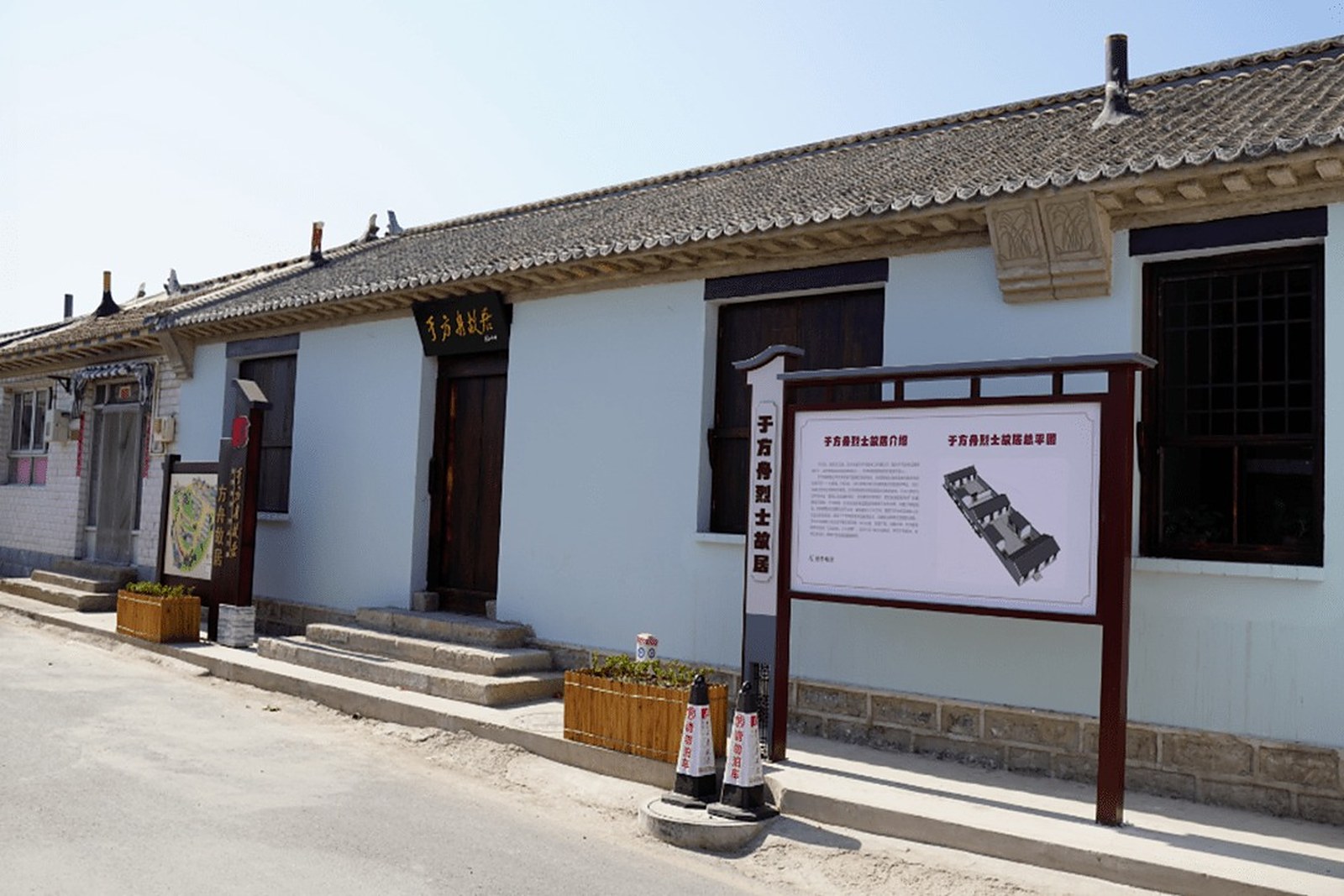
The rooms tell the short, fast life. Period furniture and family photographs hold the boy who walked to Lutai’s middle school, the student who organized Tianjin’s first cells, and the leader the province lost in the 1927 Yutian uprising. The display boards run bilingual summaries, and the courtyard well and kitchen keep the household’s own scale – this was a working reed family’s house, not a mansion.
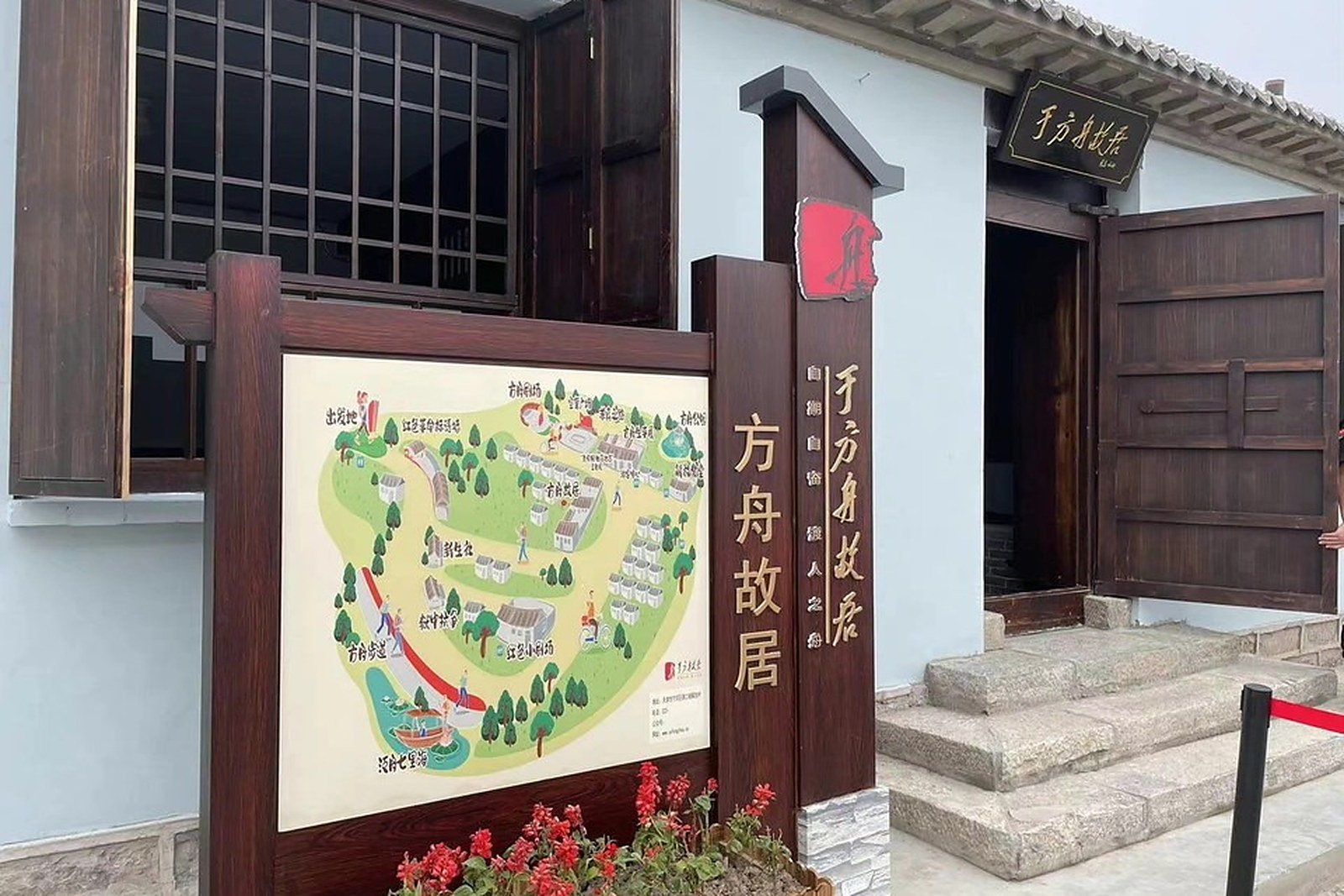
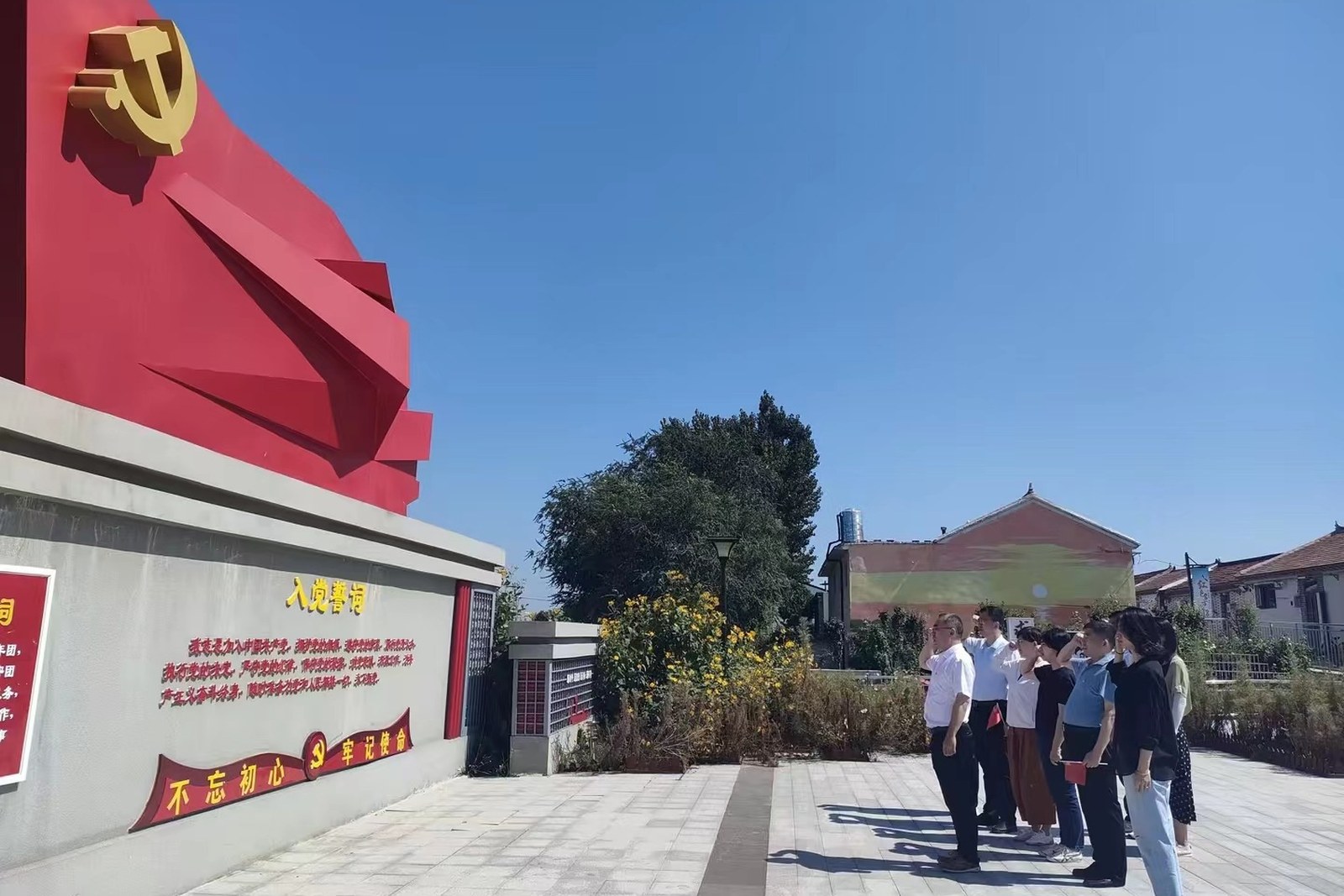
The memorial route is the modern addition. Red-flag walkways link the residence to an exhibition hall, a theater stage and a wetland landing called Floating the Ark, where the study route meets the reeds he rowed as a boy. School groups march it in season; solo visitors get the quieter reading – a young man’s route from mudflat village to provincial leadership in barely a decade.
The setting carries the meaning. The wetland horizon he grew up facing now hosts the birds and boardwalks of the Qilihai park, and the village around the house still farms the same black soil. The site works best as a half-day pairing: residence and exhibition in the morning, the wetland’s boardwalks after lunch, the whole arc of one life read against the landscape that raised it.
Practicalities
- The residence and exhibition hall are free; the memorial route is signed start to finish.
- School-group mornings pack the route on weekdays in spring and autumn; afternoons stay quiet.
- Pair with the Qilihai wetland gates a short drive north for the full “ark” itinerary.
- The village lanes are narrow – park at the route entrance and walk in.
Words and Names
于方舟 Yú Fāngzhōu Yu Fangzhou, the martyred revolutionary; 故居 gùjū former residence; 俵口镇 Biàokǒu Zhèn Biaokou town, his home village; 重走方舟路 chóng zǒu Fāngzhōu lù the “re-walking the Ark’s road” memorial route; 玉田暴动 Yùtián bàodòng the Yutian uprising that ended his life. Beyond the residence, the same 天津市宁河区 Tiānjīn Shì Nínghé Qū Ninghe District keeps more places worth the detour: 七里海国家湿地公园 Qīlǐhǎi Guójiā Shīdì Gōngyuán the great coastal wetland, 天尊阁 Tiānzūn Gé the Kangxi-era wooden pavilion, 芦台春创意文化产业园 Lútái Chūn Chuàngyì Wénhuà Chǎnyè Yuán the liquor-culture park, or 新天钢联合特钢工业旅游区 Xīn Tiāngāng Liánhé Tègāng Gōngyè Lǚyóu Qū the steel-works tour – four more doors into the same Ninghe District. Once the courtyard is behind you, our Ninghe food map fills the table.
flowcloud would say the Ark’s house is a story told in one room: a reed family’s son, a decade of organizing, and a memorial road that ends where the reeds begin. All checked November 2026.
Getting there: The residence fronts Biaokou town on the wetland’s western shore – follow the Fangzhou Road study-route signs from the county roads, park at the memorial square, and walk the exhibit stops in sequence; cohort mornings run fullest. All checked November 2026.