
中山影视城 Zhōngshān yǐngshì chéng stands at 85 Cuiheng Avenue in 翠亨村, 南朗街道, a few minutes’ walk from the Sun Yat-sen’s Former Residence Museum and one of the five core sights of the 5A Sun Yat-sen’s Hometown tourism area. It exists because of a television series: in 1998 the city’s tourism group and China Central Television put about 150 million yuan into a purpose-built set town for the biopic “Sun Yat-sen”, filming wrapped at the end of 2000, and the park opened to the public in 2001. The grounds run to about 300 mu, roughly 200,000 square metres – enough ground to hold several countries at once, which is exactly the point.
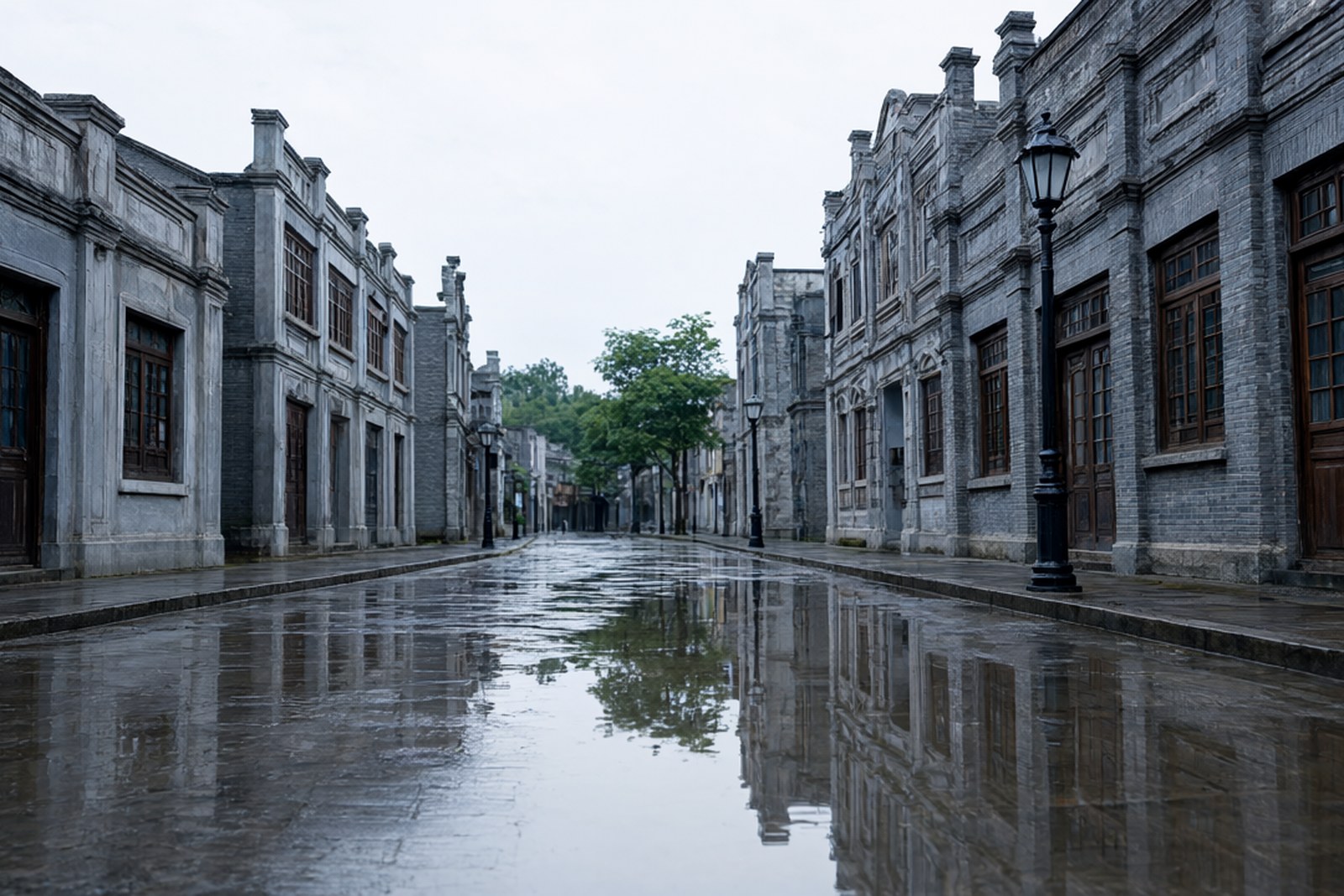
The original plan laid the park out in five parts – a China zone, a Japan zone, a Britain zone, an America zone and an exhibition area – following the revolutionary itinerary of their nominal subject, and the rebuilt scenes read like a geography exam: the Sun Yat-sen Mausoleum and the Presidential Palace at Nanjing, the Whampoa Military Academy at Guangzhou, his Shanghai residence, the Guangzhou uprising headquarters, Scotland Yard and the Qing legation in London, the Chinatown association hall in America, the New York lodging house, the Beijing hutong with the iron-lion name. Some sixty-plus recreated scenes stand in all, and they are built at full scale rather than as facades, which is why crews keep coming back and why the place photographs like a city rather than a backlot.
In 2022 the park added a second life. Working with an immersive-entertainment operator on a “Youxi World” interactive project, it converted part of the grounds into “Chang’an Town”, a Tang-dynasty street set for script-driven role-play games and night touring; an opening national-trend lantern festival that August drew nearly 120,000 visitors. The official description now lists five parts again – China, Chang’an Town, Britain, America and the exhibition area – and exactly what became of the Japan zone is not something the sources settle, so treat the four-country street set plus the Tang quarter as the working map and let the day’s programme board settle the rest.
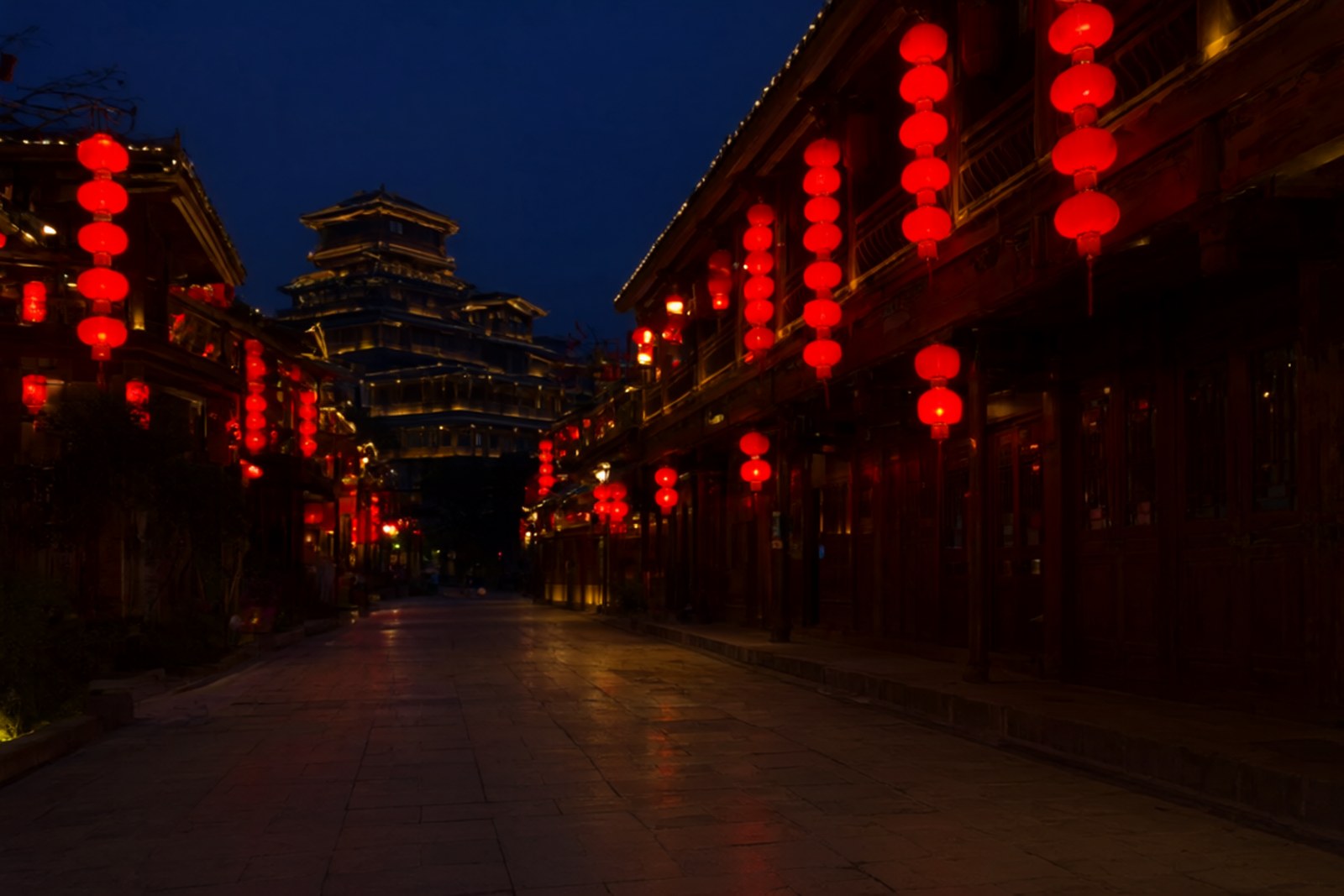
The production ledger is the park’s real credential. Around 200 productions shot here in its first decade; by 2025 the count the official media use is nearly 300 – “Sun Yat-sen” itself, then “Rising Sun in the East”, “Toward the Republic”, “1911”, “The People of Macau”, four-fifths of whose scenes were shot here by a crew that spent five months re-dressing five streets, “The Thunder”, “The City of Youth” and the 2025 crime series “Storm of Drug Sweeps”. The honours followed: a place among China’s ten great film cities in 2006, and a “most exotic film base” prize at the tenth Shanghai International Film Festival in 2007. In July 2025 a citywide film-industry service centre opened its office on the lot, part of Guangdong’s plan for a production belt around the Pearl River estuary.
A day visit runs three to four hours. Costume rental inside – hanfu, qipao, Republican dress – starts around 68 yuan with styling, about 80 a set; the stunt-horse show runs four times through the day near the Whampoa set; and the local advice on food is blunt, because in-park pricing is resort-grade: walk out and eat the city’s roast squab in town instead.
Practicalities
Tickets. The pricing is a moving target: a 65-yuan gate price quoted in 2023 sits against online day-and-night tickets of roughly 38 to 49.9 yuan, promotional early-bird entry at 15 yuan before 10:00 and night sessions from 19.9, with children under 1.2 m and visitors over 70 free on the platform listing. Work on around RMB 40 to 65 with heavy online discounting, checked September 2026 and all of it floating – confirm the day’s price on the booking app before you drive out.
Opening hours. The platform day runs 8:30 to 17:30 for the day session and 16:00 to 22:00 for the night session, last entry 21:30; some listings compress this to a single 8:30 to 22:00 span. Night hours flex with the season and the show calendar, so read the day’s notice at the gate.
Closing day. No fixed closing day is reported in any source this column could check; the park has run through the year, with the night programme concentrated in festival season. The working exception is a full-site shoot – crews take priority over visitors here by nature, and closures go up on the ticketing pages when it happens.
Getting there. Buses 12, 087, 212, K16 and K28 stop at the Zhongshan Film City stop. From the Guangzhou-Zhuhai intercity it is easiest to alight at Zhongshan station and take a taxi, about twenty minutes. From Shenzhen the link road makes it roughly an hour door to door, and the car park caps at 20 yuan. Zhuhai’s boundary is five minutes south, Guangzhou an hour and a bit north.
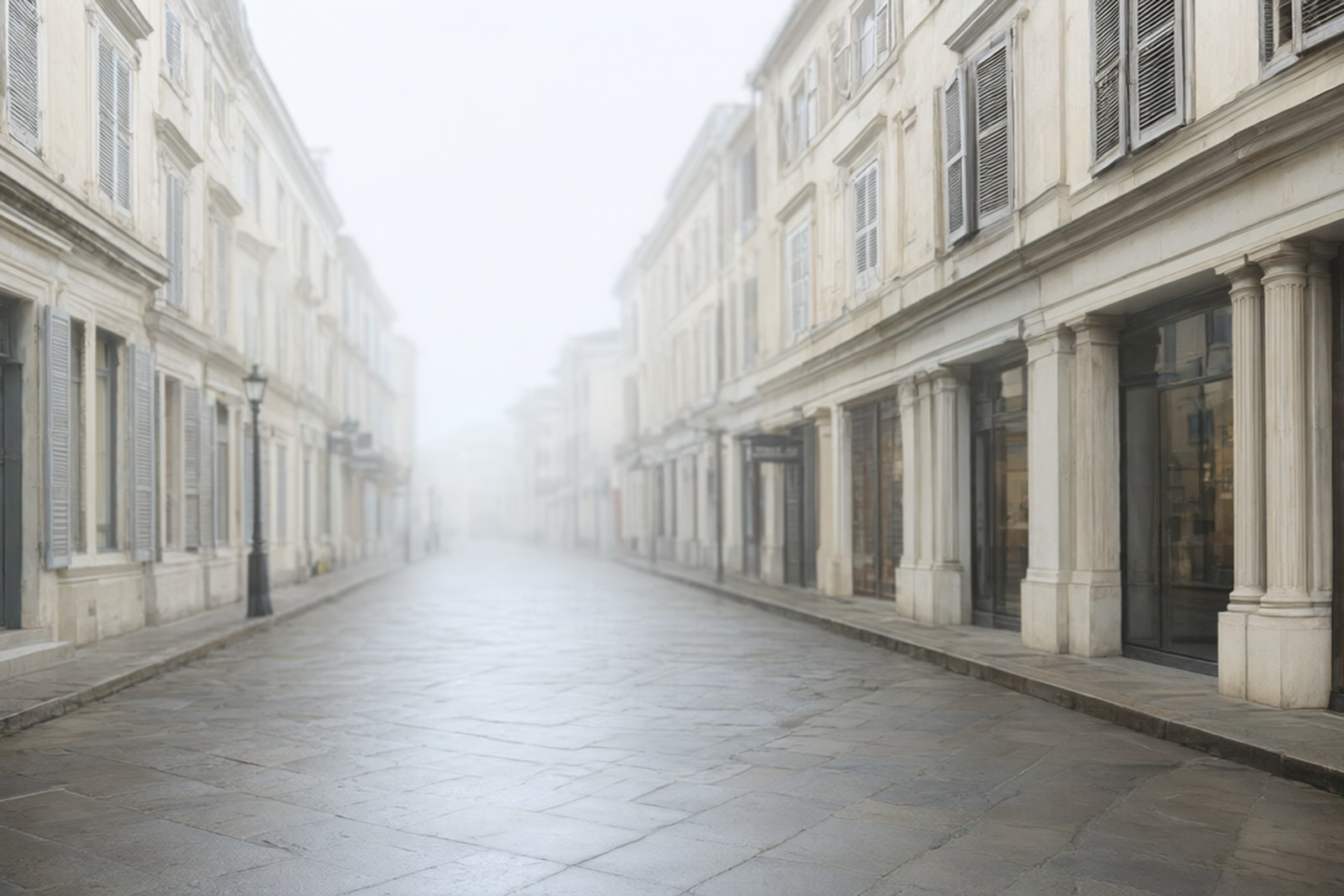
flowcloud would say that a town built as a backdrop has spent twenty-five years auditioning to be the thing itself – first a stand-in for six cities and three countries, then a Tang Chang’an that never existed, now a production hub with a service centre and an industry belt behind it – and that the honest way to visit is to accept the illusion on its own terms: nothing here is real except the horses, the crews and the bill for lunch.
Getting there: 中山影视城 stands at 85 Cuiheng Avenue in 翠亨村, 南朗街道, 中山市, beside the Sun Yat-sen’s Former Residence Museum in the 5A hometown zone; tickets run around RMB 40 to 65 online against a 65-yuan gate (checked September 2026, floating), hours are 8:30 to 17:30 with a night session to 22:00 and last entry 21:30, and no fixed closing day is reported; buses 12, 087, 212, K16 and K28 serve the gate, Zhongshan station is about twenty minutes by taxi, and Shenzhen is about an hour over the Shenzhen-Zhongshan Link.