
The Baigong Temple (白公祠) stands on the southern edge of Zhongxian’s old town as a quiet courtyard complex built to remember one man — Bái Jūyì (白居易), the great Tang-dynasty poet who served here as prefect of Zhongzhou (忠州刺史) in the early ninth century. He held the post only a few years, but the memory outlasted the office: later generations raised this temple of “Lord Bai” beside the river so that the town could keep his verses and his reputation close. To walk in is to step out of the county’s traffic and into a walled garden of grey-tiled halls, where the air smells of damp stone and the slow green of old courtyards, and where the Yangtze glints through the gaps between the rooftops.
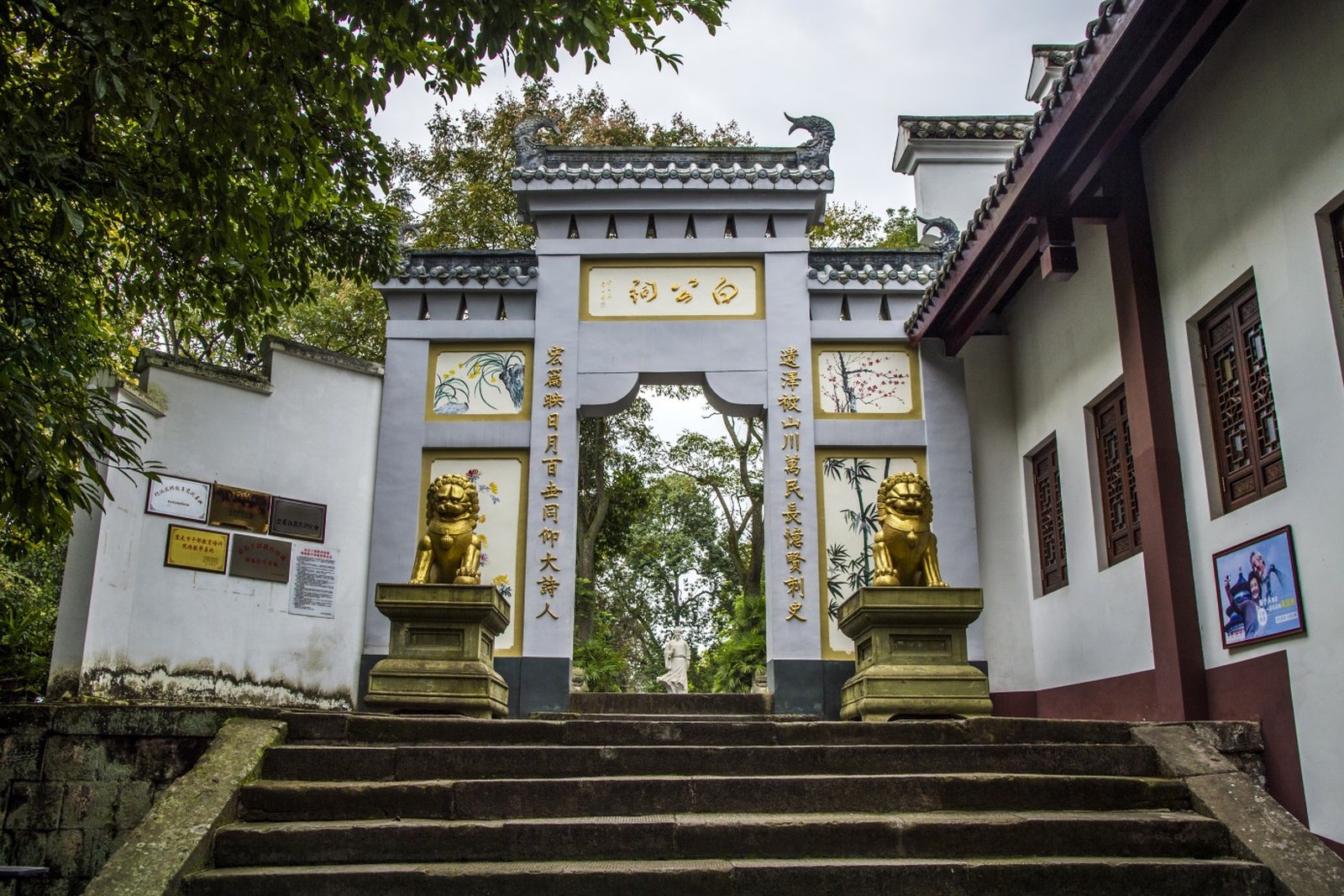
The heart of the temple is a line of poetry steles (诗碑), slabs of stone carved with the characters of Bai Juyi’s poems, set along the covered walkways so that visitors can read them in the half-light. Some record the small civic works he undertook while prefect; others are the plain, humane observations of river life that made him beloved — verses about farming, about partings, about the long evenings of an official far from the capital. The carvings have been weathered by centuries of Yangtze humidity, and a careful eye can still trace the disciplined strokes of the engravers who copied his hand. Beyond the steles, the auxiliary halls hold tablets and portraits of other loyal Zhongxian figures, for the temple is less a shrine to a single man than a vessel for the town’s self-image.
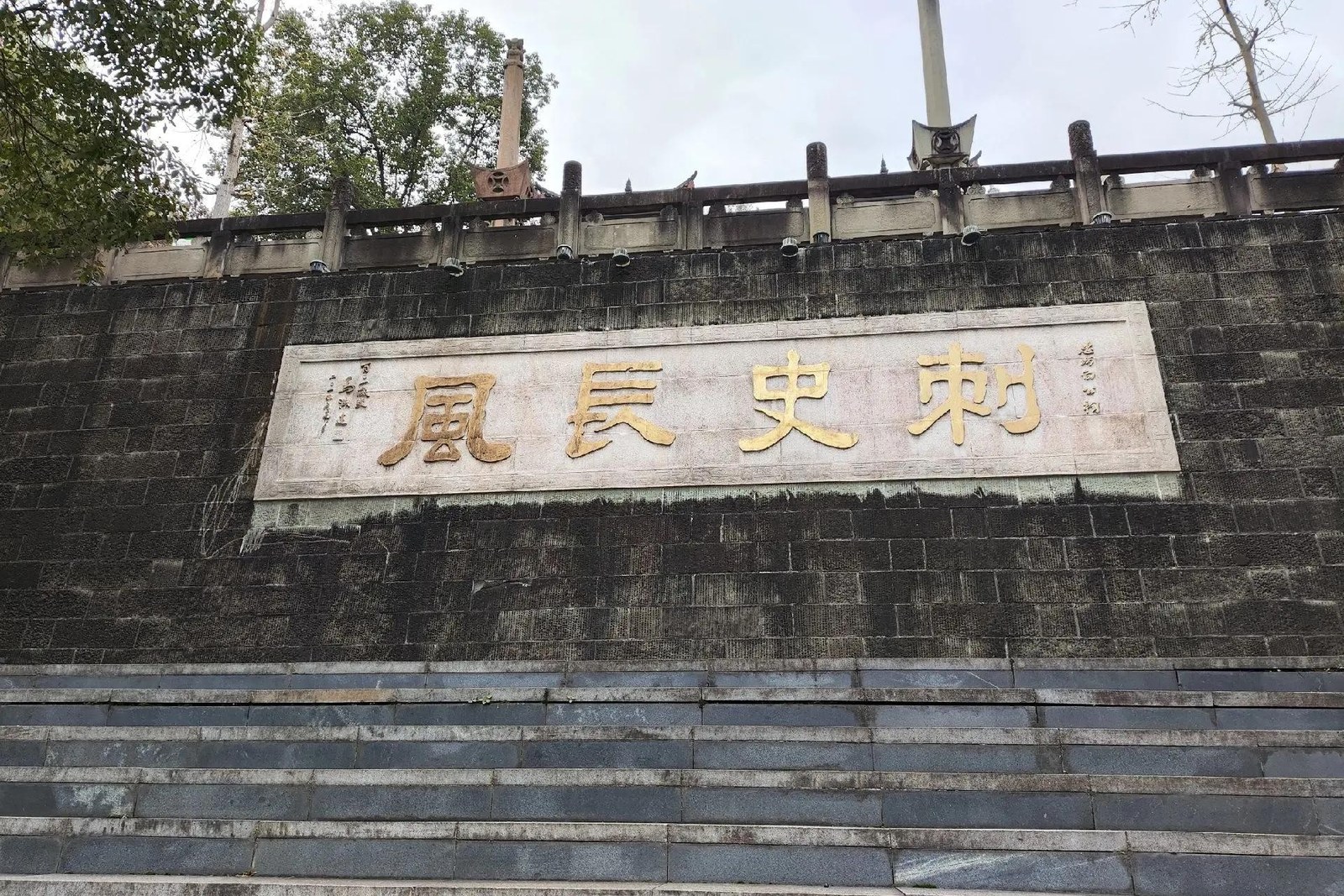
This is where Zhongxian’s defining idea — 忠文化 (zhōng wénhuà), “loyalty culture” — is most tangibly kept. The character 忠, loyalty or devotion, gives the county its very name, and the Baigong Temple is one of the places where that ethic is made physical: in the careful upkeep of the buildings, in the annual readings and school visits, in the quiet pride locals take in a poet who governed without forgetting the people below him. On a weekday the courtyards are nearly empty, and you can sit on a stone bench and listen to the river moving past the wall. The entrance fee is typically modest, and the whole walk through the halls and gardens seldom takes more than an hour — long enough to feel the weight of a reputation that a town has chosen to carry for over a thousand years.
Words and Names
白公祠 Báigōng Cí — the Temple of Lord Bai, commemorating the poet Bai Juyi 白居易 Bái Jūyì — the Tang-dynasty poet who served as prefect of Zhongzhou 忠州刺史 Zhōngzhōu Cìshǐ — Prefect of Zhongzhou, the post Bai Juyi held here 诗碑 shībēi — poetry steles carved with the poet’s verses 忠文化 zhōng wénhuà — “loyalty culture”, the local ethic the temple embodies