
Huanghua Island (皇华岛) sits square in the channel of the Yangtze a short distance downstream from Zhongxian’s county seat — a flat, green river-island whose calm surface hides a martial past. Known in the records as Huanghua Fortress (皇华城), it was fortified during the Nánsòng (南宋), the Southern Song dynasty, when the court retreated south and the Yangtze became a line of defence against the advancing armies from the north. The island’s height above the water made it a natural redoubt, and the Southern Song garrison threw up walls and gates that, against the odds, held for decades. Today the fighting is gone, but the ancient-city ruins (古城遗址) still surface in the grass — stretches of collapsed rampart, the outline of a gate, the scatter of tiles turned up by every plough.
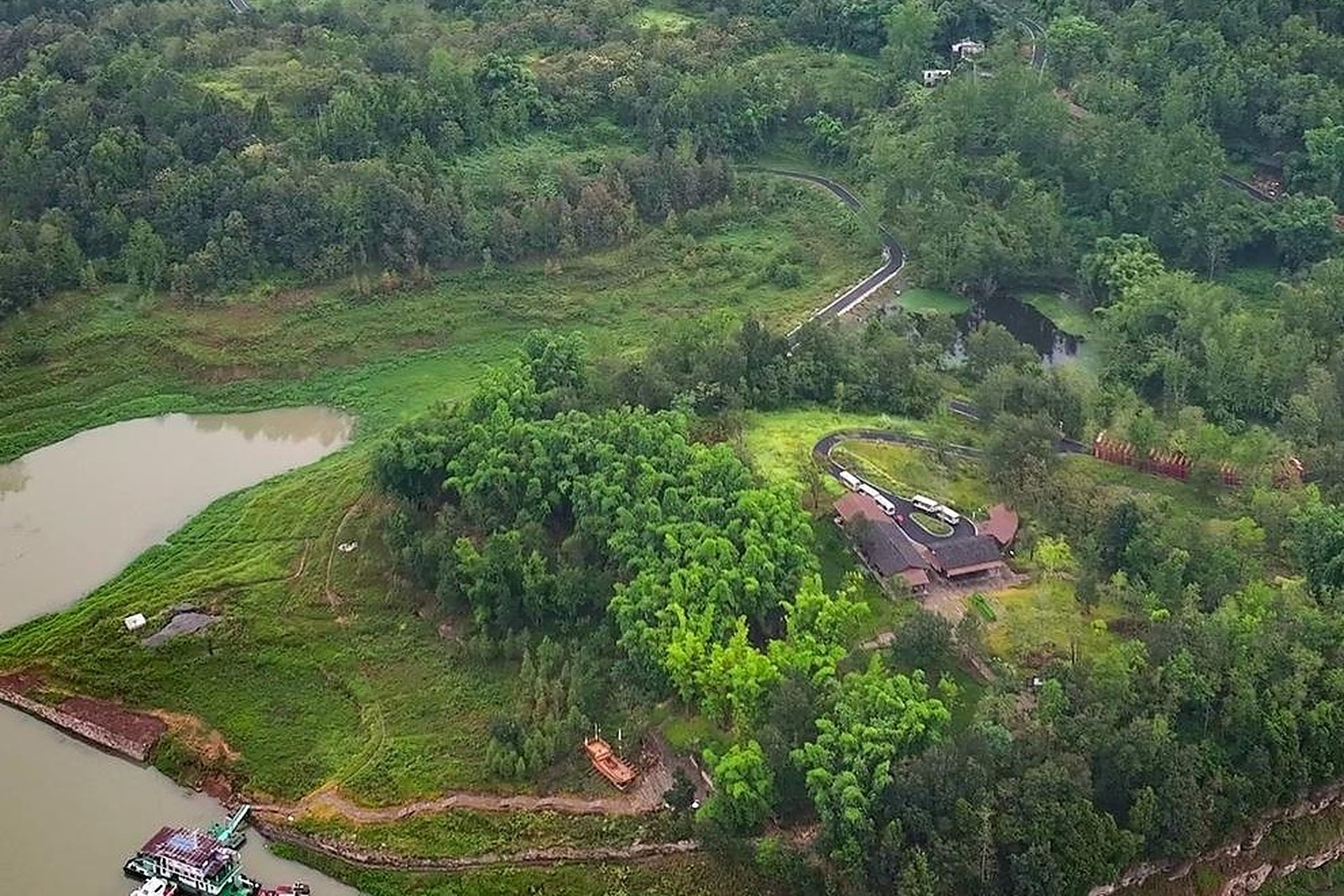
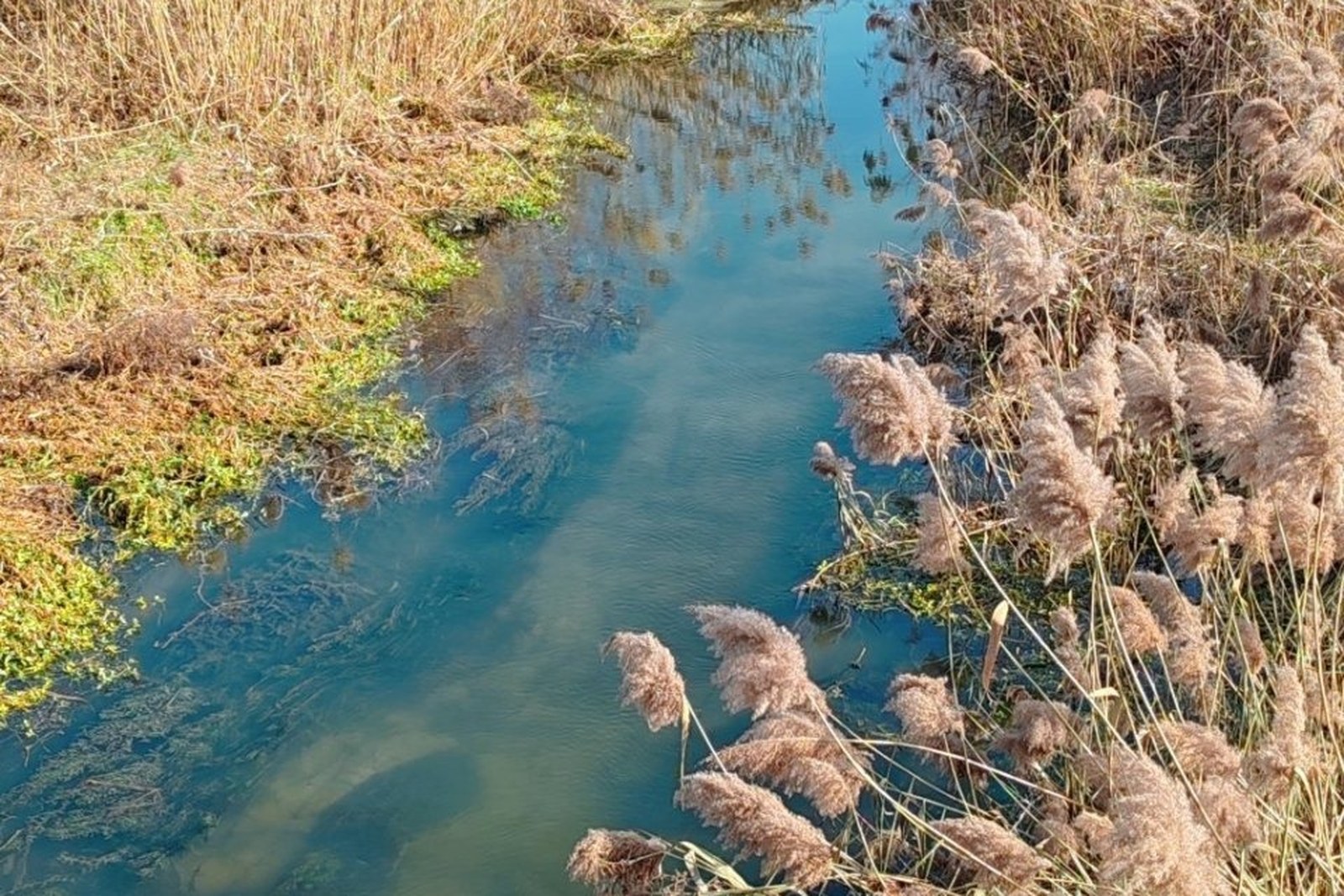
The only way across is the ferry (轮渡) that noses out from the near bank on a loose schedule, loading a handful of visitors, a few scooters, and the day’s vegetables for the island kitchen. The crossing is short but gives the place its apartness: you arrive not at a ticket gate but at a dirt slip where the water laps the reeds, and the first thing you notice is the quiet. Away from the ramparts the island has become wetland, a mosaic of reed beds, shallow pools, and grazing land where egrets lift off at a footstep. Archaeologists work here in seasons, marking the lines of the old fortress and sifting the soil for the small things a garrison leaves behind — a coin, a shard, a roof tile stamped with a dynasty. Their trenches sit politely beside the footpaths, and a posted plan shows where the walls once ran.
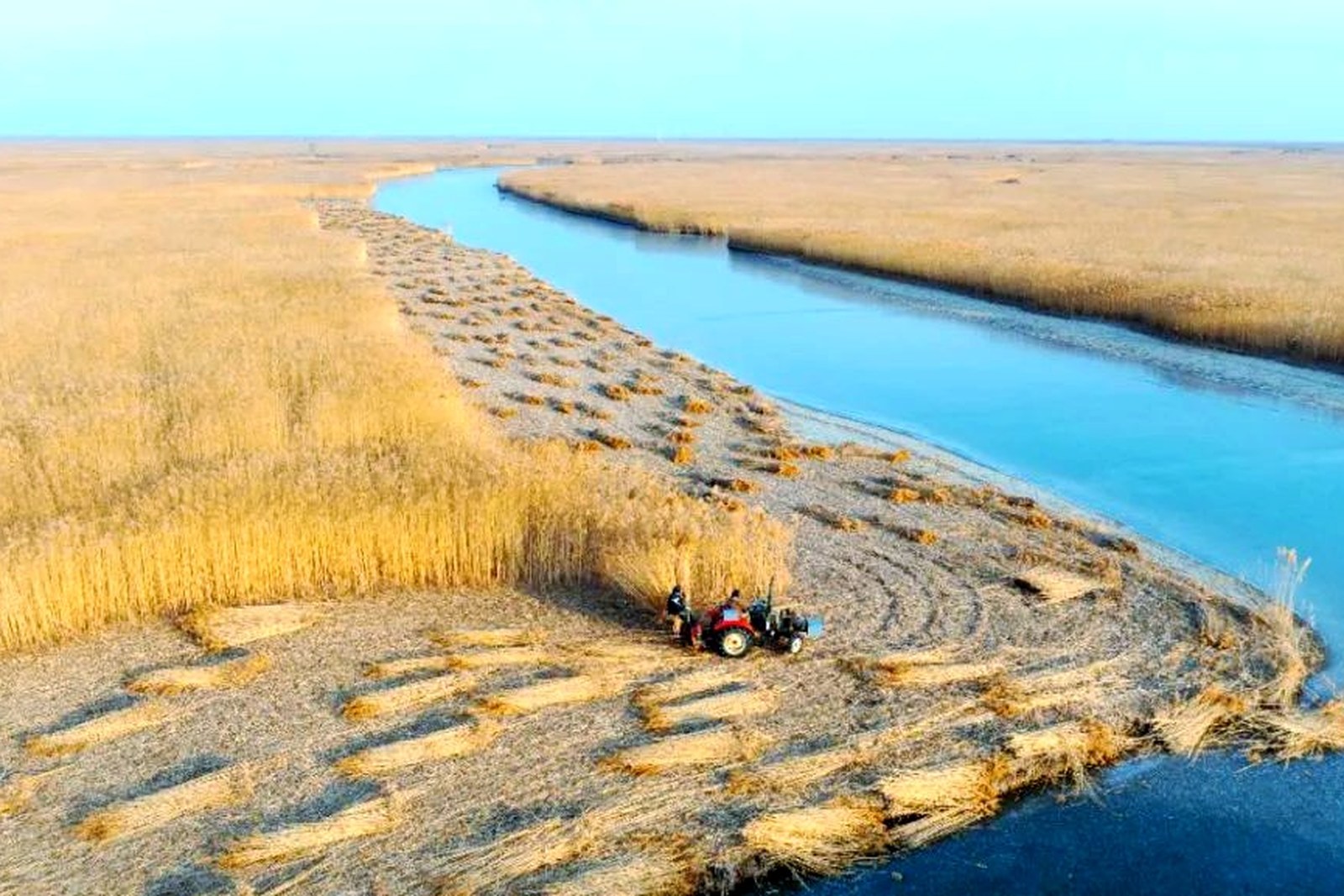
What stays with you is the layering — a Southern Song fortress underfoot, a living wetland around you, and the Yangtze sliding past on both sides without once looking back. The island asks for slow walking: there is no café, no show, only the grass, the ruins, and the occasional farmer who will nod and point you toward the best stretch of wall. Ferry times are typically around a couple of runs each morning and afternoon, and the round trip with a wander rarely exceeds half a day. Bring water and wear shoes for mud, because the paths soften after rain and the reeds close in. It is the least developed of Zhongxian’s sights, and exactly for that reason the one where the county’s long history feels least staged. All checked October 2026.
Words and Names
皇华岛 Huánghuá Dǎo — Huanghua Island, the Yangtze river-island 皇华城 Huánghuá Chéng — Huanghua Fortress, the Southern Song ruins upon it 南宋 Nánsòng — the Southern Song dynasty that built and held the fortress 古城遗址 gǔchéng yízhǐ — the ancient-city ruins surviving on the island 轮渡 lúndù — the ferry that carries visitors across to the island