
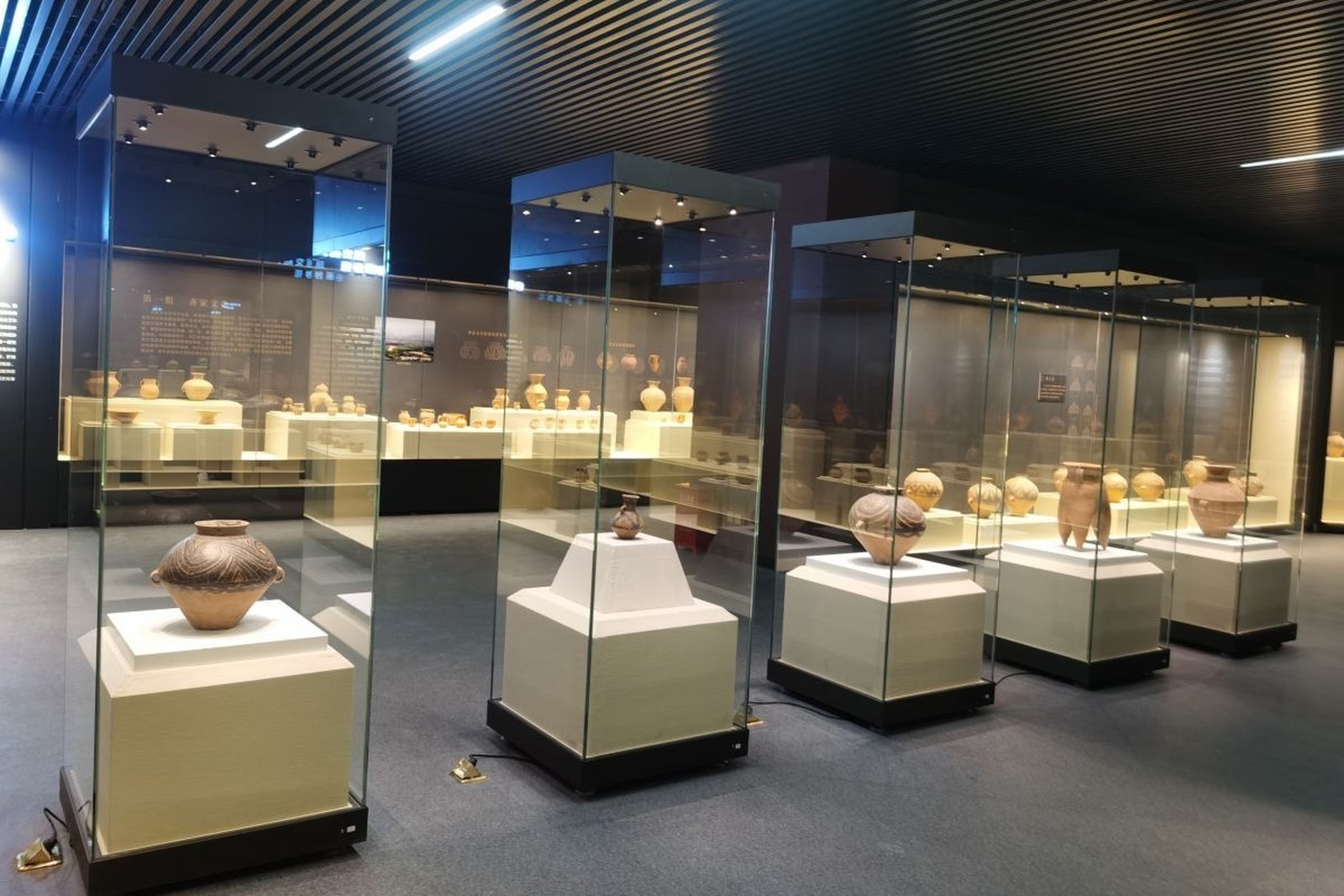
The Zhongzhou Museum (忠州博物馆) sits on the higher ground of Zhongxian’s new district, a clean, low building whose calm interior is the best answer to a wet afternoon in the gorge country. Inside, the county tells its own story in order: the prehistoric tools pulled from the river terraces, the bronze and pottery of the early settlements, and then the long arc of Zhongxian as a place defined by loyalty and river trade. The museum is the county’s memory kept under one roof, and because so much of the old town slipped beneath the reservoir, these halls hold what the water took — replicas and originals recovered before the levels rose, arranged so a visitor can walk the whole history in under two hours without a guide.
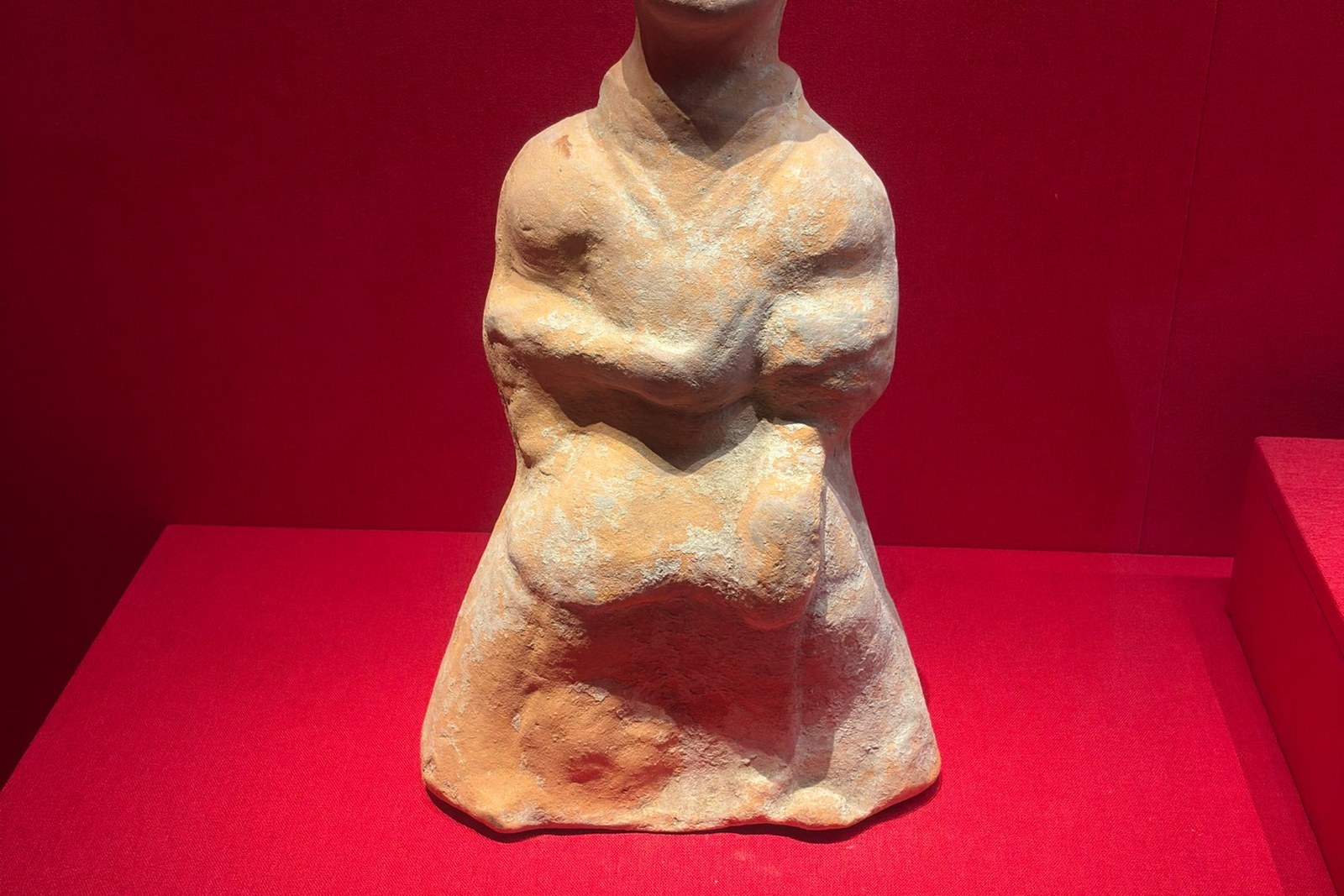
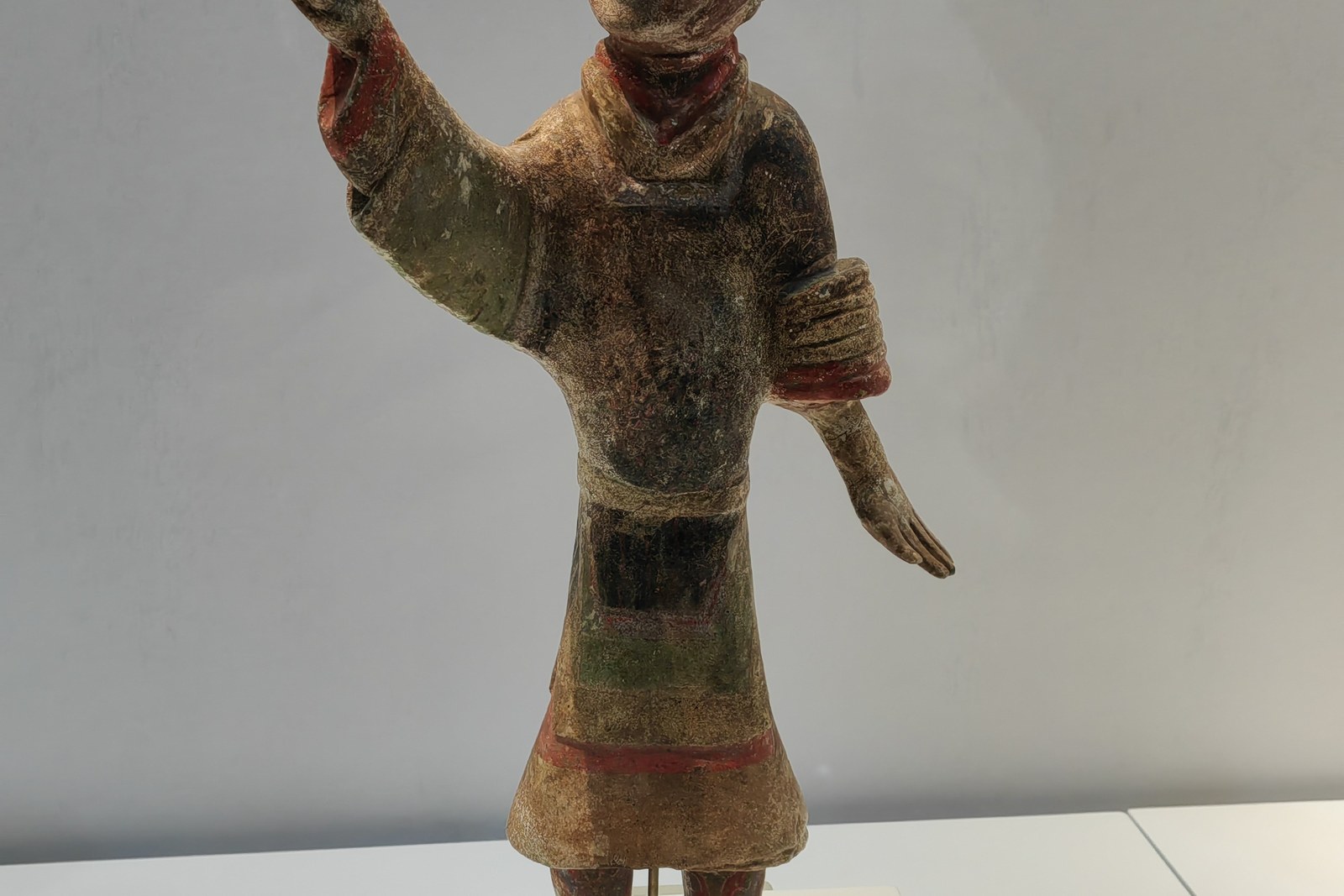
The Hàndài (汉代) galleries are the quiet heart of the collection. Han-dynasty tomb goods from around Zhongxian fill the cases — modelled figurines of servants and musicians, painted pottery, jade ornaments, and the sturdy bronze vessels that accompanied the dead into the earth. They are domestic objects more than royal ones, and that is their appeal: a Han farmer’s oil lamp, a child’s toy, a kitchen jar, each still carrying the thumb-marks of the people who used them. Alongside them, the Three Gorges archaeology (三峡考古) exhibits gather the finds from salvage digs carried out ahead of the dam — whole strata of a riverside culture lifted and labelled, the evidence of how ordinary towns lived and died by the changing water.
Running through every hall is the museum’s central theme, 忠文化 (zhōng wénhuà) — “loyalty culture” — the county’s naming idea and its claim to a particular kind of honour. Panels trace how Zhongxian produced men of steadfast service across the dynasties, and how that reputation was crystallised in figures from the prefect Bai Juyi to later loyal officials, the stories told plainly without exaggeration. For the traveller it is the natural rainy-day alternative (雨天备选): when the spray off the gorge soaks the outdoor sights, the museum stays dry, warm, and unhurried, with free or nearly free entry and a gift counter of local orange products at the exit. Go in the morning and you may have the rooms to yourself; the light from the high windows falls evenly on the glass, and the river, seen from the upper windows, looks almost tame. All checked October 2026.
Words and Names
忠州博物馆 Zhōngzhōu Bówùguǎn — Zhongzhou Museum of Zhongxian 忠文化 zhōng wénhuà — “loyalty culture”, the museum’s central theme 汉代 Hàndài — the Han dynasty, source of many exhibited relics 三峡考古 Sānxiá kǎogǔ — Three Gorges archaeology, whose finds fill the halls 雨天备选 yǔtiān bèixuǎn — a rainy-day alternative, the museum’s practical role