
A Premier’s Visit, Fixed in White Stone: the Zhou Enlai Memorial at Shihezi
白碑一座立林间,总理手植白杨高 Bái bēi yī zuò lì lín jiān, zǒnglǐ shǒu zhí báiyáng gāo – A white stele stands among the trees, and the poplars the Premier planted have grown tall
正文:周总理纪念碑 Zhōu Zǒnglǐ Jìniànbēi the Zhou Enlai Memorial marks the summer day in 1965 when the Premier and Marshal Chen Yi stood on the main avenue of a city barely fifteen years old and planted poplar saplings with their own hands. What grew from that visit is Shihezi’s most formal green: a white stele on broad steps, a memorial hall, and the grown descendants of those saplings arching over the walks around them.
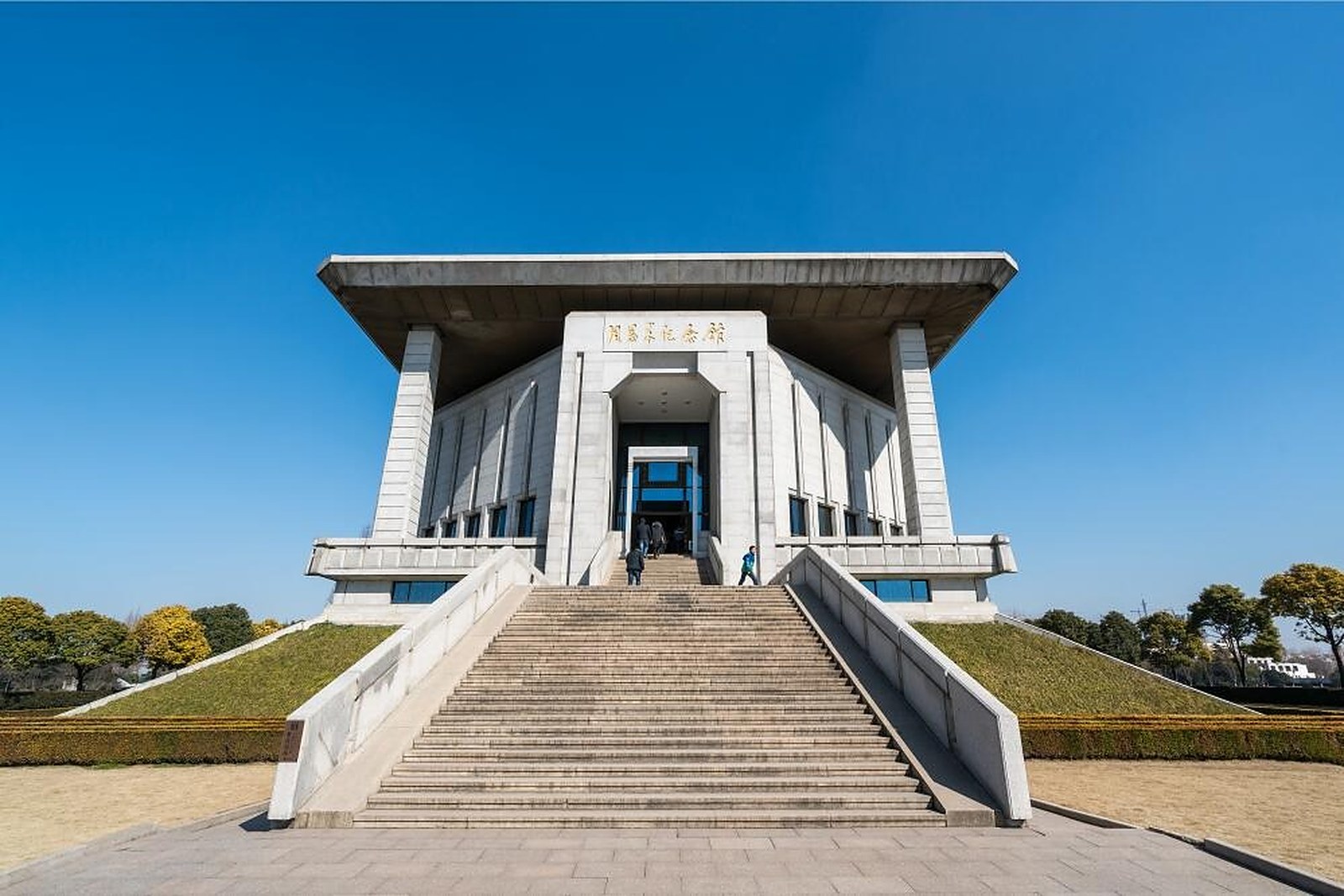
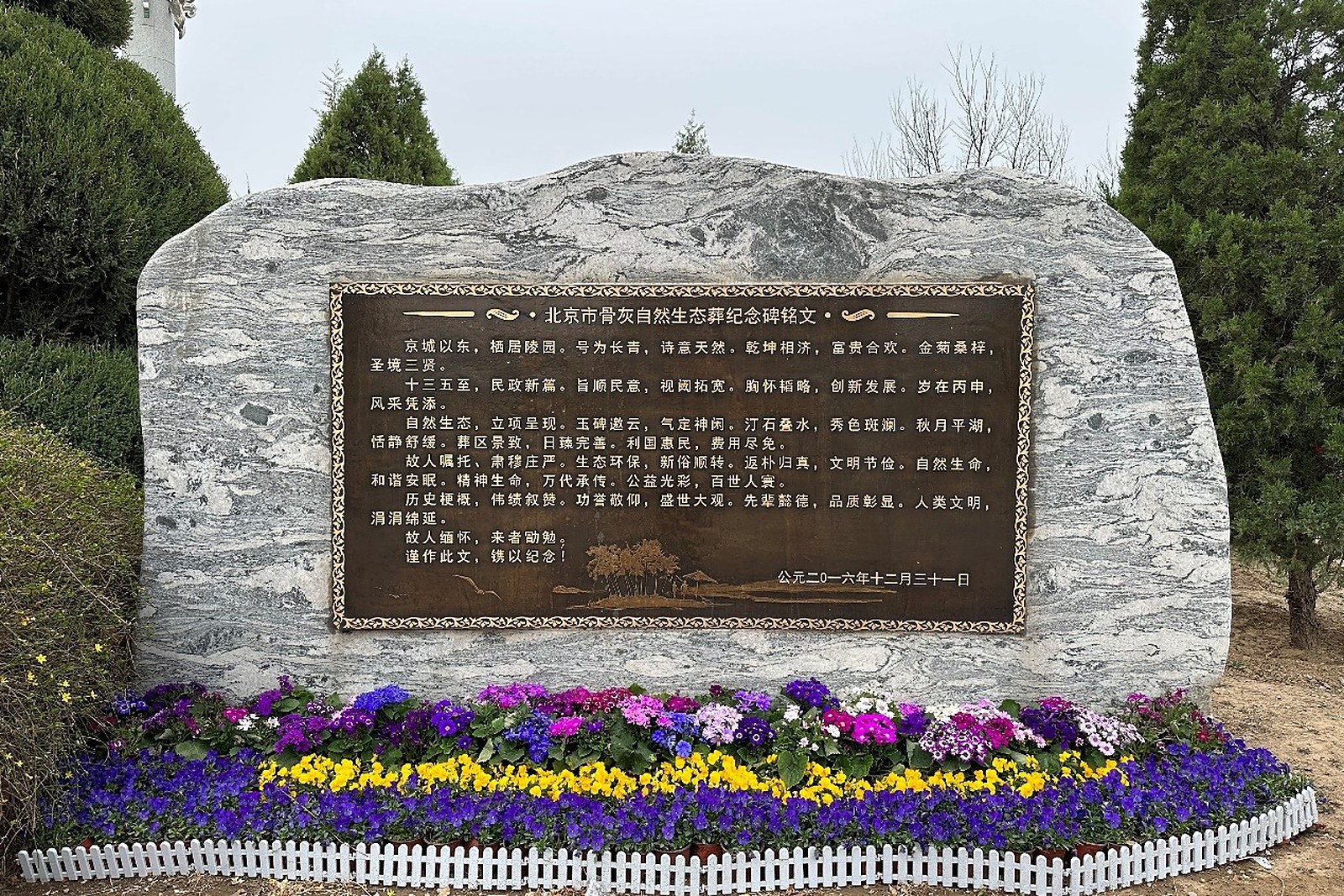
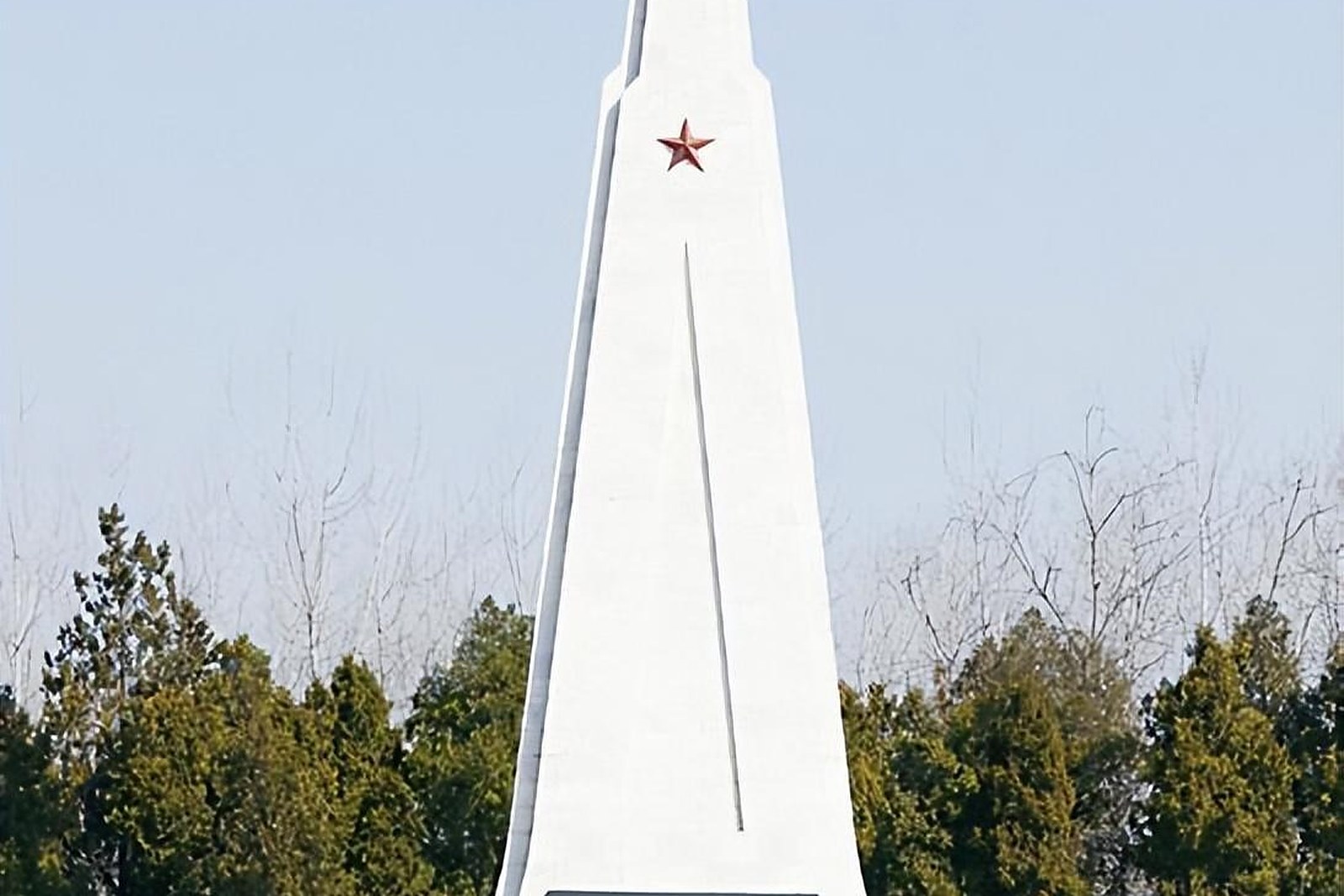
The stele is the centerpiece – a tall white obelisk inscribed with the words Zhou spoke to the regiments of the basin, standing at the head of a lawn that the pines and poplars keep formal. The architecture is of its era, solemn and linear, and its clarity photographs better than any monument in the city against a Xinjiang-blue sky. Around it, the grounds stay deliberately simple: rosebeds, a boulder cut with the planting date, and the terrace where older residents still leave flowers on July anniversaries.
Inside the memorial hall the tone shifts from monument to biography. Exhibition boards trace Zhou’s connection to the Corps – the inspection route through the basin, the conversations with young settlers fresh off the coastal trains, the speech urging the regiments to plant trees “so the desert learns to hold its water.” A bronze statue at the entrance shows him in the overcoat of the era, and the gift counter sells a small bilingual pamphlet that makes the visit legible for travelers arriving cold.
The memorial stands along the main north-south avenue about two kilometres from the center, close enough that a morning walk from downtown takes it in naturally; most travelers chain it with the Ai Qing Poetry Hall on the same side of town. The grounds are at their best in late afternoon, when the poplars throw long shadows across the lawn and the white stone warms to honey.
Practicalities
Beyond the memorial, the same 石河子市 Shíhézǐ Shì Shihezi City keeps more places worth the detour: 兵团军垦博物馆 Bīngtuán Jūnkěn Bówùguǎn the reclamation museum for the founding story, 艾青诗歌馆 Ài Qīng Shīgēguǎn the poetry hall for the literary years, 军垦第一犁广场 Jūnkěn Dì-yī Lí Guǎngchǎng the First Plow square for the bronze group, or 蘑菇湖水库 Mógū Hú Shuǐkù the Mushroom Lake reservoir for the swan winter – four more doors into the same 石河子市 Shíhézǐ Shì Shihezi City. Once the stele is seen, our Shihezi food map fills the day.
Practicalities
Words and Names
flowcloud would say the memorial is the city keeping a visit alive in white stone: a premier’s saplings grown into an avenue, a promise about trees and water kept in public, and lawns that still hold their formality. All checked November 2026.
Getting there: The memorial stands along the main north-south avenue about two kilometres from the city centre; buses and a short walk reach the gate, and the tree-lined grounds take half an hour – combine it with the poetry hall on the same side of town. All checked November 2026.