
Zhoukoudian Peking Man Site: The UNESCO Cave of Dragon Bone Hill, the Earliest Beijingers and the Museum of Deep Time in Fangshan District, Beijing
龙骨山头云自老,猿人洞底火犹温。Lónggǔ Shān tóu yún zì lǎo, yuánrén dòng dǐ huǒ yóu wēn – On Dragon Bone Hill the clouds grow old of themselves; beneath the Ape-Man Cave the fire still keeps its warmth.
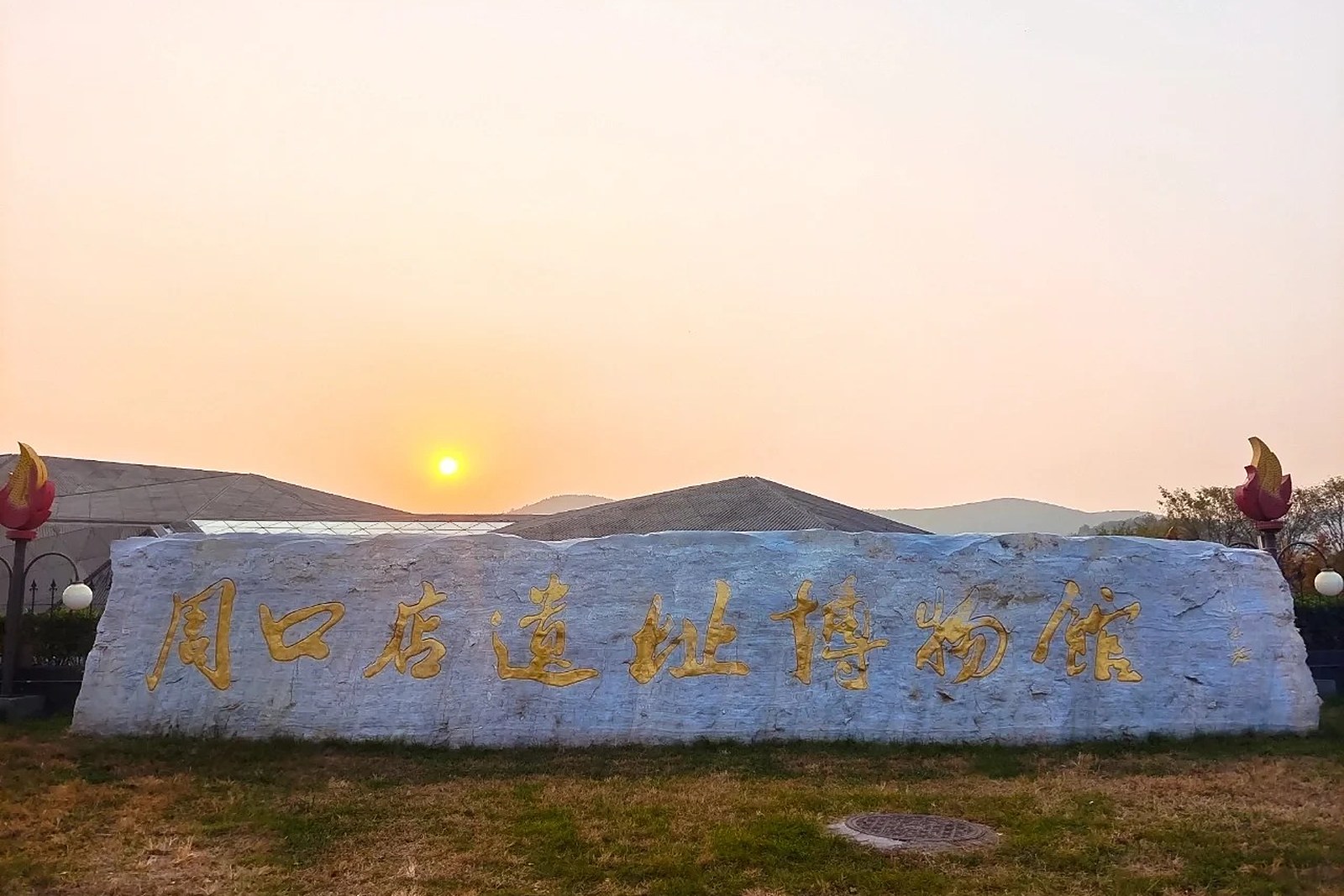
周口店北京人遗址 Zhōukǒudiàn Běijīngrén Yízhǐ the Zhoukoudian Peking Man Site is not a museum that happens to hold old bones — it is, plainly put, the hillside where the earliest residents of “Beijing” were dug out of the ground: a limestone fold called 龙骨山 Lónggǔ Shān Dragon Bone Hill at 周口店镇 Zhōukǒudiàn Zhèn Zhoukoudian town in south-west 房山区 Fángshān Qū Fangshan District, Beijing, inscribed by UNESCO on the World Heritage List in 1987, where excavations begun in the 1920s brought up the fossil skulls and stone tools of 北京人 Běijīngrén Peking Man — humans who lived here roughly from seven hundred thousand to two hundred thousand years ago, the first complete skullcap found in 1929 — and, higher on the hill, the later 山顶洞人 Shāndǐngdòng rén Upper Cave Man of some thirty thousand years ago. Around the hillside lie the 猿人洞 Yuánrén Dòng Ape-Man Cave, the 山顶洞 Shāndǐng Dòng Upper Cave, the 鸽子堂 Gēzitáng Pigeon Hall and further fossil localities, with the 周口店遗址博物馆 Zhōukǒudiàn yízhǐ bówùguǎn site museum at the foot. What you actually visit is a short honest climb among excavated caves and one well-labelled museum.
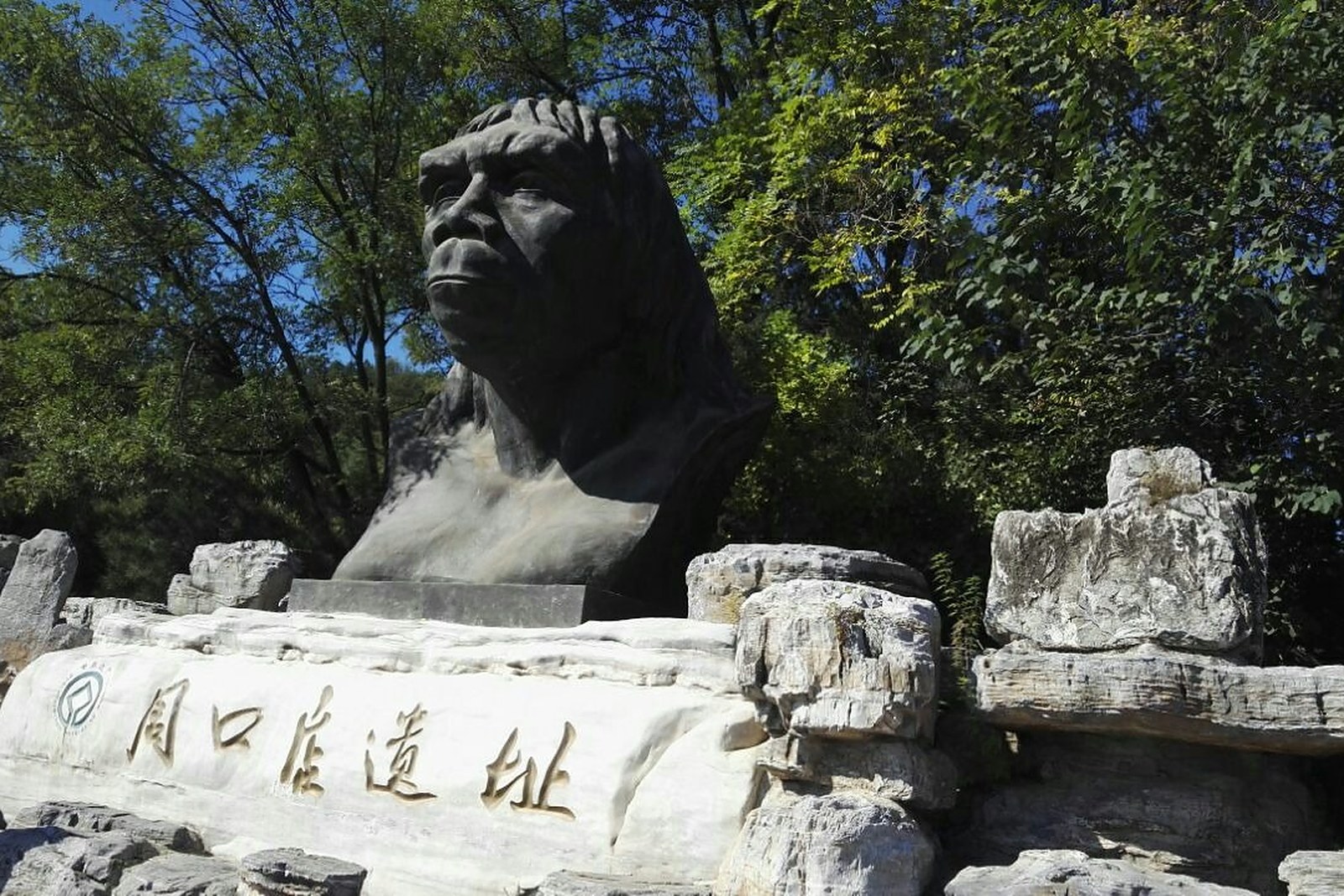
Call it honestly: a ticketed archaeological park on the city’s far south-western edge, and it repays patience. Tickets in recent seasons have stood at around thirty yuan covering the site area and the museum, with concession tiers and reservation through official channels (worth confirming the details for current rates, hours and booking); the site closes on Mondays, hours shrink in the winter season, and sections of the hillside boardwalk were closed for repair this autumn (worth confirming the details for what is open). The honest moves are a weekday morning and the museum first — the exhibits set up everything the caves will mean — then the hill itself at an unhurried climb. Wear real shoes, carry water, and give the place half a day: the ground is stone and slope, and sprinters will remember nothing.
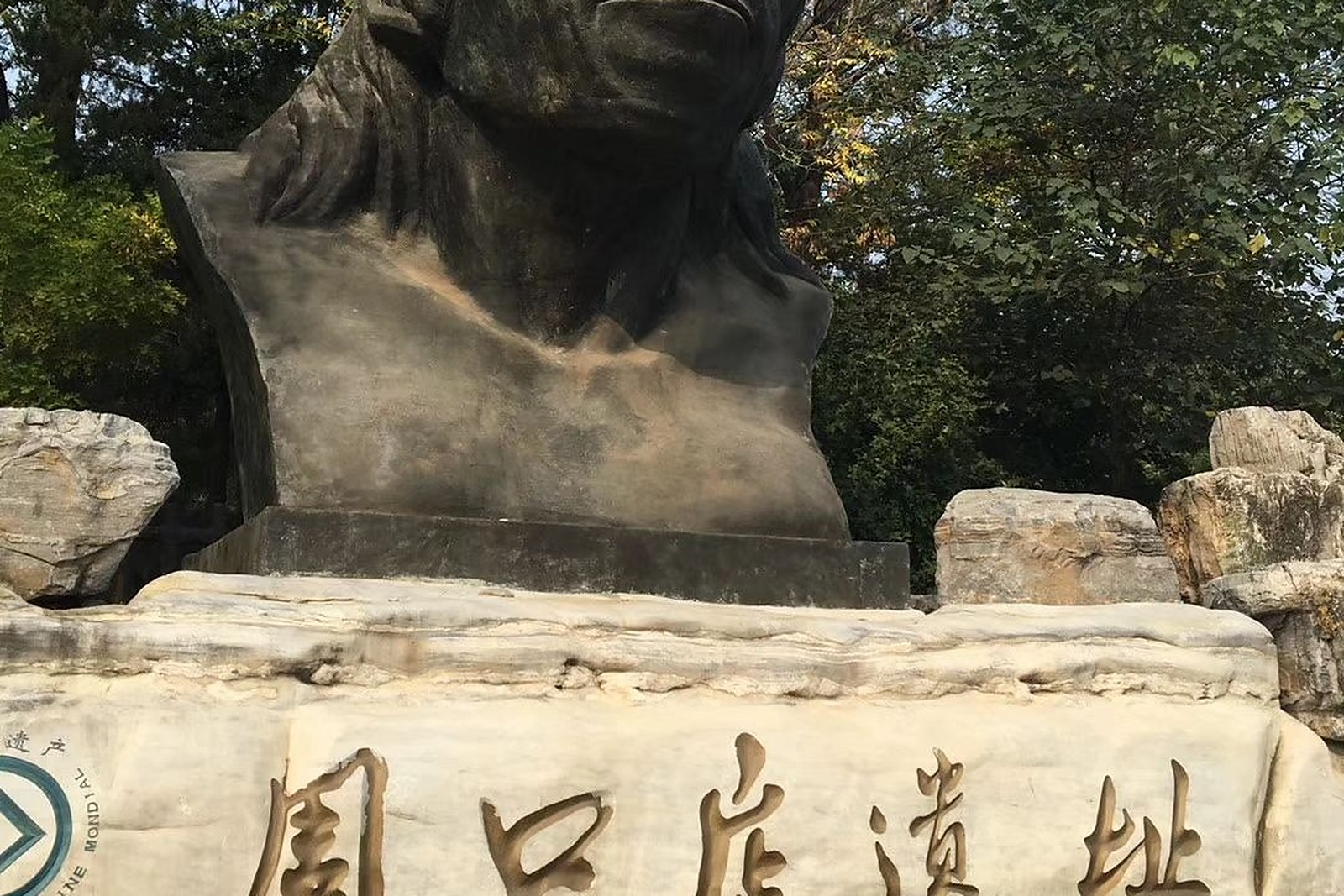
The honest star is the Ape-Man Cave itself — the great excavated hollow now capped by a vast protective shelter, a structure that won a UNESCO Asia-Pacific heritage award in 2021 — not the gift counter. Stand on the walkway inside the canopy and you are reading a cross-section of the deposit itself: layer upon layer of earth and ash where fire was used, where bones fell, where the digging went down through the ages. What gets oversold is the hope of seeing the original 1929 skullcap: the most famous fossils left the site long ago and were lost in the wartime years, and the museum shows later originals alongside careful models (worth confirming the details for which pieces are genuine). What repays the effort is the Upper Cave above, the ash of Pigeon Hall, and the museum’s ranks of stone tools and animal bones. Come for the layering of the place: museum, then hill, then deep time.
The self-aware postscript: I stood under the great canopy over the Ape-Man Cave while a keeper explained to a school group that the cave had been dug down layer by layer, and a boy asked whether the people who lived here knew they would become “Beijing people” — the keeper said the name came later, much later. That is the visit in miniature. 周口店北京人遗址 Zhōukǒudiàn Běijīngrén Yízhǐ suits whoever treats it as an afternoon of slow reading in stone first and a museum visit second — museum, hill, Upper Cave, sit — and exhausts whoever arrives expecting a themed attraction. Everything else on this Fangshan list lies within a valley drive or two: the seven-storey stone-flower halls of 石花洞 Shíhuā Dòng Shihua Cave in the hills of 河北镇 Héběi Zhèn, the carved stone sutras and Liao pagodas of 云居寺 Yúnjū Sì Yunju Temple at 大石窝镇 Dàshíwō Zhèn, the ferry-crossed karst gorges of 十渡 Shídù Shidu on the 拒马河 Jùmǎ Hé Juma River, and the cloud ladder and great cave of 上方山国家森林公园 Shàngfāngshān Guójiā Sēnlín Gōngyuán Shangfangshan National Forest Park — all in the same 房山区 Fángshān Qū where the human story of the capital begins.
Practicalities
- Rating: ★★★★★ — a World Heritage hill where the capital’s deepest past is still in the ground; the sheltered Ape-Man Cave and the museum’s stone-tool drawers outrank the souvenir hunt; go on a weekday morning and read slowly.
- Tickets: Around thirty yuan in recent seasons for site and museum, with concession tiers and reservation (worth confirming the details for current rates, Monday closing, seasonal hours and any free-entry days).
- Address: 周口店北京人遗址 Zhōukǒudiàn Běijīngrén Yízhǐ Zhoukoudian Peking Man Site, 周口店大街 1 号, 周口店镇 Zhōukǒudiàn Zhèn, south-west 房山区 Fángshān Qū Fangshan District, Beijing.
- Time needed: Half a day for museum plus hillside caves; a brisk two hours covers the museum and the main circuit.
Words and Names
周口店北京人遗址 Zhōukǒudiàn Běijīngrén Yízhǐ Zhoukoudian Peking Man Site · the World Heritage hill and museum of human origins 龙骨山 Lónggǔ Shān Dragon Bone Hill · the limestone fold that held the fossils 北京人 Běijīngrén Peking Man · the early humans of roughly 700,000 to 200,000 years ago 猿人洞 Yuánrén Dòng Ape-Man Cave · the great Locality 1 pit under its protective shelter 山顶洞 Shāndǐng Dòng Upper Cave · the hilltop cave of the later inhabitants 山顶洞人 Shāndǐngdòng rén Upper Cave Man · the humans of some thirty thousand years ago 鸽子堂 Gēzitáng Pigeon Hall · the ash-layered locality named for the pigeons that roosted there 周口店遗址博物馆 Zhōukǒudiàn yízhǐ bówùguǎn Zhoukoudian Site Museum · the museum at the foot of the hill
flowcloud would say that 周口店北京人遗址 Zhōukǒudiàn Běijīngrén Yízhǐ is the hill where “Beijing” begins in the deepest sense — the 1987 World Heritage listing, the 猿人洞 Yuánrén Dòng Ape-Man Cave under its award-winning shelter on 龙骨山 Lónggǔ Shān, the 山顶洞 Shāndǐng Dòng Upper Cave above, and the 周口店遗址博物馆 Zhōukǒudiàn yízhǐ bówùguǎn holding the stone tools and the fire-blackened ash — and that the honest move is a weekday morning with the museum first, because tickets, hours, reservations and boardwalk repairs all shift (worth confirming the details), the missing original skullcaps are the faith half and the layered hill is the sight half, and the site repays whoever reads it slowly while losing whoever sprints the canopy walkway. All checked October 2026.
Getting there: Bus 832 (the old 917) runs from the 天桥 Tiānqiáo side of the city toward 良乡 Liángxiāng, transferring to local bus 38 for the site gates; the 917 on the 张坊 Zhāngfǎng branch serves the 周口店路口 Zhōukǒudiàn lùkǒu stop with the same 38 connection, and drivers leave the 京港澳高速 Jīnggǎng’ào gāosù expressway at the 阎村 Yáncūn exit for the 京周公路 Jīngzhōu gōnglù road (worth confirming the details for current bus numbers, transfers and parking). All checked October 2026.