
Zhuanghang Old Street: The Ming-Qing Canal Town of Western Fengxian, the Rice-and-Cotton Trading Past and the Slowest Old Street in the Shanghai Region in Fengxian District, Shanghai
半街枕水半街市,一巷炊烟一巷静。Bàn jiē zhěn shuǐ bàn jiē shì, yī xiàng chuīyān yī xiàng jìng – Half the street pillows on water and half on market; one lane carries cooking smoke, one lane carries quiet.
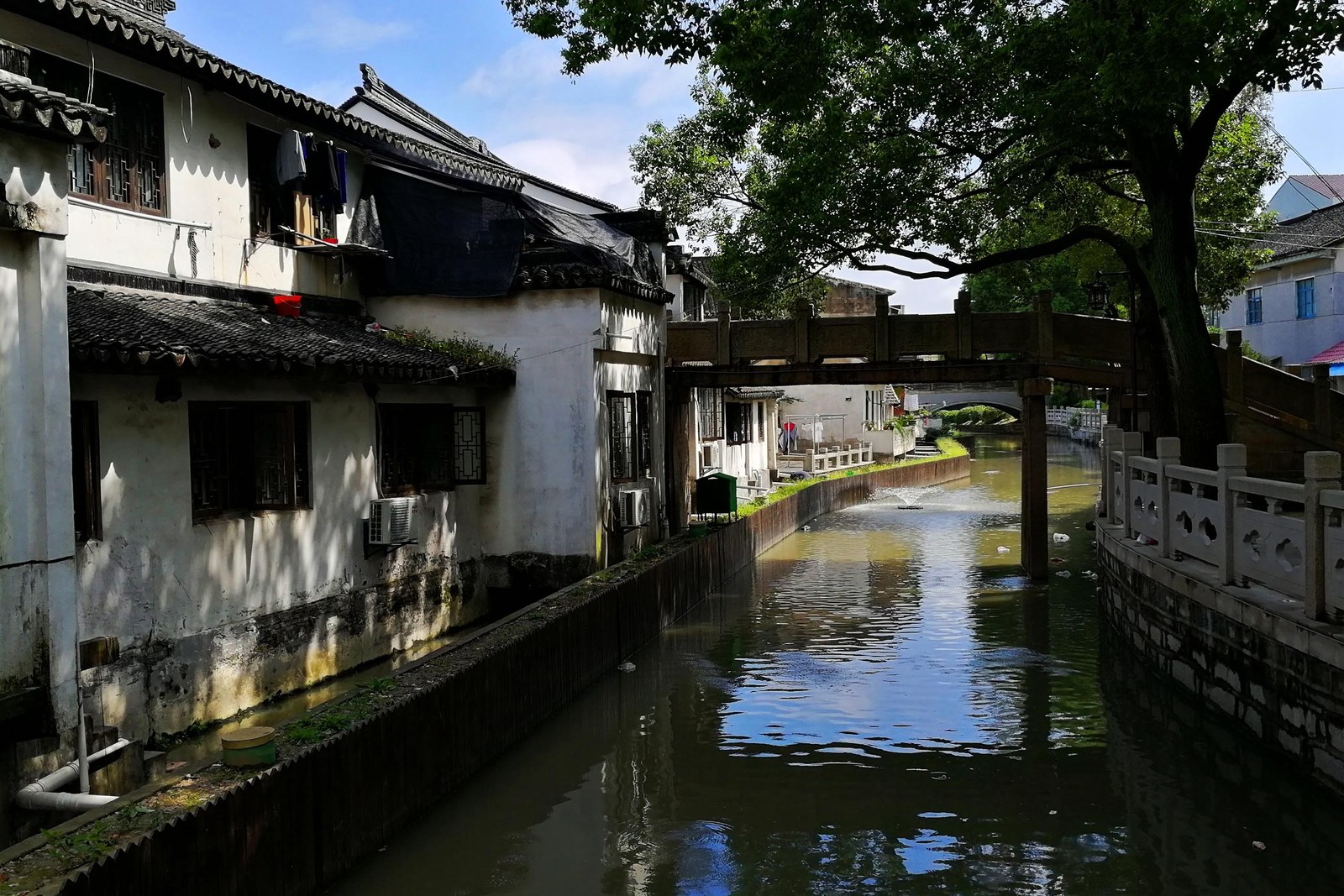
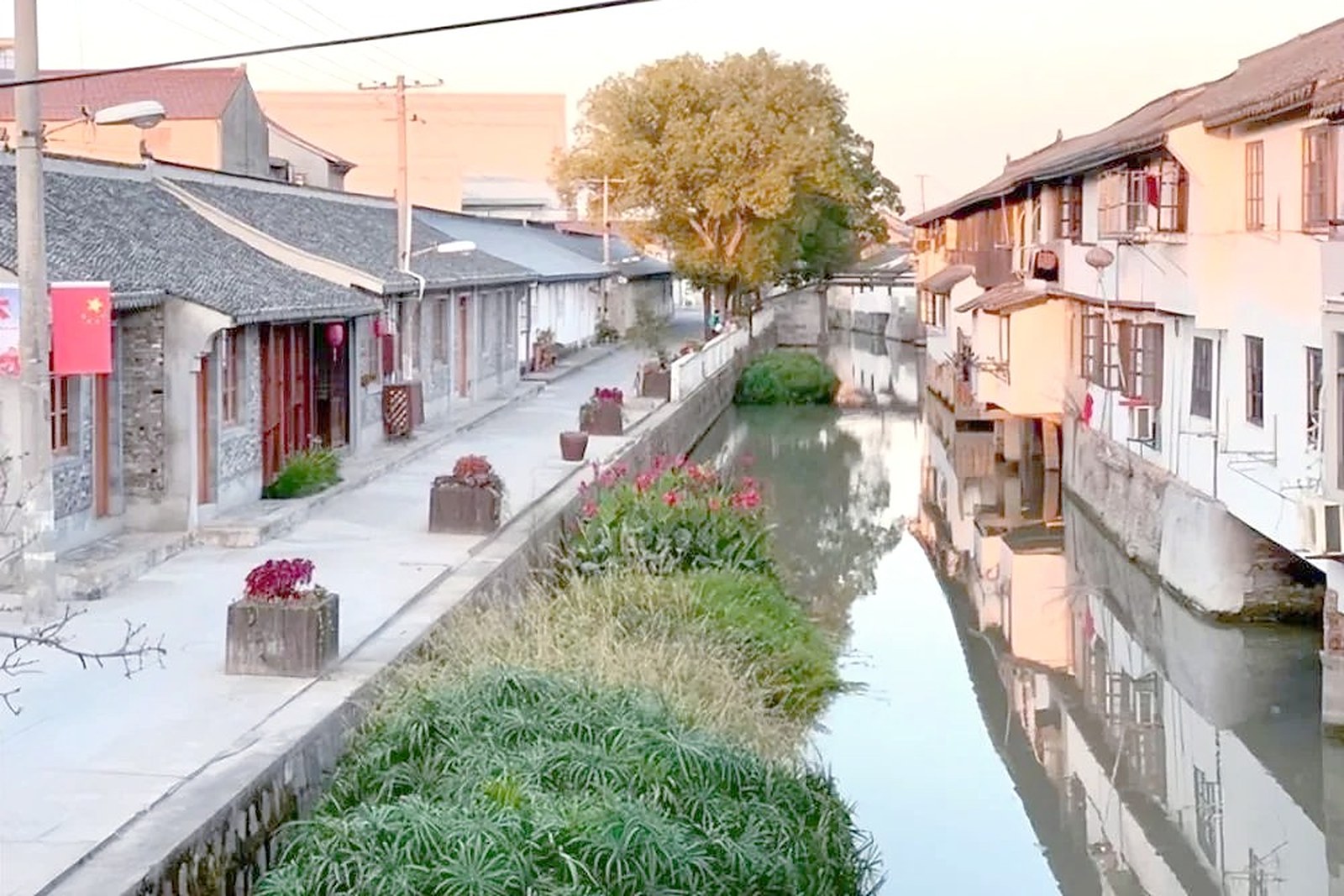
庄行老街 Zhuāngháng Lǎojiē Zhuanghang Old Street is the old market street of 庄行镇 Zhuāngháng Zhèn Zhuanghang town, in the rural west of 奉贤区 Fèngxián Qū Fengxian District, Shanghai – a canal-side line of Ming and Qing houses, stilted kitchens over the water, and the low-trafficked calm of a town whose famous era was the rice-and-cotton trade of centuries past. Zhuanghang grew rich as a grain and cloth entrepôt – 花米庄行 huāmǐ Zhuāngháng, “cotton and rice Zhuanghang”, the old saying runs – and the street still reads like a ledger of that trade: warehouses turned teahouses, a bridge that once weighed the grain carts, eaves low enough to touch from the towpath (worth confirming the details for which houses carry restoration plaques, the dates shifting with each repair). There is no ticket gate, no costume rental, no queue; there is a street, a river, and the muffled commerce of a town that is living in itself rather than performing for visitors. The register is deep-rural Shanghai at its most unhurried.
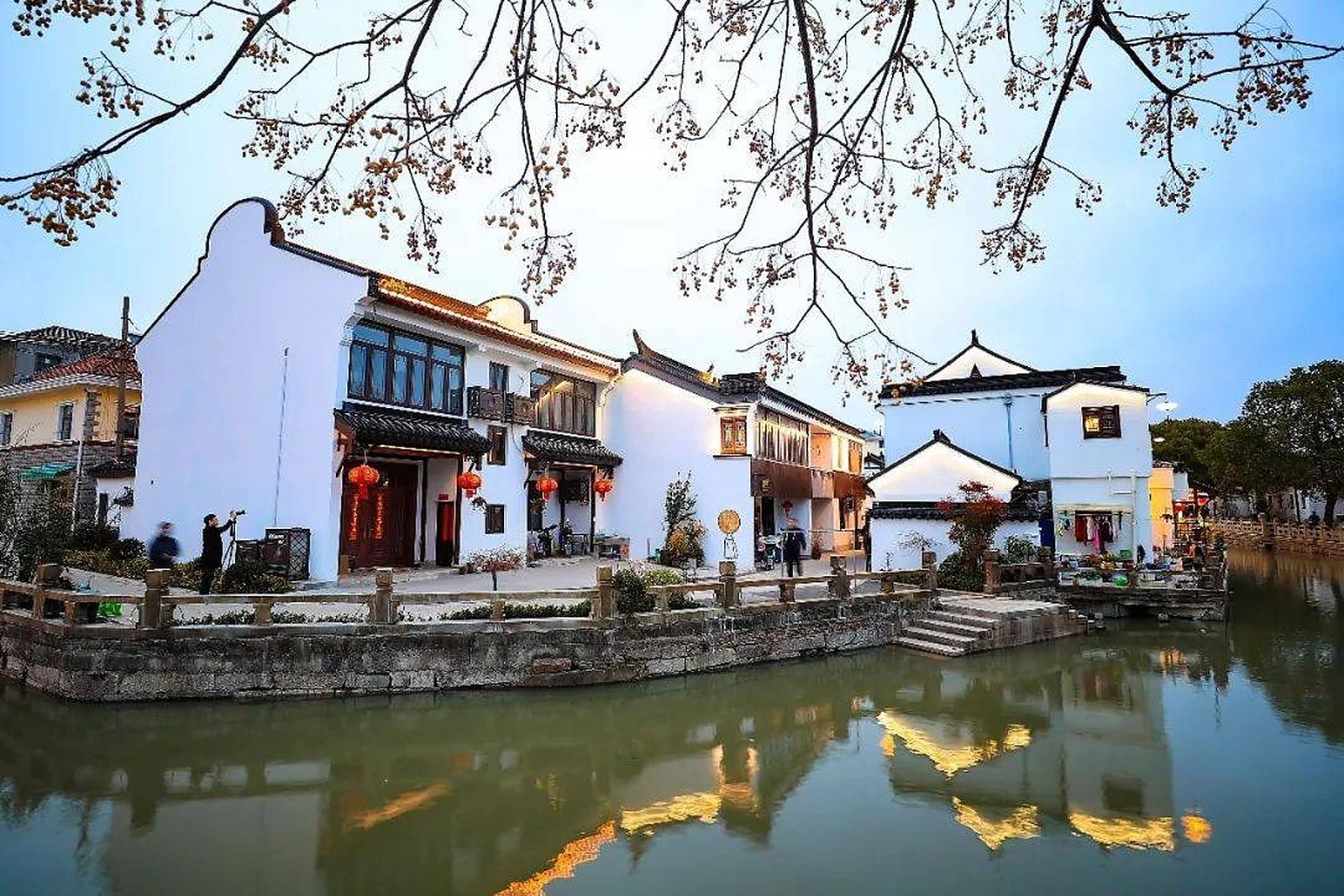
Two crowds keep the teahouses afloat: weekend cyclists on the country-road loops who stop for tea and 老八样 lǎobāyàng the eight-dish banquet, and Shanghai photographers and slow-travel devotees who rank this among the last unrenovated old streets inside the municipality (worth confirming the details for the teahouse hours, which follow the town’s own rhythm rather than any tourist timetable). The stock answer in kind: a street that is genuinely old rather than recently oldened, canal reflections between whitewash and tile, and a mutton tradition – 伏羊 fúyáng, summer-solstice mutton with liquor – strong enough that the town eats its signature dish in August heat.
Call it honestly: Zhuanghang offers almost no attractions in the checklist sense, and travellers who arrive expecting 朱家角-style spectacles will circle the street in twenty minutes and drive home baffled (worth confirming your lunch plans before you come, because the street’s real business is eating, and the kitchens keep village hours). What the map repays is exactly that emptiness: an old street where the washing is the residents’, the tea is poured for regulars, and the canal-side evening light arrives without a single selfie stick to interrupt it. Against that: the street is free, the 老八样 kitchens are the honest reason to come, and pairing the slow morning with the drive onward to the coast or the forest parks fills a full rural day. The honest verdict: Zhuanghang is for the traveller already sated with famous water towns – the one you visit to remember what they all looked like before the crowds.
Practicalities
Nearly everything else on this Fengxian list trades a different mood on the same map: choose 碧海金沙 Bìhǎi Jīnshā Bihai Jinsha for the diked blue-water beach, 海湾国家森林公园 Hǎiwān Guójiā Sēnlín Gōngyuán Haiwan National Forest Park for the woods, 上海之鱼 Shànghǎi zhī Yú the Shanghai Fish for the new-city lake and 奉贤博物馆 Fèngxián Bówùguǎn Fengxian Museum for the galleries on the water – four more doors into the same 奉贤区 Fèngxián Qū Fengxian District. Once the day is planned, our Fengxian food map fills the eating hours.
Practicalities
Words and Names
flowcloud would say that a Zhuanghang day is bought for the street and the kitchen – canal-tea morning to mutton-supper evening in the October 2026 snapshot, all worth confirming the details – and that the honest move is to come hungry and unhurried, because the street’s whole gift is time, keep the teahouse hour and the 老八样 table as the plan, and let the country bus carry you back before dusk. All checked October 2026.
Getting there: Buses from 南桥 Nánqiáo Nanqiao town centre reach 庄行 Zhuāngháng in half an hour or so (worth confirming the details for the country bus frequency, which thins after dusk); the 老街 lǎojiē old street runs along the canal past the old rice-husk shops. All checked October 2026.